
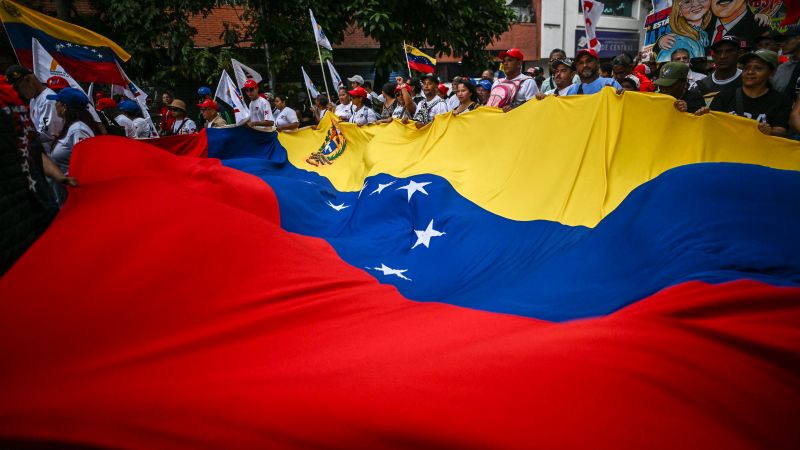
The CIA is quietly working to establish a permanent US presence on the ground in Venezuela, spearheading the Trump administration’s plans to exert its newfound influence over the country’s future, according to multiple sources familiar with the planning.
Planning discussions between the CIA and State Department have centered around what the US footprint inside Venezuela will look like, both in the short and long term, after the dramatic capture of former President Nicolás Maduro earlier this month.
While the State Department will serve as the primary, long-term US diplomatic presence in the country, the Trump administration will likely lean heavily on the CIA to initiate that re-entry process due to the ongoing political transition and unstable security situation in Venezuela post-Maduro, the sources added.
“State plants the flag but CIA is really the influence,” one source familiar with the planning process told CNN, noting the agency’s near-term objectives include setting the stage for diplomatic efforts – including relationship building with locals – and providing security.
In the short term, US officials may operate out of a CIA annex, prior to the opening of an official embassy, allowing them to start making informal contact with members of different factions of Venezuela’s government as well as opposition figures and target third parties who may be threats, the source said, drawing a parallel to the agency’s work in Ukraine.
“Setting up an annex is priority number one. Before diplomatic channels the annex can help set up liaison channels, that will be with the Venezuelan intelligence and that will allow conversations that diplomats cannot have,” said a former US government official who engaged with the Venezuelans.
The CIA declined to comment.
The US has routinely sent CIA directors or top intelligence officials to have sensitive meetings with world leaders to discuss sensitive matters that are based on US intelligence collection. CIA Director John Ratcliffe was the first senior Trump official to visit Venezuela after the Maduro operation, meeting with interim President Delcy Rodríguez and military leaders there earlier this month.
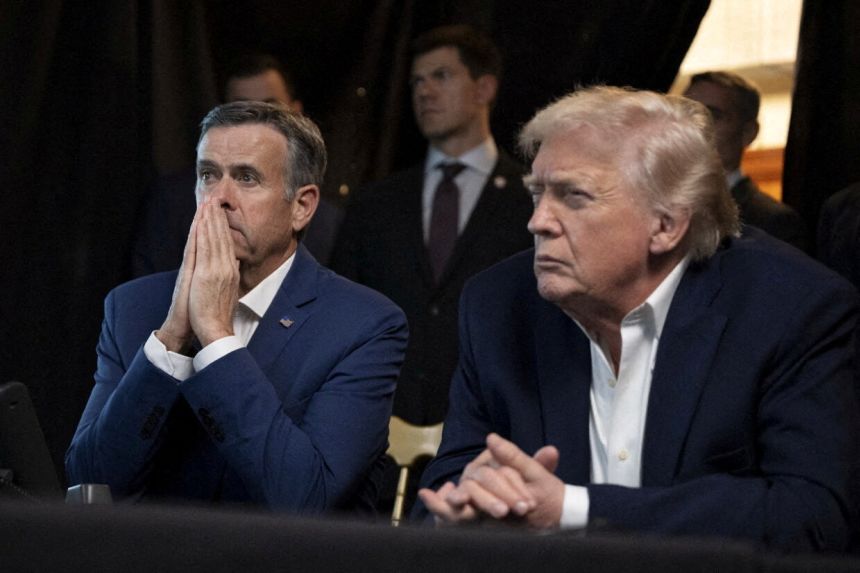
Part of Ratcliffe’s message to the new leadership during his trip: Venezuela can no longer be a safe haven for America’s adversaries.
The CIA will likely be responsible for briefing Venezuelan officials on relevant US intelligence related to those adversaries, including China, Russia and Iran, according to another source familiar with ongoing planning discussions.
“If you are going to brief Venezuela on concerns about China, Russia and Iran it would not be the State Department doing that. DNI (Office of the Director of National Intelligence) would have to decide what to declassify to share, and then intelligence agents would do the briefing,” the former official said.
CIA officers were on the ground in Venezuela in the months leading up to the operation targeting Maduro. In August, the agency had covertly installed a small team inside the country to track Maduro’s patterns, locations and movements, which helped bolster the operation earlier this month, sources familiar with the plans said.
The assets included a CIA source operating within the Venezuelan government who assisted the United States with tracking Maduro’s location and movements ahead of his capture, a source briefed on the operation previously told CNN.
The administration’s policy decision to back Rodríguez over opposition leader Maria Machado was also informed by a classified CIA analysis on the impact of Maduro no longer being president and near-term implications of his potential removal, CNN reported.
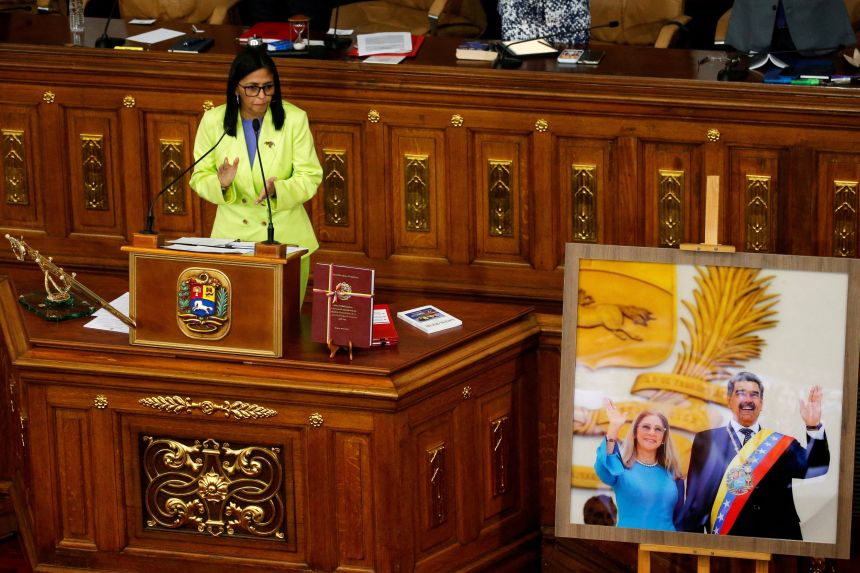
The tightly held intelligence product was commissioned by senior policymakers, and the CIA was expected to continue providing similar recommendations on the leadership situation in Venezuela going forward, multiple sources previously told CNN.
In the aftermath of Maduro’s capture, the CIA is now turning its focus toward quietly wielding US influence from inside Venezuela’s borders and assessing the performance of the new leadership it helped install.
But US officials engaged in early planning discussions are still waiting for the White House to clearly articulate its broader mission goals, sources said, despite President Donald Trump’s claim that his administration would “run” the country after capturing Maduro.
“That makes it harder,” the first source familiar acknowledged, adding that US officials are planning to establish a presence inside Venezuela and expect to layer in the actual objective later.
As a result, the Trump administration’s long-term plans for Venezuela remain murky, including its timeline for reopening the US embassy in Caracas.
The US withdrew its diplomats and suspended operations at the embassy in Caracas in 2019. The Venezuela Affairs Unit has been operating with a team of US diplomats at the embassy in Bogota.
Last week, the State Department announced it had tapped veteran diplomat Laura Dogu to lead the Venezuela Affairs Unit. The post had previously been led by the acting US ambassador to Colombia John McNamara.
A senior State Department official said the administration’s plan for Venezuela “requires a full-time Chargé d’Affaires at the Venezuela Affairs Unit” and that “Dogu is the well-positioned to lead the team during this transition period.”
While the State Department has identified some specific foreign service officers they plan to send back to Venezuela, officials involved in the planning discussions told CNN that they have not received any cohesive plans or direction from top administration officials or the White House.
The department has begun taking initial steps towards reopening the embassy.
In early January, shortly after Maduro’s ouster, it dispatched a team of diplomatic and security personnel from the Venezuela Affairs Unit to the embassy in the Venezuelan capital “to conduct an initial assessment for a potential phased resumption of operations.”
A senior State Department official said Monday that “a limited number of US diplomatic and technical personnel are in Caracas conducting initial assessments for a potential phased resumption of operations.”
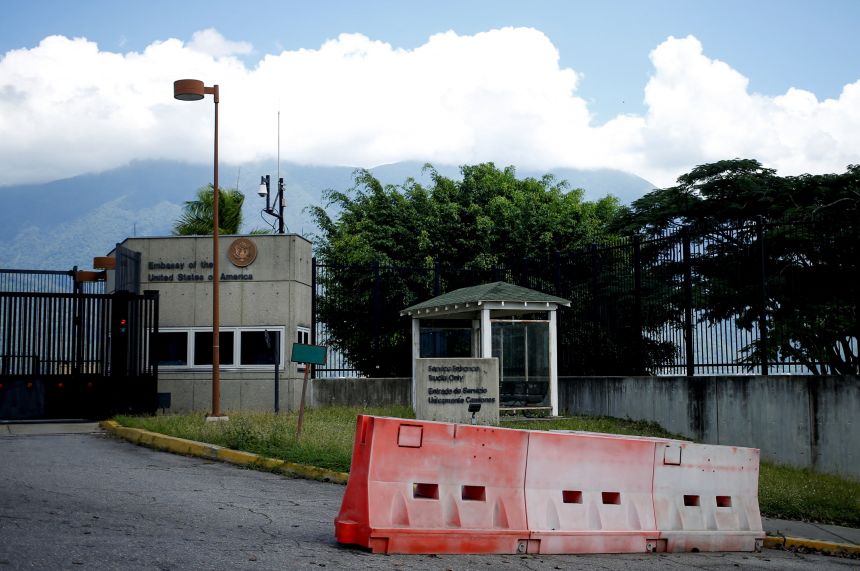
There had been local personnel tasked with guarding the building in Caracas during the diplomatic absence, another source familiar with the matter noted, but this does not mean the building will be in suitable shape to quickly resume operations.
The visits underscore the administration’s desire to re-establish a diplomatic presence in the country that Trump has said the United States is going to “run.”
Former diplomats said that a lack of US presence on the ground would pose a challenge to rebuilding and ensuring accountability in Venezuela. Trump has said he wants to see US oil companies reopen their operations in the country and help with its rebuilding. He said last week that the US was “asked” to reopen the embassy but did not provide further details.
The security situation in Venezuela also remains uncertain and could impact the Trump administration’s plans. Foreign service officers are typically not trained to protect themselves, which is one reason the CIA expects to take on a sizeable role early on as Venezuela remains in a state of political transition.
It remains to be seen how the Venezuelan people will respond to a more overt CIA presence in the country post-Maduro. For years, Maduro cast the CIA as a convenient boogey man, repeatedly accusing the agency – without evidence – of attempting to topple his regime as he clung to power despite US opposition.
Now, the CIA has helped supplant Maduro and is poised to help actively manage the Trump administration’s dealings with Venezuela’s new leadership.