
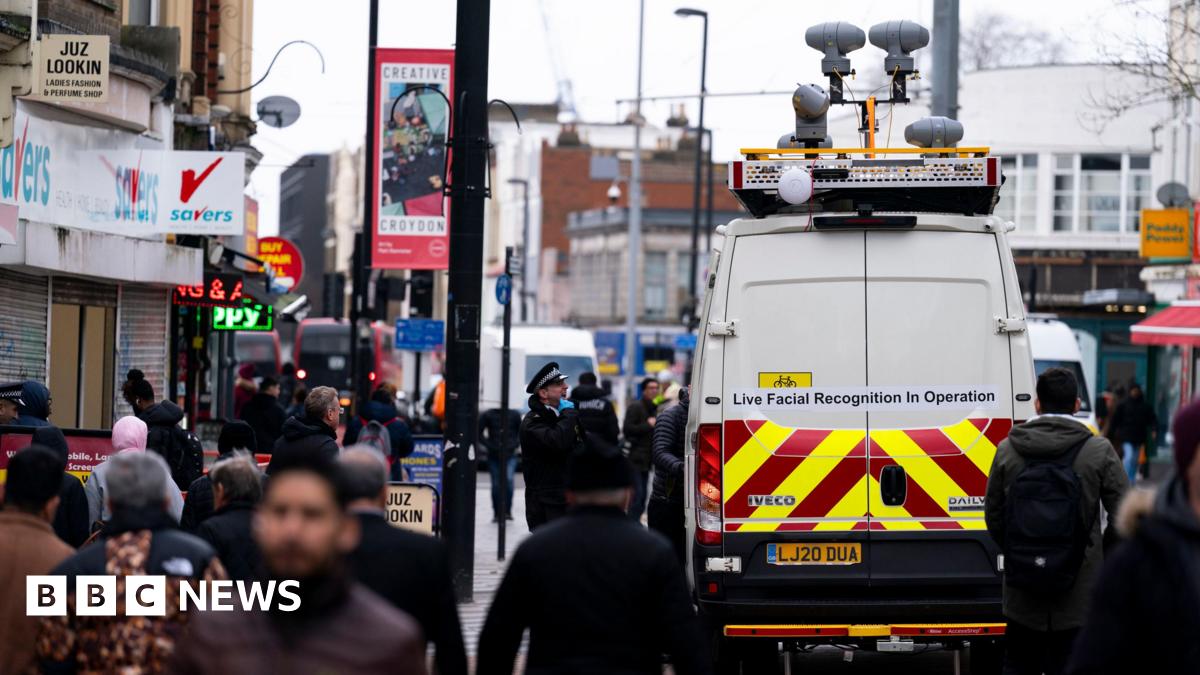
Squires described facial recognition as “similar to a DNA profile”, converting facial features into coded data which is checked against a watchlist.
He noted that the Met announced earlier this year that the first permanent cameras would be installed on buildings and lampposts in Croydon.
Squires warned that without limits on where LFR could be used “it will be impossible for people to travel across London without their biometric data being taken and processed”.
Representing the Met, Anya Proops KC said officers were searching for “literally thousands” of wanted individuals in London.
She said locating them is “akin to looking for stray needles in an enormous, exceptionally dense haystack” and argued that LFR enabled police to identify people who would otherwise go undetected.
Proops said officers made 801 arrests in 2025 “specifically as a result of LFR” and insisted that intrusion on the public’s privacy was “only minimal”. Data from people not on a watchlist was deleted “a fraction of a second” after creation, she added.
The hearing, before Lord Justice Holgate and Mrs Justice Farbey, is due to conclude on Wednesday.
A judgement will be handed down at a later date.