
What to know
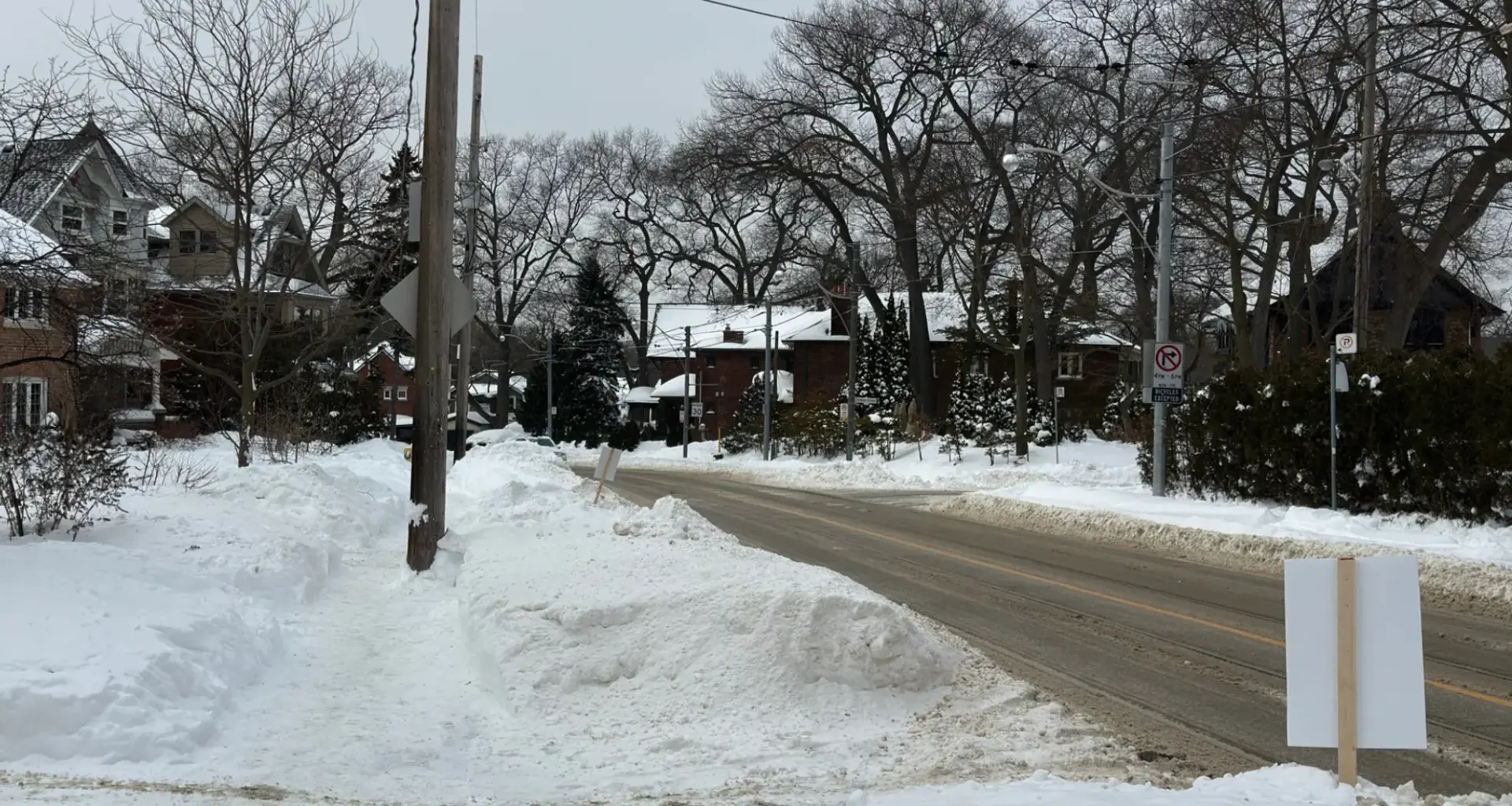
Howard Park Avenue residents say being designated a snow route leaves them with no legal place to park during snowstorms, forcing them to risk fines or park far from home.
Residents hold permits that only allow parking on Howard Park Avenue, meaning they can be ticketed both on their own street and on nearby streets during major snow events.
One resident says the situation has caused financial strain, stress, and disruption to daily life, with some residents already receiving tickets this winter.
Residents have launched a petition calling on the City of Toronto to provide temporary parking exemptions or permit adjustments during snowstorms, while the city says it is not considering exemptions at this time.
Residents of Howard Park Avenue say they have nowhere to park during snowstorms because the street is a designated snow route, and they’re calling on the city to make changes to avoid hefty fines.
Lucas Silva, a resident of Howard Park Avenue, says the stretch between Dundas Street West and Parkside Drive became a designated snow route in 2025. Since then, he says residents have struggled to find anywhere to park during snowstorms and extreme winter weather responses, facing fines if they block snow removal operations or emergency vehicles.
Read More
Silva says residents hold a special parking permit, identified by numbers only, that allows them to park exclusively on Howard Park Avenue. Parking elsewhere, he says, can result in additional fines, leaving residents with no viable options during snow events.
“If we park on our street, it’s a $100 ticket, and if you park nearby, we also get a ticket, like $45,” Silva said to Now Toronto. “No matter where we park, we get a ticket.”
In recent weeks, Toronto has been hit by two snowstorms. Sunday’s storm brought a historic 60 centimetres of snow to the region in one day. Silva says residents have already received parking tickets as a result of these events.
According to the City of Toronto, vehicles parked on snow routes during a Major Snow Condition can face a $500 fine or be towed.
As a result, Silva says he now parks his car at a friend’s home downtown and then takes an Uber or the TTC back to his home.
“See how much time I’m wasting in the day? And how much extra money I’m [spending], I cannot afford this anymore,” he said.
Silva, who already received a ticket in February of last year, says the situation has taken a toll on him.
“I cannot concentrate on my work anymore, because when I leave my work, I have to think, ‘Oh, where am I gonna leave my car?,’” he said.
Silva, along with other residents and neighbours, recently launched a petition calling on the city to allow Howard Park Avenue residents temporary permission to park on neighbouring streets during snowstorms.
The petition also calls for exemptions or accommodations during major weather events and adjustments to permit classifications to ensure equitable access to nearby street parking.
“We support snowclearing 100 per cent, but give us options to park in another street without getting penalized,” Silva said.
Silva says residents have reached out to the city regarding the issue and are often told to park on side streets. However, when residents explain that they legally cannot due to permit restrictions, Silva says they are told there is nothing the city can do.
In a statement to Now Toronto, the City of Toronto says Howard Park Avenue is designated as a snow route because it is a streetcar route. The city adds that permit holders can still park on any street within their permit area that is signed for permit parking, except on snow routes or where temporary snow-removal signs are posted.
“While the City recognizes this can limit parking options during major storms, keeping snow routes clear is essential for safe and effective winter operations,” the city said.
The city says it is not currently considering temporary exemptions but continues to review winter operations annually.