
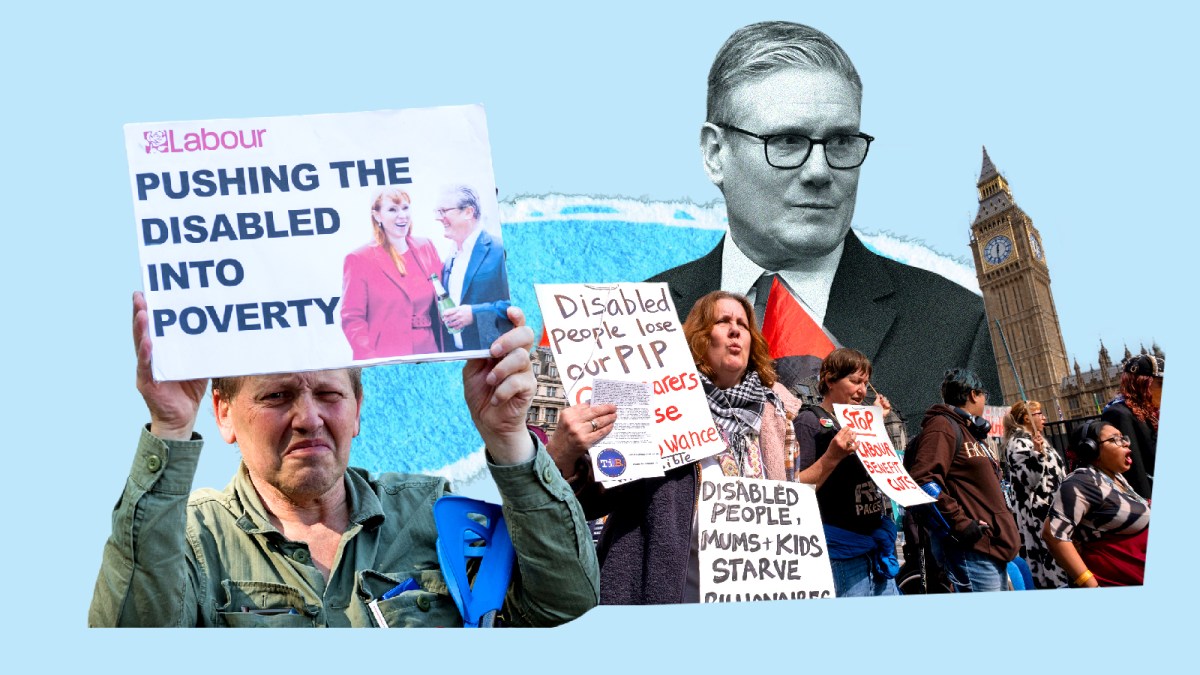
Sir Keir Starmer has vetoed plans for a fresh attempt to reform Britain’s welfare system as Downing Street seeks to avoid another confrontation with Labour MPs.
The Department of Work and Pensions (DWP) has been told it will not be given time in parliament to introduce any new changes to the benefits system until next year at the earliest.
The decision makes it less likely that any controversial reforms to the welfare system will be implemented before the next general election due in 2029.
Two major reviews into the welfare state which ministers hope will eventually bring down the cost of the benefits bill are due to report this year but both are expected to require legislation to implement.
A review into disability benefits, launched after an attempt to make £5 billion of savings was thwarted by a Labour rebellion, is due in the autumn. Meanwhile Alan Milburn, the government’s work tsar, is looking at how changes to the benefits system could reduce the number of young people not in employment, education or training.
• Anxious young Britons ‘risk becoming lost generation on benefits’
Another proposal to be shelved is a plan for “unemployment insurance” which was announced as part of a package of welfare reforms last March. This would have seen people just leaving work receive higher benefits payouts but reduce some payments over the long term for those with health conditions.
Downing Street is drawing up plans for the King’s Speech, due in May, which will set out the government’s legislative agenda for the next session of parliament that will run until mid 2027 at the earliest.
As part of the process every government department bids for time to introduce new laws that have to be approved by No 10.
The Times has been told that the DWP has so far been unsuccessful in its attempt to include its bills in the speech.
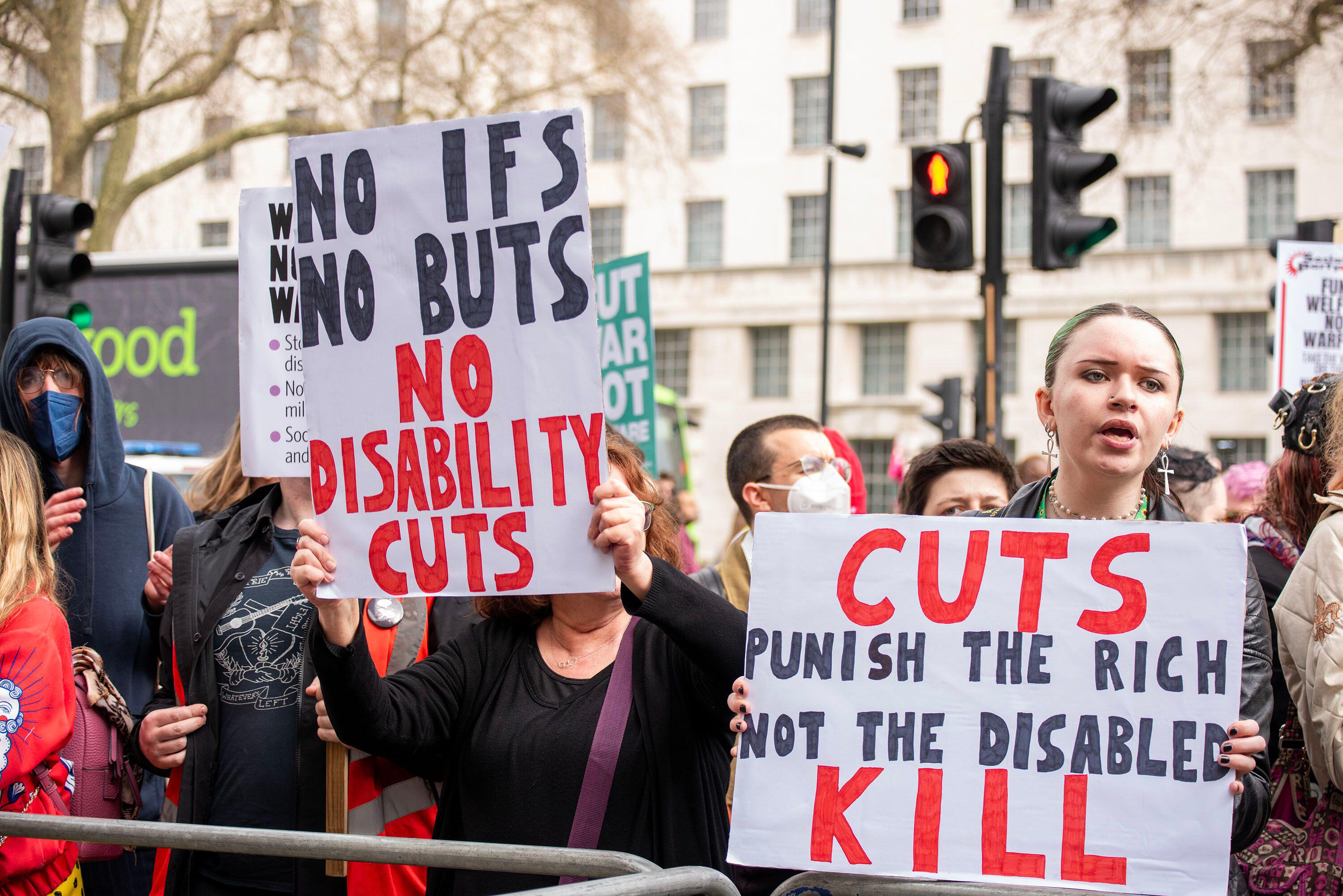
Attempts to reform welfare have been unpopular
ALAMY
Government sources stressed that discussion about legislation was still continuing, and that even if welfare reform was not included in the King’s Speech a bill could still be introduced at a later date in the session.
One minister said: “Clearly any welfare reform is going to be very difficult with the back benches, and the closer you get to a general election the less you want to do the difficult stuff.
“We’ve got to remember that largely the public wants to see welfare reform, and we do need to show delivery on that. This is not showing that reform is a priority.”
Another government source said: “The message it sends is a bit silly politically. The King’s Speech is not totally prescriptive, but it makes it seem like we are making no plans to change anything for a year.”
A source close to Pat McFadden, the work and pensions secretary, said it was “untrue to say we’re not reforming welfare in this parliament”.
• Keir Starmer approval rating: the opinion polls tracked
Joe Shalam, policy director at the Centre for Social Justice, said: “McFadden clearly grasps the importance of welfare reform to rebuild Britain’s broken economic model … but the closer we get to the next election without measures announced or legislated for, the harder real reform becomes.”
Sessions are not fixed in length but typically last for at least 12 months. The current session began on July 17, 2024, about two weeks after the general election.
Forecasts show the total cost of welfare payments rising by £35 billion in the next five years to reach £368 billion in today’s prices.
The rise means that by 2031 an average household will be paying £12,266 a year for the welfare system, almost £2,300 higher than in 2023.
Peter Fonagy, a professor of clinical psychology at University College London, has also been tasked with a review into the rapid rise of diagnoses for issues such as depression and anxiety and conditions such as ADHD and autism. The review is expected to conclude in the spring.
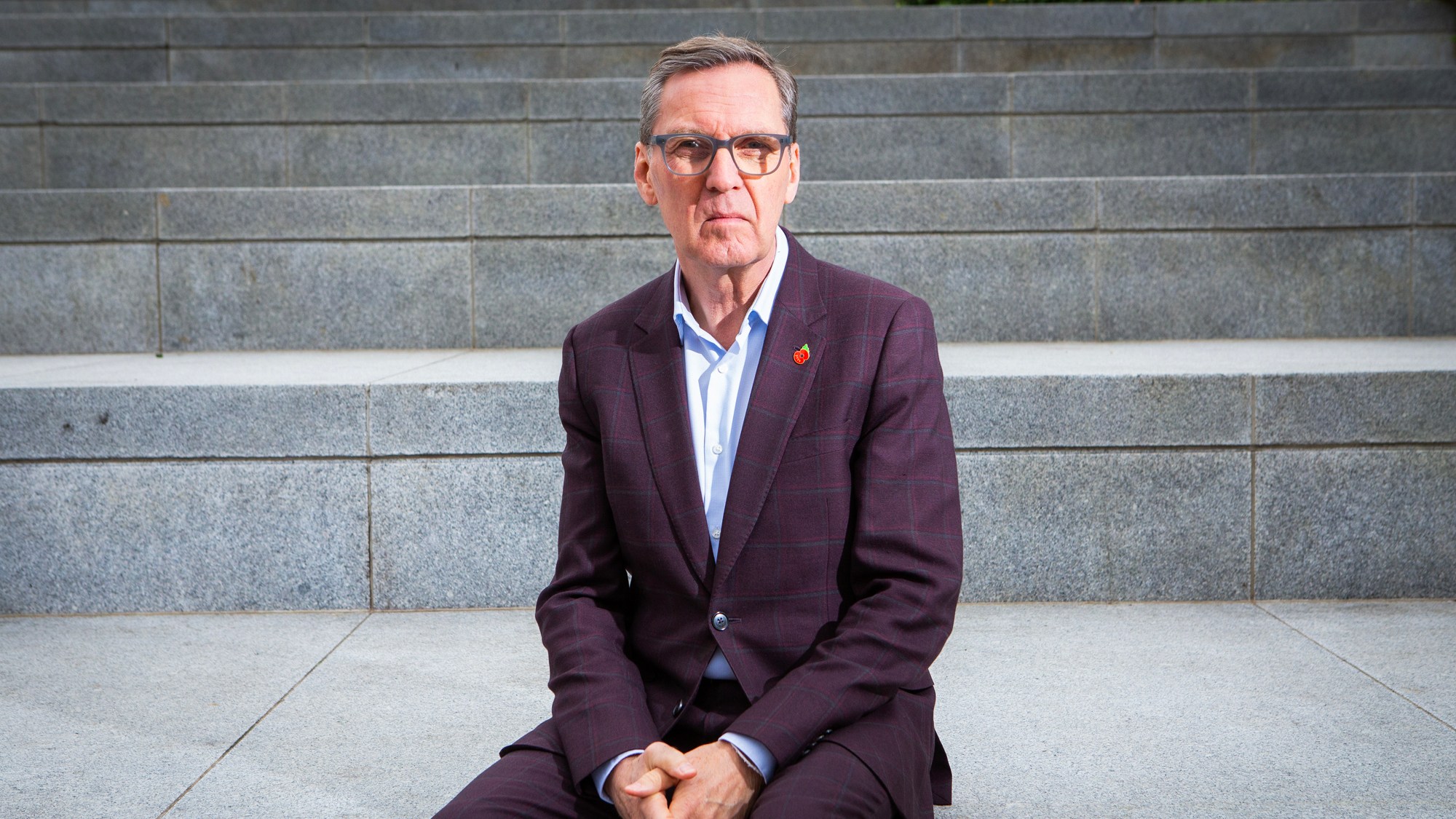
Alan Milburn
RACHEL ADAMS FOR THE TIMES
Milburn, the former health secretary, is expected to deliver a report with the “diagnosis” of why almost a million young people are out of work around March, and follow this with a full report with solutions in July.
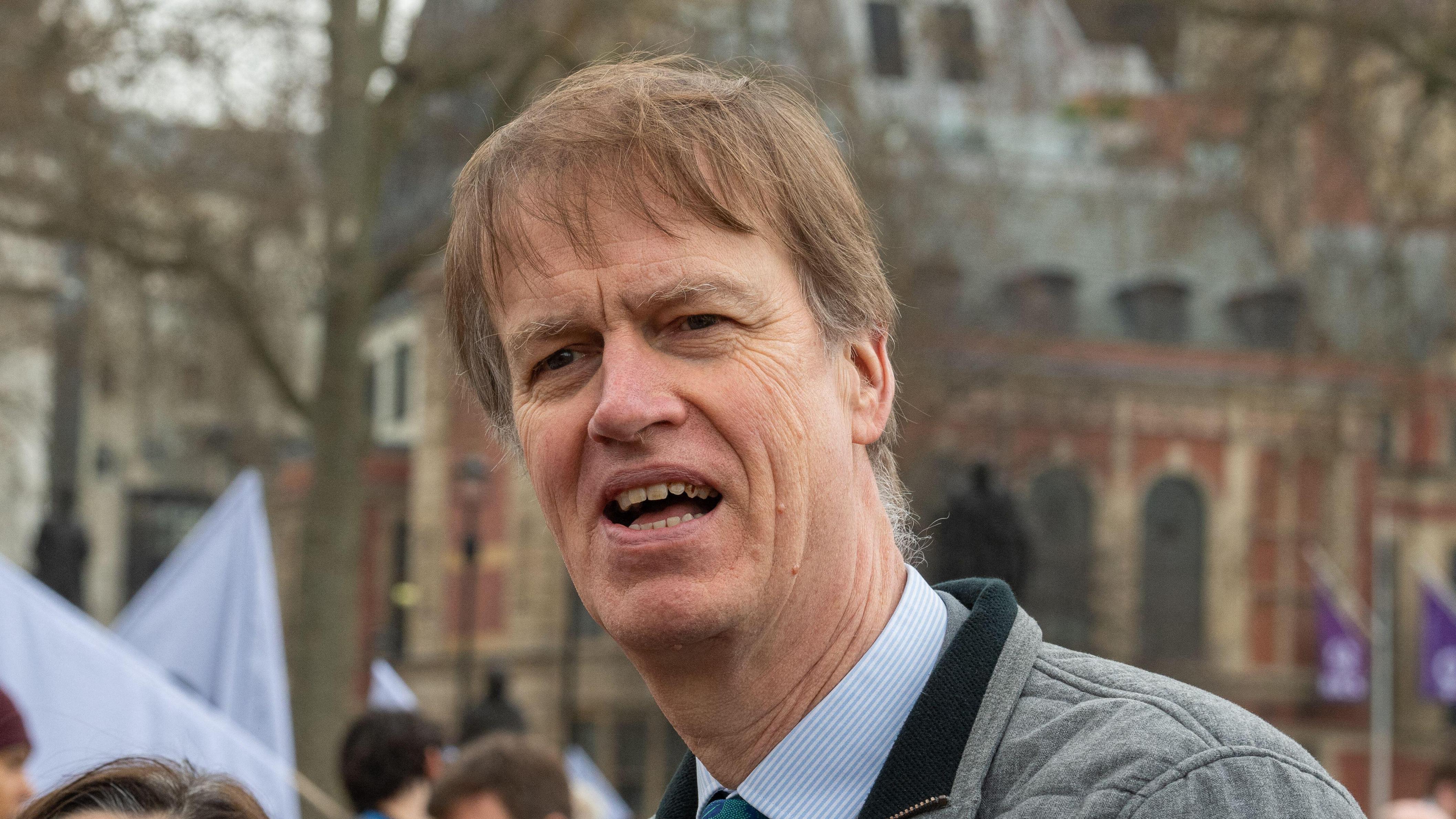
Sir Stephen Timms, the disability minister, is also compiling a report on how best to change personal independence payments (Pip). His review was set up after a rebellion by backbench Labour MPs last summer which forced the government to reverse a plan to make £5 billion of disability benefit cuts.
• Tribunal rulings blamed for ballooning welfare bill as support widened
Official forecasts show that the decade between the pandemic and 2030 will see Pip claims increase by about three million to a total of 5.4 million people, the equivalent of adding 836 successful claims a day for ten years.
The Timms review’s terms of reference force it to operate within existing projections for spending on disability benefits, leading to scepticism that the changes will deliver savings.
The one surviving cut announced as part of reforms last summer, decreasing the payout for sickness added on top of the main out-of-work benefit, from £97 to £50 per week for new claimants, will come into force in April this year.
A Downing Street source insisted that Starmer could still bring in legislation to enact the Timms review in the next session adding that “we can’t bring forward a bill until we know what the review is going to say”.
• How many households give more than they take from the state?
A government spokesman said: “Final decisions on the contents of the King’s Speech have not been made.
“We’re already fixing the broken welfare system we inherited so we get Britain working, including through reforms to Universal Credit. We have commissioned Alan Milburn to look at how we can tackle the number of young people out of work and will set out further legislative plans in due course.”