
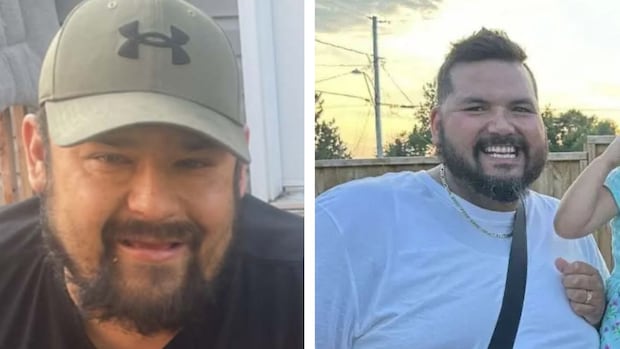
Chiefs in the Atlantic region are calling for an urgent meeting with federal ministers and RCMP officials following the fatal police shootings of two First Nations men within a week.
RCMP officers shot and killed Darrell Augustine, a Mi’kmaw man from Sipekne’katik First Nation in Nova Scotia on Jan. 13, and Bronson Paul, a Wolastoqew man from Neqotkuk First Nation in New Brunswick on Jan. 18.
“These tragic events have deeply affected families and communities and underscore the need for meaningful action,” the Atlantic chiefs wrote in a statement released last Thursday.
The chiefs held an emergency meeting last week, and released the statement through Atlantic Policy Congress, an advocacy organization representing First Nations groups in the region.
They are calling for discussions with senior leadership of the RCMP, including the commissioner and federal ministers, to identify concrete actions to prevent further deaths in First Nations communities.
According to Nova Scotia RCMP, on Jan. 13 around 8:30 a.m. officers were responding to a report of a man with a firearm in Sipekne’katik who threatened people inside a home and fled in a car.
Police say they pursued the car north of Halifax until it left the road and came to a stop. Officers then fired shots. RCMP said officers and paramedics attempted resuscitation but Augustine was pronounced dead at the scene.
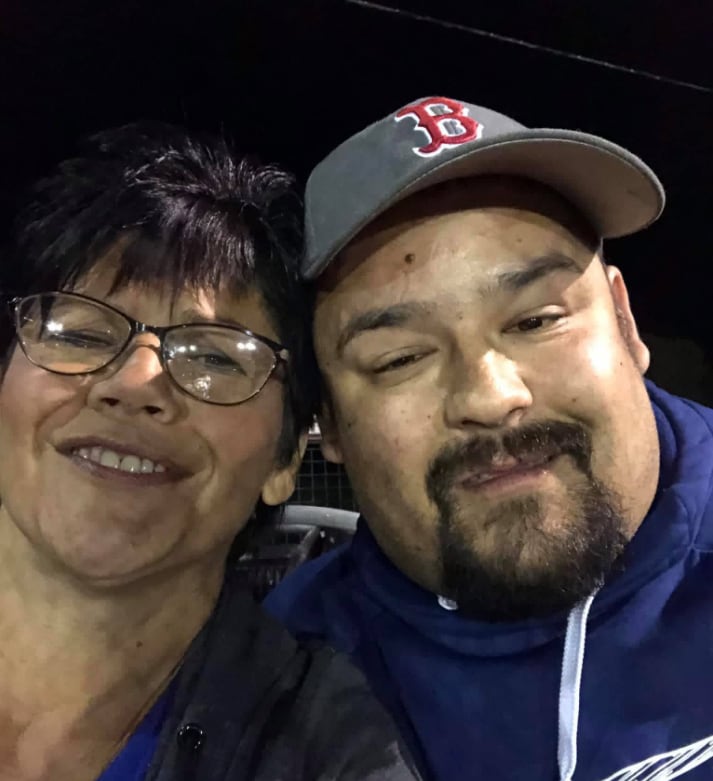 Doreen Paul pictured with her nephew and godson Bronson Paul, who was shot and killed by an RCMP officer. (Submitted by Doreen Paul)
According to New Brunswick RCMP, on Jan. 18 around 5 p.m., officers responded to a report of a domestic dispute at a home in Neqotkuk. RCMP say the situation “quickly evolved,” when a man armed with an “edged weapon” advanced toward the officers.
Police said a Taser was deployed but was ineffective, and an officer then fired their weapon. Paul was taken to the hospital, where he was pronounced dead.
Families in mourning
Rose Paul, a Mi’kmaw woman from Paqtnkek First Nation in Nova Scotia and Darrell Augustine’s aunt, said she loved him as if he were her own child.
“He wasn’t a violent man; he was a broken man,” she said.
“A grieving man.”
She said Augustine had lost his partner just three months earlier after a battle with cancer and was struggling with the loss.
“It should have been a mental health-focused and a de-escalation-based response,” said Rose Paul.
“There’s an overreliance on force in crisis situations.”
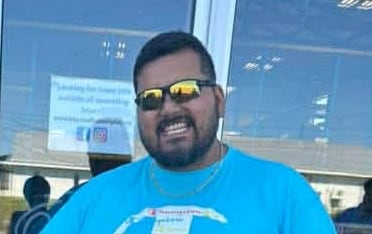 Darrell Augustine died in Nova Scotia after being shot by police. His aunt says she wishes there’d been a mental health-based approach focusing on de-escalation rather than force. (Submitted by Rose Paul)
She said she was pained to see how the RCMP communicated with the family in the aftermath of the shooting.
Rose Paul said the family was initially told Augustine was receiving treatment, then informed he had died. Hours later they were told he had been shot. She said the family learned many key details through media releases before being notified directly.
“There should be full transparency around the use of force and timely and direct communication with the family,” she said.
“They didn’t have that dignity.”
Rose Paul said she later learned Augustine’s car had crashed, a police dog had bitten him and he had been shot multiple times, raising questions about the level of force used.
She said Augustine’s family is in contact with Paul’s family and community members in Neqotkuk, who are also advocating for transparent investigations in the wake of the two deaths.
“We just want to make sure both of them get treated fairly and respectfully and their families get the justice they deserve,” said Rose Paul.
“Families are left now leaving trust to a process that doesn’t have any Indigenous oversight.”
Investigations underway
In response to requests for comment, local RCMP pointed to the public statements and said because the incidents are being investigated they wouldn’t comment further.
Both deaths are being investigated by the Serious Incident Response Team (SIRT) for Nova Scotia and New Brunswick, an independent police watchdog agency.
While SIRT is mandated to conduct independent investigations, its investigators are former police officers or those seconded from police services.
In their statement, Atlantic chiefs raised concerns about the lack of Indigenous representation in the process “and the resulting erosion of trust felt by families and communities.”
In a statement to CBC Indigenous, SIRT said it recognizes the importance of diversity and representation and has been working to understand how it can expand its team in this area.
SiRT said it has appointed community liaisons in both affected communities to help with communication and to provide cultural advice.
Meetings being planned
Nova Scotia MP Jaime Battiste, who is Mi’kmaw, said he delivered the chiefs’ statement to the ministers of Public Safety and Crown-Indigenous Relations.
“No Indigenous person, or any person across Canada should fear for their lives during a wellness check,” said Battiste.
Battiste said both ministers committed to facilitating meetings with the chiefs.
Public Safety Canada declined CBC Indigenous’ request for an interview, but said it had seen the letter and was planning a meeting in February.
CBC Indigenous reached out to the RCMP commissioner but no response was received by time of publishing.