
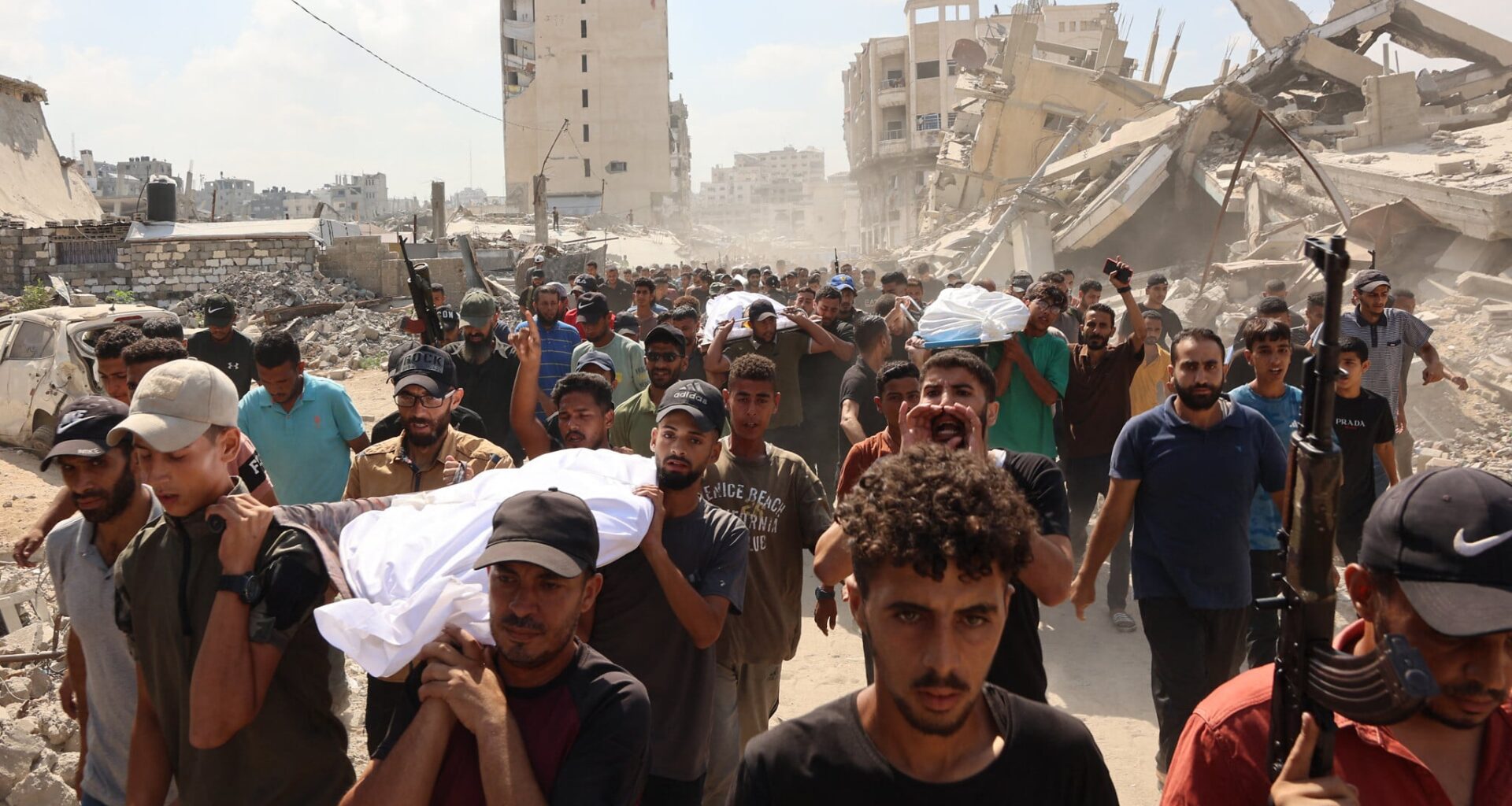
The Israel Defense Forces believes that the Hamas-run health ministry’s death toll from the war in the Gaza Strip has been largely accurate, a senior Israeli military official acknowledged on Thursday.
Briefing reporters on condition of anonymity, the official said that the IDF believes the Gaza death count from the two-plus-year war, sparked by Hamas’s October 7 onslaught, is around 70,000. The Gaza health ministry’s current death toll is 71,667, including over 450 killed since the October 2025 ceasefire.
The senior military official said the actual breakdown of the Gaza death toll is still under review, and it is unknown exactly how many of the dead are members of terror groups and how many people died directly as a result of the fighting.
Israel largely rejected death tolls claimed by Hamas’s health ministry during the war, especially following specific incidents in which the terror group announced what Israeli officials called “exaggerated tolls.”
According to the military official, the toll does not include bodies believed to be buried under the rubble in Gaza, which Hamas estimates at around 10,000.
Get The Times of Israel’s Daily Edition
by email and never miss our top stories
By signing up, you agree to the terms
The Gaza ministry also claims that at least 440 Palestinians died of malnutrition and starvation in the Strip during the war. Israel denies this, with the military official claiming that these statistics are manipulated by Hamas to include individuals with underlying severe health issues.
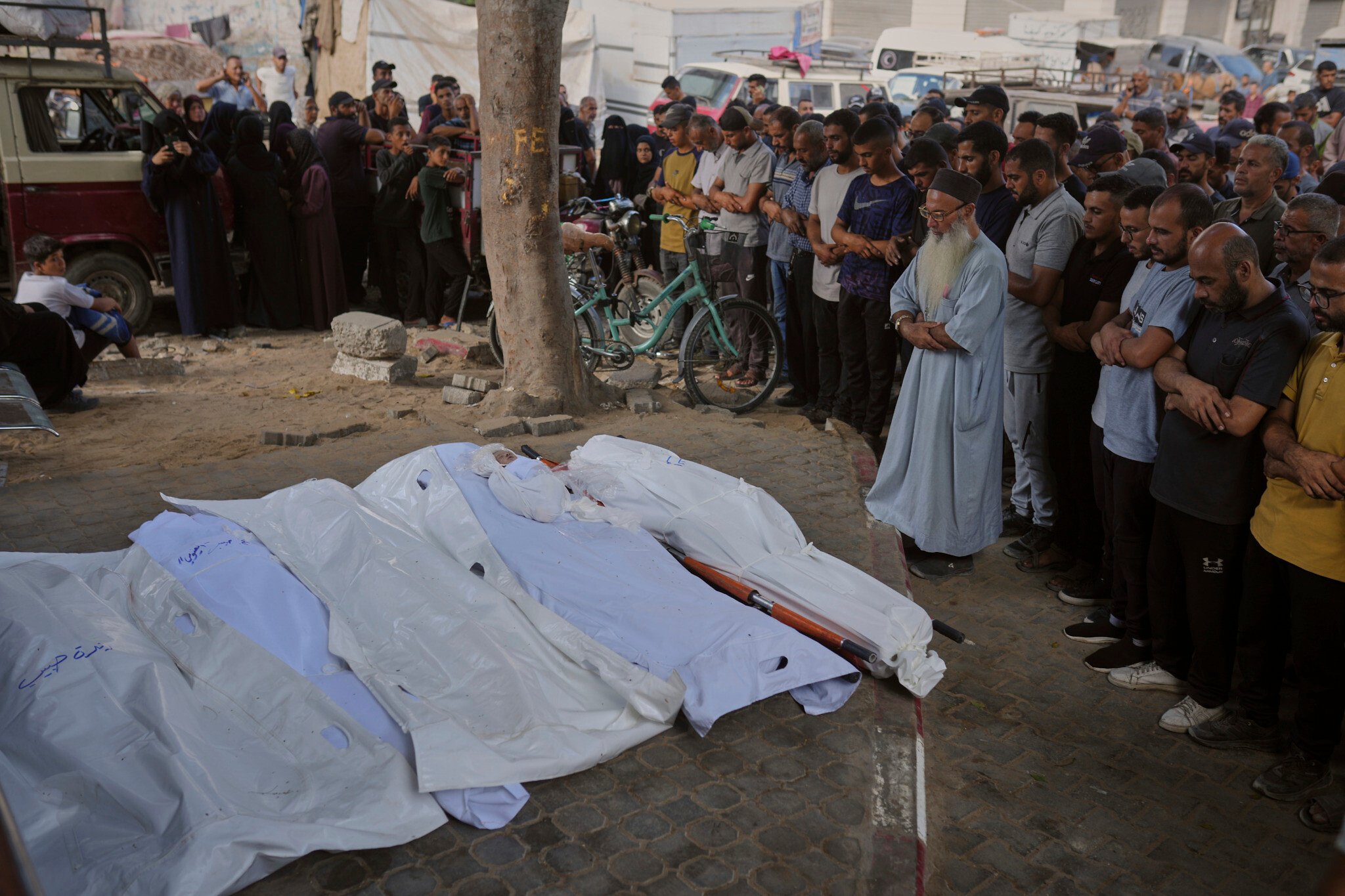
Palestinians mourn over the bodies of people reported killed in an Israeli army strike, during their funeral outside Shifa Hospital in Gaza City, Thursday, Sept. 4, 2025. (AP Photo/Jehad Alshrafi)
The Gaza health ministry’s records include the names and IDs of over 90 percent of the bodies found. They do not differentiate between civilians and combatants.
Israel never refuted the Hamas health ministry’s data with its own exact figures, instead periodically offering rough ratios of civilians to combatants killed, insisting that the ratio was far lower than in other urban warfare conflicts.
During previous wars, however, Israeli security agencies found the Hamas-run health ministry’s total death counts to be reliable.
Before the October 2025 ceasefire, the IDF said it had killed at least 22,000 combatants, as well as another 1,600 terrorists inside Israel during the October 7 onslaught.
IDF officials also previously said that the combatant-to-civilian death ratio remained relatively the same throughout the war, with two to three civilians killed for every dead terror operative.
Israel has said it seeks to minimize civilian fatalities and stresses that Hamas uses Gaza’s civilians as human shields, fighting from civilian areas, including homes, hospitals, schools, and mosques.
Is accurate Israel coverage important to you?
If so, we have a request.
Every day during the past two years of war and rising global anti-Zionism and antisemitism, our journalists kept you abreast of the most important developments that merit your attention. Millions of people rely on ToI for fact-based coverage of Israel and the Jewish world.
We care about Israel – and we know you do too. So we have an ask for this new year of 2026: express your values by joining The Times of Israel Community, an exclusive group for readers like you who appreciate and financially support our work.
Already a member? Sign in to stop seeing this
You appreciate our journalism

You clearly find our careful reporting valuable, in a time when facts are often distorted and news coverage often lacks context.
Your support is essential to continue our work. We want to continue delivering the professional journalism you value, even as the demands on our newsroom have grown dramatically since October 7.
So today, please consider joining our reader support group, The Times of Israel Community. For as little as $6 a month you’ll become our partners while enjoying The Times of Israel AD-FREE, as well as accessing exclusive content available only to Times of Israel Community members.
Thank you,
David Horovitz, Founding Editor of The Times of Israel