
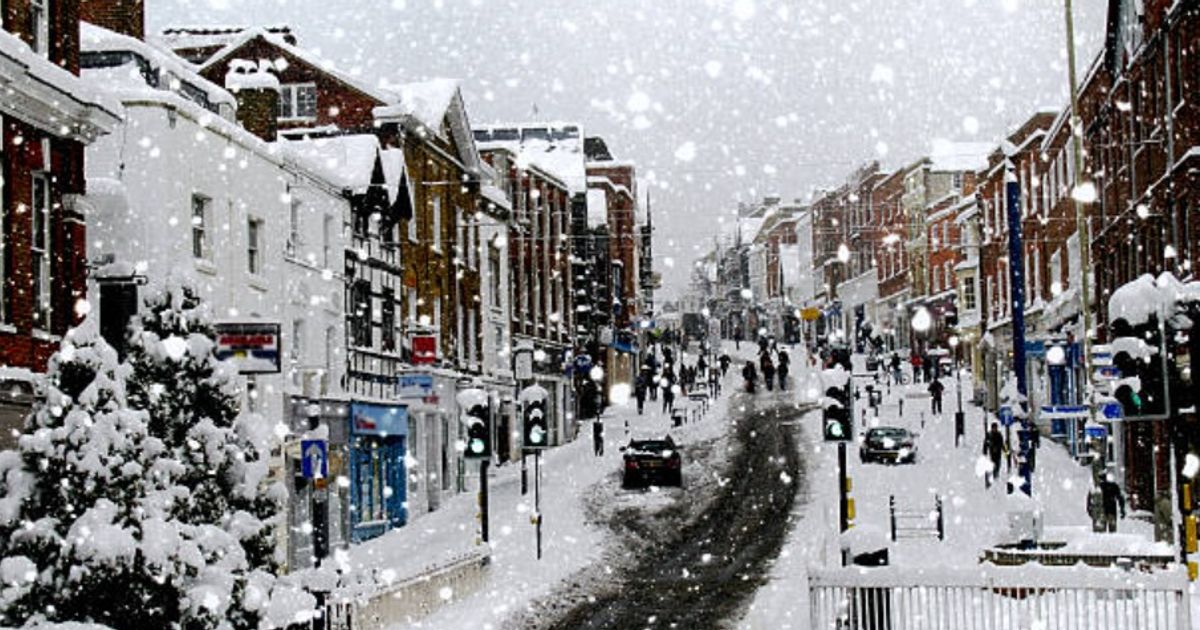
The Met Office has issued a forecast detailing snow is likely to fall in swathes of the country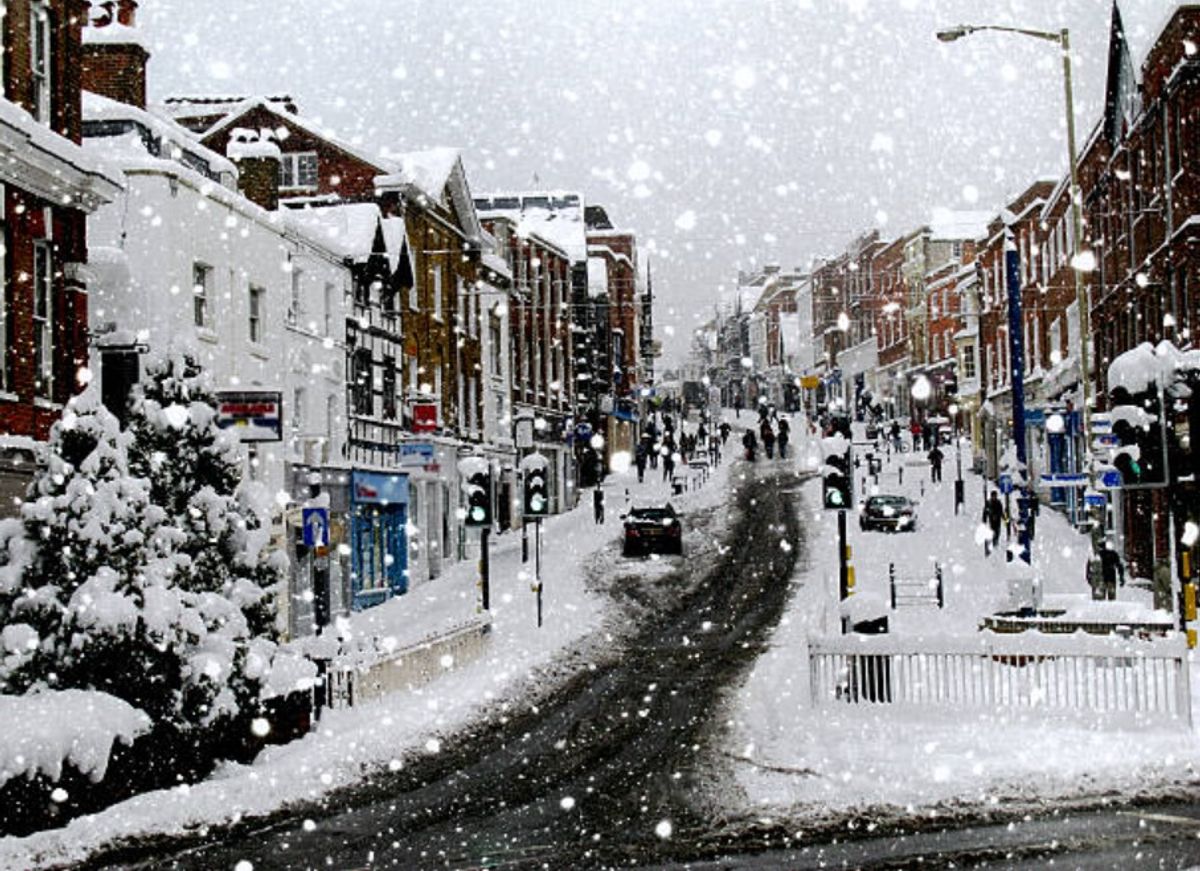
Met Office names all the UK areas set for snow on Friday – full list
The Met Office has named all the UK areas that face snow on Friday. The Met Office has issued a forecast detailing snow is likely to fall in swathes of the country, with wintry precipitation likely on Friday, January 30.
The Met Office says further areas of low pressure will continue to track eastwards across the Atlantic through this week. The Met Office said these systems are set to slow as they encounter a blocking area of high pressure over eastern Europe.
It could result “in additional spells of rain, particularly in the southwest, as well as hill snow across parts of northeast Scotland,” the Met Office said. Forecasters at the Met Office have identified the areas facing snow.
READ MORE Petrol and diesel cars set to vanish from UK roads with drivers warned
The list of areas includes:
The Met Office said: “Tonight, low cloud and fog will redevelop across many central and eastern areas, accompanied by patchy rain and some hill snow in northeast Scotland.
“It will be breezy in the southwest with scattered showers, while clearer intervals elsewhere may allow frost to form.”
Matthew Lehnert, Chief Meteorologist at the Met Office said: “On Thursday, showers in southwest England will be replaced by a more organised area of rain when the next system reaches the south of Cornwall around Thursday lunchtime.
“There’s a Yellow Warning for rain in place from noon until Friday morning, with the focus for heavier rain across southwest England as the wet conditions spread northeast across the warning area.
“The rain is only likely to last for a few hours in each location but will be heavy at times. 10 to 15 mm is likely quite widely, but in some areas, particularly towards the south coast, a further 20 to 25 mm is possible.
“This rain will fall onto already saturated ground, compounding the impacts of Storm Chandra, so we’re encouraging people to stay up to date with the latest forecast and follow any advice from the emergency services and local authorities.”