
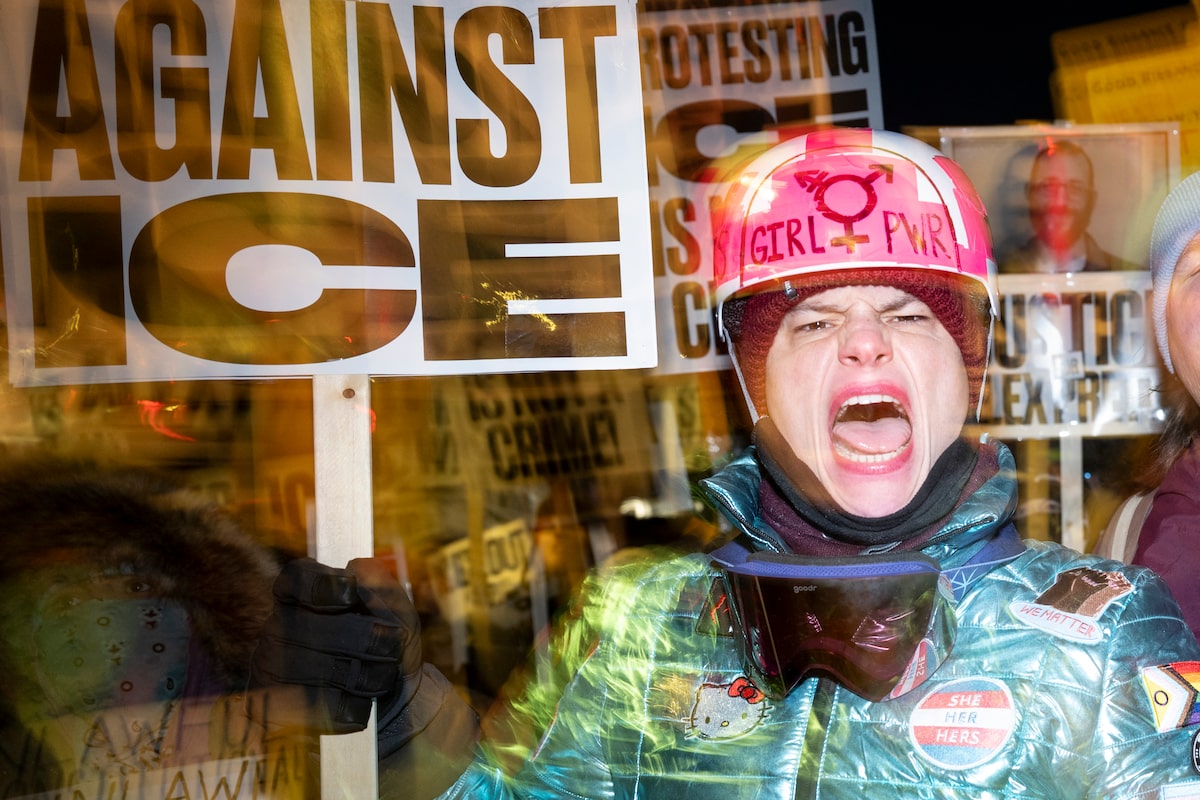
Shortly after 8 a.m. last Sunday, an alert went out over neighbourhood group chats in Minneapolis: Federal agents were preparing to raid an apartment building just north of the downtown.
Tai Prescott, a 29-year-old engineer for a medical device company, sprang into action. Mx. Prescott lives nearby and quickly drove to the scene.
They counted nine unmarked SUVs surrounding City View apartments, a three-storey brick walk-up spanning a city block, with a large Latino population. Out of the vehicles stepped officers from U.S. Border Patrol, Immigration and Customs Enforcement (ICE) and the Federal Bureau of Prisons – more than 20 agents in all.
Jan. 25’s raid on the City View apartment complex is one of many that federal agents have carried out in Minneapolis recently.Adam Gray/The Associated Press
Mx. Prescott and a handful of other observers began recording the scene on their phones and blowing whistles to alert residents to the officers’ presence.
One Bureau of Prisons agent in a tactical vest and ballistic helmet approached Mx. Prescott, holding a can of pepper spray.
“We are conducting a federal law enforcement investigation. If you continue to impede, you will be subject to arrest,” he said in a moment captured on video.
“How am I impeding?” Mx. Prescott responded. “By whistling?”
The scene played out less than 24 hours after a Border Patrol agent and a Customs and Border Protection officer gunned down Alex Pretti, who was observing another federal operation on the city’s south side.
But Mx. Prescott, recounting the moment afterward, was unbowed.
“I’ve had this conversation with friends: What are we willing to die for?” they told The Globe and Mail. “They can’t kill us all.”
More Minnesotans are carrying whistles – or donating them to others, as this volunteer is doing – to warn neighbours of federal immigration patrols in the area.Scott Olson/Getty Images
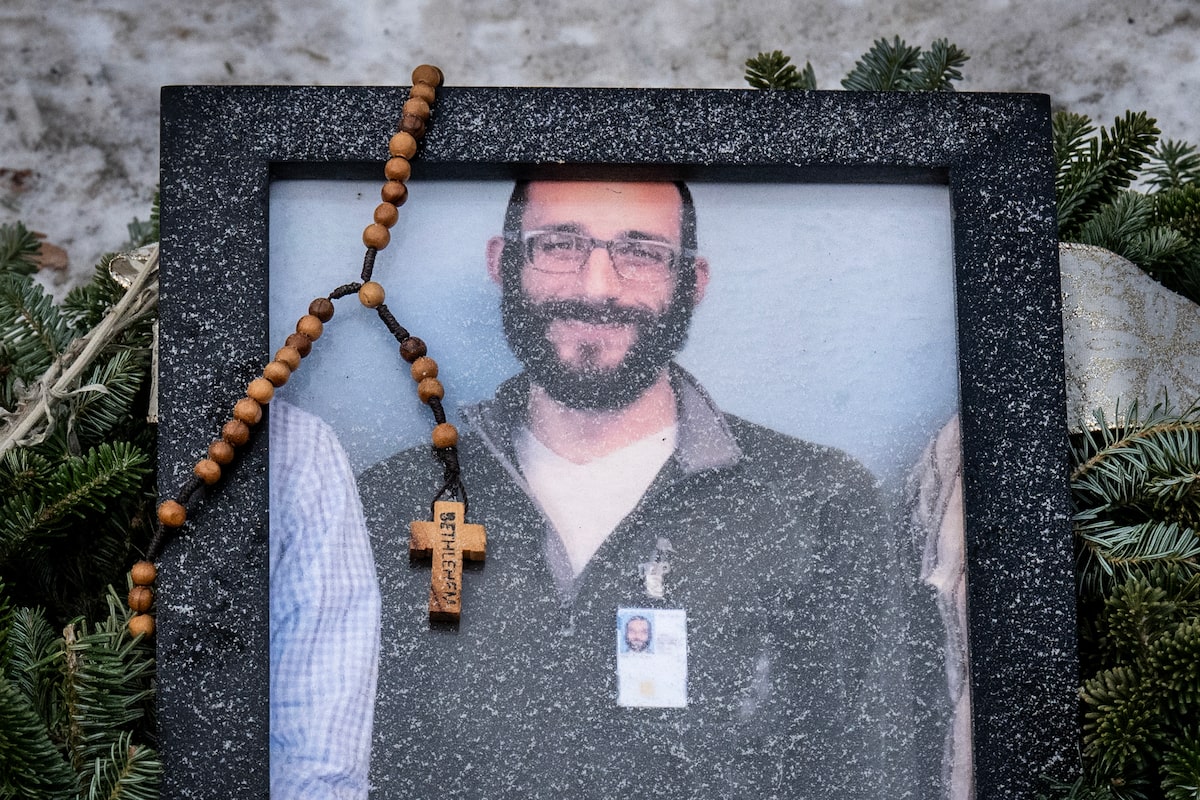
ICE’s killing of Alex Pretti – a nurse who came to the aid of a protester – has made many in Minneapolis angry, but also more aware that confronting officers can be deadly.
Roberto Schmidt/AFP via Getty Images
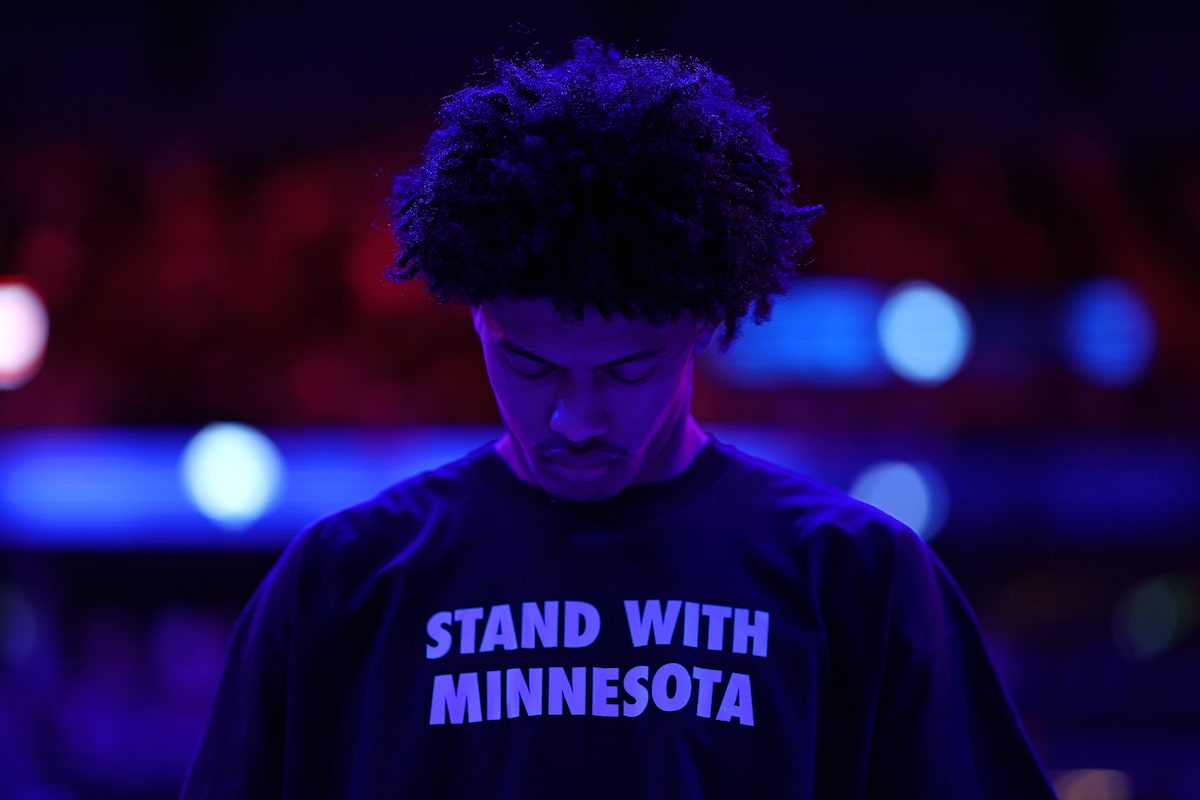
Minnesotans of all walks of life are growing more vocal in support of Minneapolis. The Timberwolves basketball team now wears ‘Stand with Minnesota’ T-shirts to pregame warm-ups.
David Berding/Getty Images
Since U.S. President Donald Trump launched Operation Metro Surge in December, ultimately dispatching 3,000 federal agents to Minnesota in the largest campaign of his immigration crackdown so far, people in the state have organized the most widespread and sustained resistance of his second term.
There have been several mass protests and two general strikes. There are multiple smaller protests every day, including nighttime “noise demonstrations” targeting hotels believed to be housing the federal agents.
And there is the operation that Mx. Prescott is part of, in which thousands of people track agents, witness and document immigration raids, and blow whistles, honk car horns and shout to let people know where the officers are.
Globe reporter Joe Friesen saw ICE’s tactics firsthand in Minneapolis this month, and got away from a tear-gas canister fired in his direction. Hear him speak about his reporting from the Twin Cities.
At least part of the ferocity of Minnesota’s opposition is a result of agents’ brutal tactics, which have included smashing up vehicles, repeatedly gassing protestors and observers, and going door-to-door in areas with large racialized populations, searching for people to arrest.
Far from being deterred by the deaths of Mr. Pretti and Renee Nicole Macklin Good, who was shot to death by ICE agent Jonathan Ross earlier this month, the Minnesotans fighting back say they are only more galvanized than ever.
“It makes me more determined,” said Lori Gesch, 64, as she protested this week outside the Whipple Federal Building, where those swept up in the immigration raids are held. A retired grandmother, she said she was particularly shaken by images of immigration agents arresting children and separating families. “If I see a kid being hurt, I’m going to jump in there. I don’t care – they can kill me.”
Open this photo in gallery:Open this photo in gallery:
ICE’s recent arrest of a five-year-old, just returned home from a Minneapolis preschool, has been a lightning rod for protests in the Twin Cities and Dilley, Texas, where he and his father were detained.Ali Daniels via AP; Eric Gay/AP
Several groups offer training to ensure people know their rights and are equipped to observe and document immigration enforcement activity, and call attention to it, without breaking the law. Much of the day-to-day co-ordination, however, happens neighbourhood by neighbourhood.
“It’s been very decentralized,” said Tim Wegener, 54, an organizer with Indivisible Twin Cities, one of the groups offering such training.
“People in Minnesota are kind, and our kindness was mistaken for weakness. When you start messing with our neighbours, we jump in to help.”
Groups have so far trained more than 30,000 people, Mr. Wegener said, with a surge of registrations after Ms. Macklin Good was killed. In the week since Mr. Pretti’s death, training sessions have been booked to capacity.
The process for tracking federal agents begins outside the Whipple building, a fortress-like facility near Minneapolis-Saint Paul International Airport that officers use as a base of operations.
Across the street, protesters keep up a round-the-clock demonstration behind a chain-link fence, shouting at agents rolling out of the parking lot. While the agents themselves are often identifiable by their face coverings and tactical vests, they drive unmarked vehicles to blend into the community. So protesters take photos of their licence plates, which are then fed into a database so people can check if a vehicle in their neighbourhood belongs to federal officers.
Outside the Bishop Henry Whipple Federal Building, protesters across the fence photograph and sometimes yell at the vehicles that go in and out. Inside, White House border czar Tom Homan continues to give briefings on the state of the ICE crackdown.
Shannon Stapleton/Reuters; Angelina Katsanis and Julia Demaree Nikhinson/AP
On the streets of Minneapolis, Saint Paul and other cities and towns around the state, people patrol in cars or on foot looking for agents or their vehicles. When officers are spotted, observers tail them and use Signal and Telegram groups to call in others.
Observers record the agents, particularly during arrests, and make as much noise as possible.
Drake Myers, a 33-year-old early childhood educator, said he was out walking his dog one day last week when he heard whistles and the banging of pots and pans one block over. “I ran there, and there was a 10-year-old and her mother yelling at an ICE agent who was trying to get into a house across the street. He got into his car and left,” he recalled.
On another occasion, Mr. Myers responded to a call at the Hola Arepa restaurant, after officers walked in, showed the manager a photo of someone they claimed to be searching for and demanded to enter the kitchen without a judicial warrant. The manager turned them away, and about 100 observers converged to guard the business.
A federal agent pushed this person back from the scene of Jan. 25’s raid at City View.Adam Gray/The Associated Press
At the City View apartments last Sunday, the crowd of observers kept growing until their numbers were roughly equal to those of the agents, Mx. Prescott said. Some building residents came outside to join their ranks, while others shouted from their windows. A cacophony of whistles and car horns filled the air.
Agents shut down a nearby intersection and blocked the parking lot exit. Video shows one agent brandishing an assault rifle. A Border Patrol officer tried to order people to stop honking, to no avail. A helicopter buzzed overhead.
Officers shoved protesters out of the parking lot and onto the sidewalk. One woman with a megaphone reminded everyone of their rights, calling on people to not engage with officers and back away if approached.
Agents tried to grab one man outside the building, Mx. Prescott said. Someone else came out of the building and told the officers to leave, allowing the man to get inside.
“You don’t know you’ve got that dog in you until you tell an ICE agent that they have no jurisdiction over you,” Mx. Prescott said. “You don’t know how strong you are.”
Federal agents used tear gas and other munitions at this protest on the day Alex Pretti was killed.Ben Hovland/Minnesota Public Radio via AP
Pepper balls, capsules of irritating chemicals fired from a gun, are another crowd-control tool federal agents have used to deter protests.Seth Herald/Reuters
While federal agents have used aggressive means to implement Mr. Trump’s immigration roundup in other cities over the past year, nowhere has this been as extensive as in Minnesota.
Officers have rammed cars to force them to stop and shattered car windows to drag drivers out. To drive observers away, they regularly deploy tear gas and flashbangs, and fire pepper balls. They have sprayed people in the face with chemical agents even after they are already pinned on the ground.
At least part of the resistance here also has to do with Minneapolis’s famously progressive character and history with police violence. The 2020 protests here after the murder of George Floyd by officer Derek Chauvin grew into the largest anti-racism demonstrations since the civil rights movement.
Today, the community is rallying far beyond the protests themselves.
Amy Wolter, a special-education teacher at a school in Saint Paul with a majority racialized student body, recounted how her school went into lockdown after a report of an ICE raid in the neighbourhood.
School attendance has plummeted because parents are afraid their children will be grabbed on their way to or from classes. So teachers have set up remote-learning systems for them. Staff have also held fundraisers for families who can’t safely go out to work.
“There is a lot of fear there,” Ms. Wolter, 36, said. “The impact is far and wide.”
Open this photo in gallery:Open this photo in gallery:
This Minneapolis resident, who recently began delivering food to neighbours, relied on a translation app to communicate with families too scared to leave home in case ICE takes them.Evelyn Hockstein/Reuters
Ms. Gesch, the retiree, lives in a largely Latino neighbourhood in Saint Paul that has been targeted by ICE. She volunteers to grocery shop for people in the area who don’t want to risk leaving their houses. The purchases are delivered by staff at the local school to prevent federal agents from standing in as volunteers and learning who might be an undocumented immigrant.
“In Minnesota, we love our diverse community. That’s what makes it fun here,” she said.
All over the cities, the doors to local businesses are plastered with signs telling federal agents they can’t enter without a judicial warrant. Along expressways, overpasses are lined with ubiquitous “ICE out” banners.
The determination not to back down was in full evidence at the thwarted apartment building raid on Sunday.
Protesters stood their ground, refusing to leave or quiet down. Residents refused to let officers inside. In the end, the agents gave up, loaded back into their vehicles and backed out of the parking lot. “Goodbye!” one man shouted after them. “Fascist murderers!” yelled another. “Burn in hell!”
It was a demonstration of the grassroots system of resistance working exactly as intended.
“That’s the thing: We can scare them off,” Mx. Prescott said. “Sometimes we die, but a lot of the time, we scare them off.”
Roberto Schmidt/AFP via Getty Images
The battle for Minneapolis: More from The Globe and MailThe Decibel podcast
Minnesota’s fight against ICE goes beyond street protests; the state is suing the federal government, alleging the President has gone too far. Reporter Joe Friesen spoke with The Decibel about how the standoff could evolve. Subscribe for more episodes.
Commentary
Tanya Talaga: Native Americans show how community care is done
Debra Thompson: How much state violence will America accept?
Dana Cramer: Shame on Hootsuite for abandoning Canadian values in taking ICE contract