
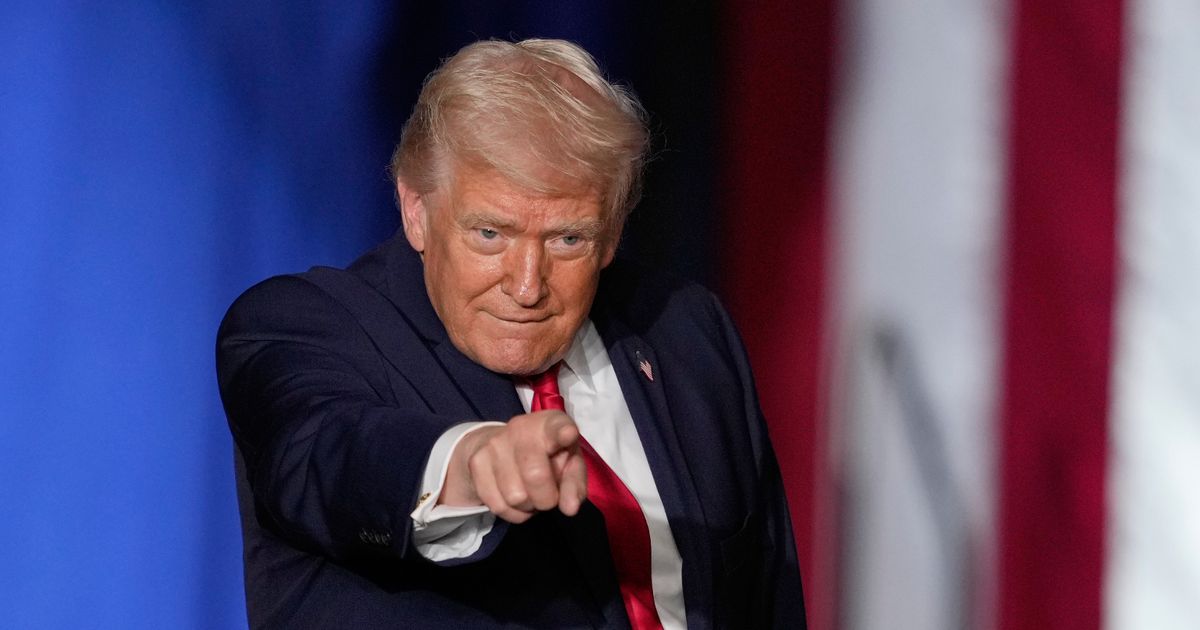
As President Donald Trump begins to lose his grip over his usually fiercely loyal MAGA followers, psychology experts have expressed concerns over the ‘escalation’ we may see now that the US leader is ‘cornered’
13:00, 31 Jan 2026Updated 15:25, 31 Jan 2026
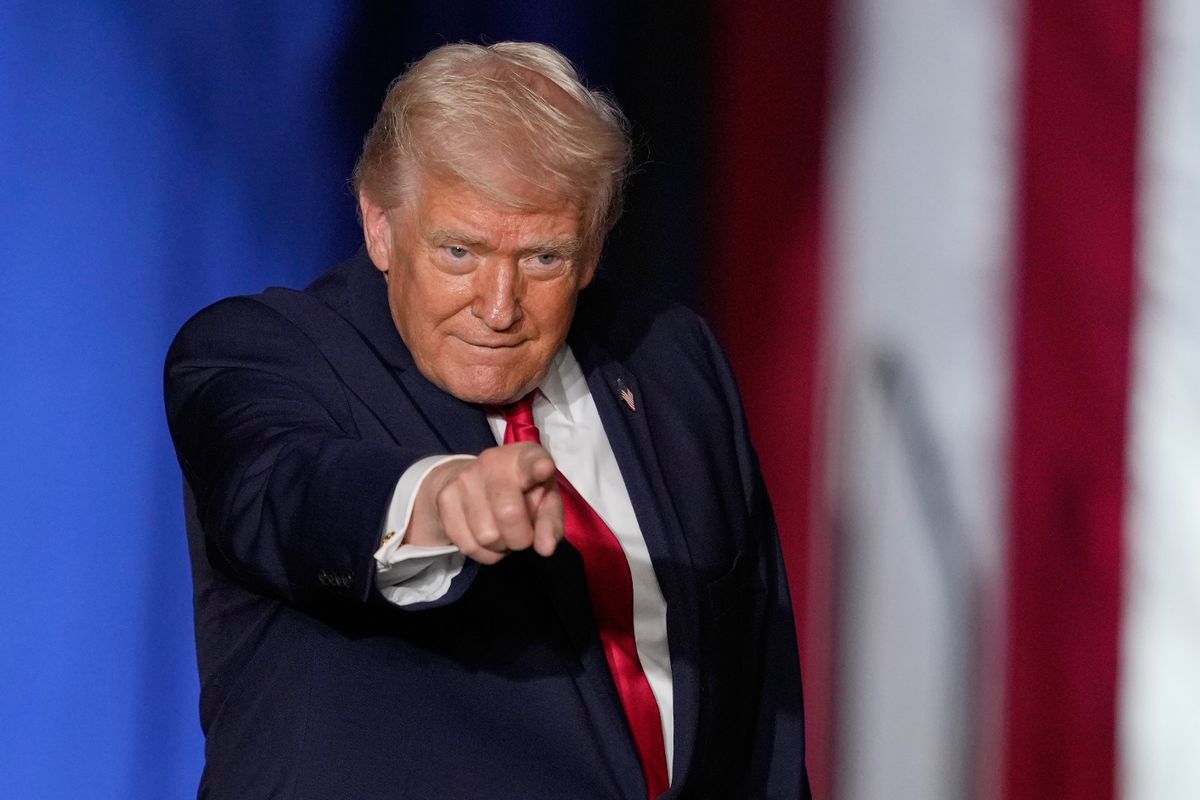
President Donald Trump’s kingdom appears to be crumbling around him, but there likely won’t be a moment of reflection(Image: AP)
A little over a year into his second presidential term, President Donald Trump’s kingdom appears to be crumbling around him, and there are serious concerns amongst therapists over what his next “unpredictable” move will be.
These concerns come as as new tranche of Epstein files have been released, including a complaint alleging Trump raped a 13-year-old girl in 1994. The anonymous accuser filed lawsuits in 2016 under the pseudonym Jane Doe, but withdrew them that same year – the last one just before the 2016 election. The document describes multiple instances of alleged abuse by Trump, including rape, and also alleges that Epstein was “angry that Trump was the one to take Doe’s virginity” and also raped Doe.
Descriptions mirror the allegations Jane Doe made in her 2016 lawsuit, according to CNN, but Trump has previously denied them. Alan Garten, a lawyer for the Trump Organization, told the Guardian in 2016 that the claims were “a complete fabrication”.
OPINION
 Mikey Smith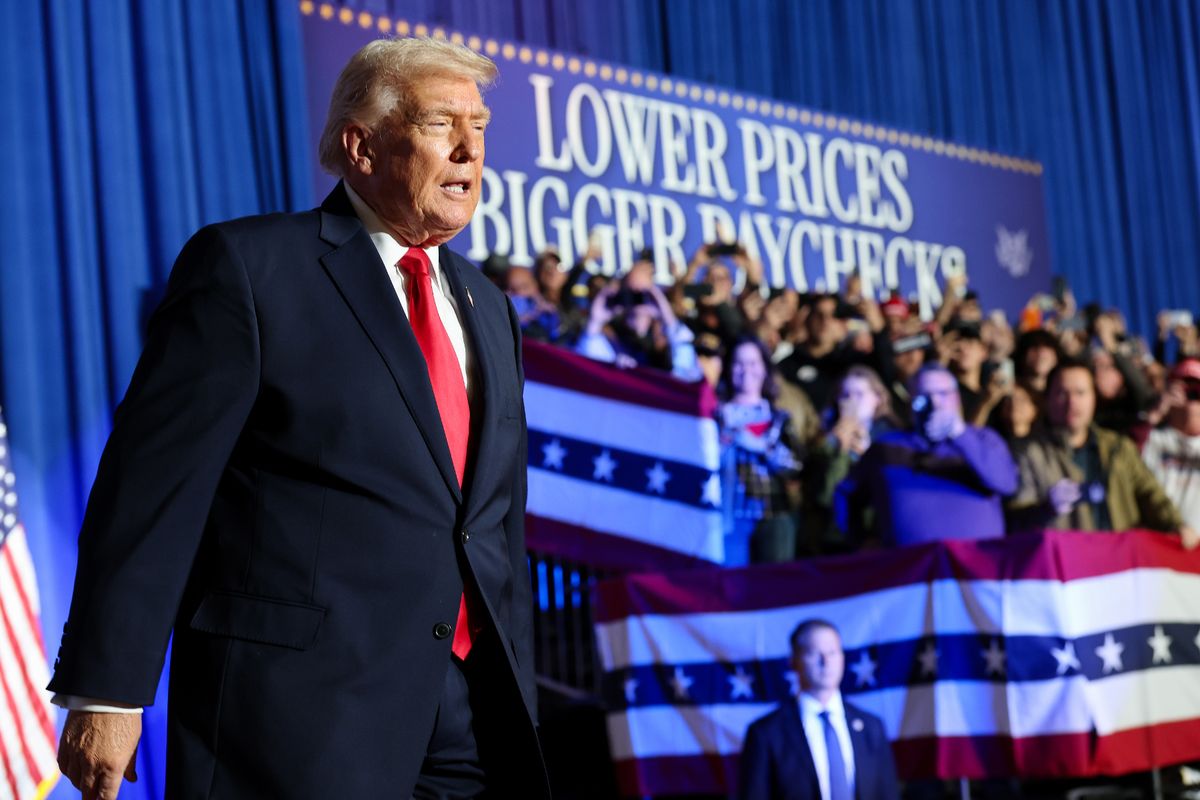
Trump has had to deal with hecklers at a rally in Iowa this week(Image: Getty Images)
The DoJ said today in a press release: “This production may include fake or falsely submitted images, documents or videos, as everything that was sent to the FBI by the public was included in the production that is responsive to the Act.”
While the Republican leader has long been regarded as a polarising figure, known for stoking outrage and division, even those in his usually congratulatory MAGA camp began to express serious displeasure.
Having been promised a new ‘golden age” of prosperity for America, the reality has proven to be anything but. Frustrations over sky-high prices and broken economic promises have come to a head in recent days, ignited further by dismay over the killing of US citizens by Trump’s ICE officers. And it isn’t just the 79-year-old’s usual critics making their voices heard, as illustrated this week at a rally in Iowa, a longtime Trump stronghold that appears to have been pushed to breaking point.
During his speech, in which he suggested that he should be able to stand for the presidency again in 2028, Trump was repeatedly heckled by members of the crowd he dismissed as “paid agitators”. Trump has long accused his detractors of having ulterior motives, but how will he respond now that those who once proudly cheered his name are taking a more critical view?
Trump’s brash, bombastic persona is a key part of his brand of populism, with his boastful, often rambling public addresses differing significantly from the more polished, professional deliveries of his predecessors. From frequent repeated misinformation about the 2020 election being ‘stolen’, to dismissing questions asked of him by female journalists with blatant disrespect, Trump’s communication style differs from rude to overtly cruel, and, in the eyes of many experts, completely narcissistic.
While many in the field would hesitate before diagnosing a public leader as a narcissist, Trump is, in so many ways, an unprecedented case. Back in 2024, more than 200 mental health professionals signed a letter warning members of the public that Trump exhibited “symptoms of severe, untreatable personality disorder – malignant narcissism”. Arguing that the leader is “an existential threat to democracy”, the letter, organised by political action committee Anti-Psychopath Pac, detailed Trump’s “failure to conform to social norms and laws, repeated lying, reckless disregard for the safety of others, irritability, impulsivity, irresponsibility and lack of remorse”.
This letter, published in The New York Times shortly before Trump’s second White House victory, has come back to haunt many Americans, with POTUS having made a number of extremely risky decisions in recent weeks. From the arrest of Venezuelan President Nicolás Maduro to threats made against Iran, there is the feeling of a global order teetering on a knife’s edge. And while Trump appears to love playing up to his usually loyal audience, how will he respond now that they are holding him to account?
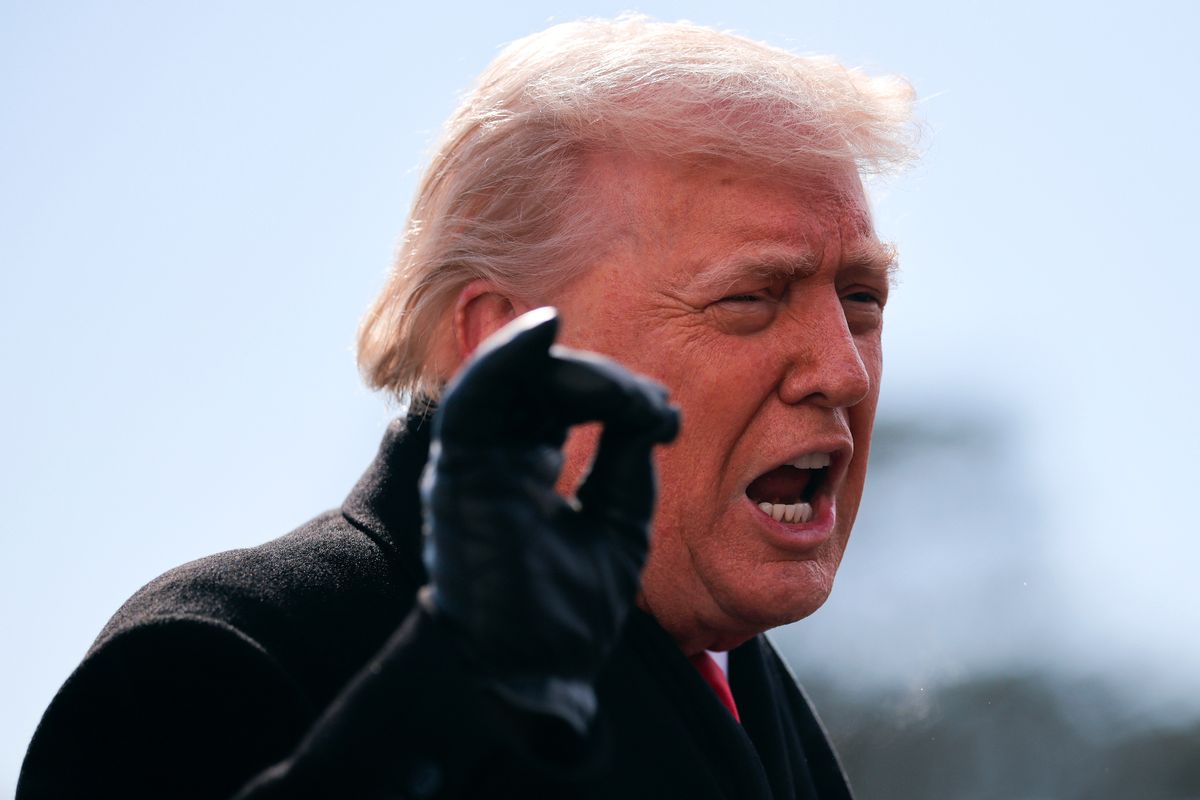
POTUS has made a number of extremely risky decisions in recent weeks(Image: Getty Images)
Mark Vahrmeyer, psychotherapist and spokesperson for UK Council for Psychotherapy (UKCP), told the Mirror: “When a narcissistically structured person is challenged in public, the trigger isn’t ‘hurt pride’ in the everyday sense. It’s narcissistic wounding: a puncture in the image they need in order to feel solid inside. That lands as shame and humiliation, and for this personality style, those feelings can feel intolerable, even annihilating. Clinically, the common defence is what we psychotherapists call narcissistic rage. Put bluntly: shame fuels rage and rage demands an enemy: the aim is to smash whatever (or whoever) caused the exposure.
“That matters when someone holds power. If the MAGA base starts heckling, dissenting, or withdrawing admiration, it isn’t received as feedback. It is experienced as betrayal. The temptation then is not reflection, but escalation: louder rhetoric, sharper enemies, and punitive gestures designed to restore dominance and force the crowd back into the role of the approving mirror. Immigration enforcement can become an attractive arena for this psychology because it offers simple villains, dramatic visuals, and ‘strength’ as theatre. The current fury around ICE actions, including in Minnesota, is exactly the kind of live wire that can be used to reassert control.”
However, Mr Vahrmeyer warns Trump isn’t operating in a vacuum”. He continued: “Courts, state officials, Congress, senior Republicans, and the blunt reality of events can impose limits. So if he changes direction, the clinical point is this: it’s more likely to be forced adaptation, not contrition. A narcissistic mind can pivot when it must, but will typically rewrite the pivot as victory, necessity, or sabotage by others rather than ‘I was wrong’. And when someone has real levers of power, that inner storm can have significant real-world consequences when acted out.”
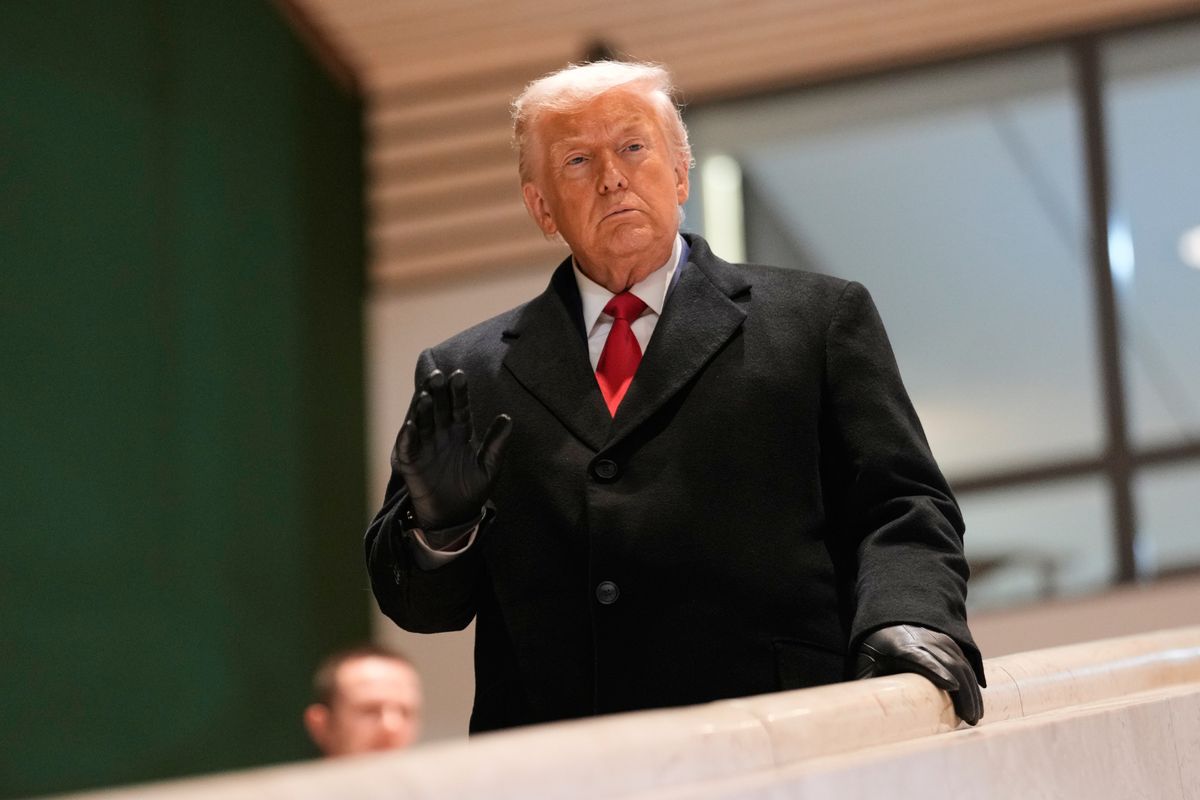
An awkward speech in Davos has once again brought Trump’s mental capacity under the microscope(Image: AP)
In recent weeks, the world has been reminded of the very real power that Trump holds behind his bluster, and how a decision made at his desk can shift the chessboard of geopolitics, with alarming consequences. The president’s mental capacity was brought into question yet again last week following an extremely awkward speech at the Board of Peace Forum in Davos, Switzerland. In a worrying lapse, POTUS mixed up the countries of Iceland and Greenland, the very country he has so openly expressed wanting “right title and ownership” over.
This comes as Slovakia’s prime minister, Robert Fico, who is known to be an ally of Trump’s, allegedly told other EU leaders that he’d been left shocked and concerned over the “psychological state” of the US president, following a face-to-face meeting at the former business tycoon’s Mar-a-Lago estate in Florida on January 17.
Politico reports that Fico allegedly described Trump as coming across as “dangerous” during the meeting, raising these fears in an “informal huddle” of leaders and top officials, while diplomats and politicians gathered in Brussels on January 22 to address Trump’s threats to seize Greenland. In response to these claims, White House Deputy Press Secretary Anna Kelly said: “This is absolutely total fake news from anonymous European diplomats who are trying to be relevant. The meeting at Mar-a-Lago was positive and productive.”

Outrage over ICE shootings continues to sweep America(Image: AP)
While many leaders may take stock after hearing criticism from friends, it’s unlikely this would be the case for a personality such as Trump’s. Dr Katie Barge explains: “From a psychological perspective, when a leader with strong narcissistic traits begins to lose control, admiration, or unquestioned loyalty, it’s often experienced as a profound personal threat rather than a political setback. In moments like this, accountability isn’t processed as feedback; it’s felt as humiliation. From my experience, this is a huge trigger point for people high in narcissistic traits. What we typically see when narcissistic figures are cornered is escalation rather than reflection.
“That can include doubling down on blame, creating enemies, leaning into fear-based rhetoric, or taking increasingly extreme positions in order to reassert dominance and regain a sense of power. Being openly challenged by his own supporters is likely to be particularly destabilising. Narcissistic leaders rely heavily on the illusion of unwavering loyalty, so public dissent can provoke impulsive, punitive, or reckless behaviour as a way of restoring control. Rather than stepping back, this pressure may make him even more unpredictable, more reactive, more combative, and more willing to take risky decisions that play well emotionally with a core base, even if they are damaging in the longer term. When narcissistic leaders feel their grip slipping, they rarely soften. They tighten it, with often impulsive and damaging consequences.”
But as Trump attempts to regain control of the narrative, with there be any moments of reflection within the Oval Office? And will he take steps to admit that errors have been made? On this note, experts aren’t overly optimistic. Tina Chummun, trauma specialist and psychotherapist at Care2Counsel Ltd, told us: “From a clinical psychology perspective, when individuals with strong narcissistic traits experience public challenge, loss of admiration or threat to their status, what we often see is not reflection or repair but escalation. Narcissism is underpinned by a fragile sense of self and inner shame that relies heavily on external validation. When that validation is withdrawn, the response is commonly defensive rather than adaptive.
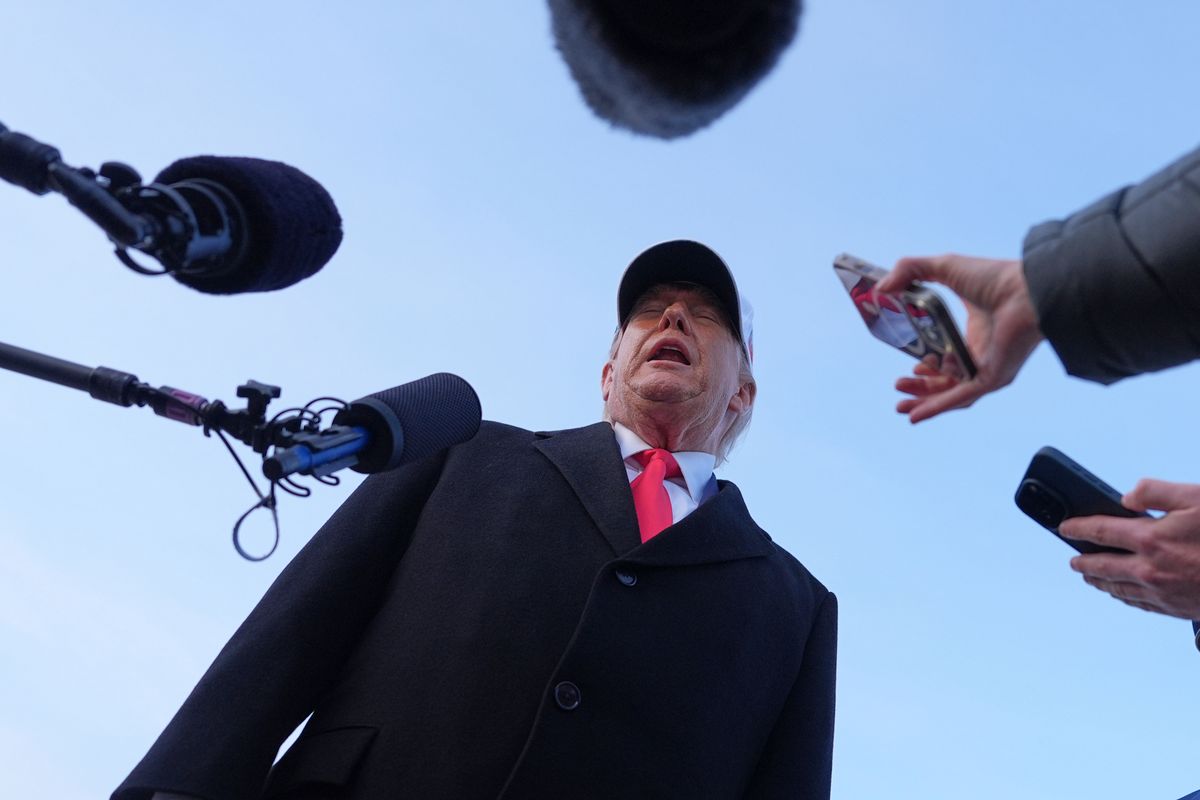
It’s believed Trump could take a ‘defensive rather than adaptive’ approach to the recent criticism(Image: AP)
“When ‘cornered’, narcissistic individuals tend to respond in one or more predictable psychological ways. These include heightened aggression or rage, increased blame-shifting, retaliatory behaviour and a doubling down on grandiosity. Accountability is often experienced not as feedback but as humiliation or attack, which can trigger what is known clinically as narcissistic injury. The priority then becomes restoring dominance and control rather than resolving the underlying problem.”
She added, “In influential leaders, this can be amplified by power and platform. Rather than moderating behaviour, threat can lead to more extreme self-assertion, stronger in-group versus out-group narratives and increasingly authoritarian or punitive language. We also often see a move towards symbolic positioning, where casting oneself as the ultimate authority figure who cannot be questioned. This is psychologically protective for the individual, even if destabilising for others.
“It’s important to stress that there is no single template for behaviour, and it would be inappropriate to predict specific actions. However, from a psychological standpoint, pressure rarely produces humility in narcissistic tendencies. More commonly, it produces rigidity, escalation and an intensified need to assert control in order to stabilise the self. This is almost a symbolism of an unregulated, emotionally charged, and dysfunctional outward behavioural display of someone who has completely lost control of their emotions.”
Do you have a story to share? Email me at julia.banim@reachplc.com. Follow Mirror Celebs on Snapchat , Instagram , Twitter , Facebook , YouTube and Threads
READ MORE: Harry Styles fans can hear his new single free with streaming deal