
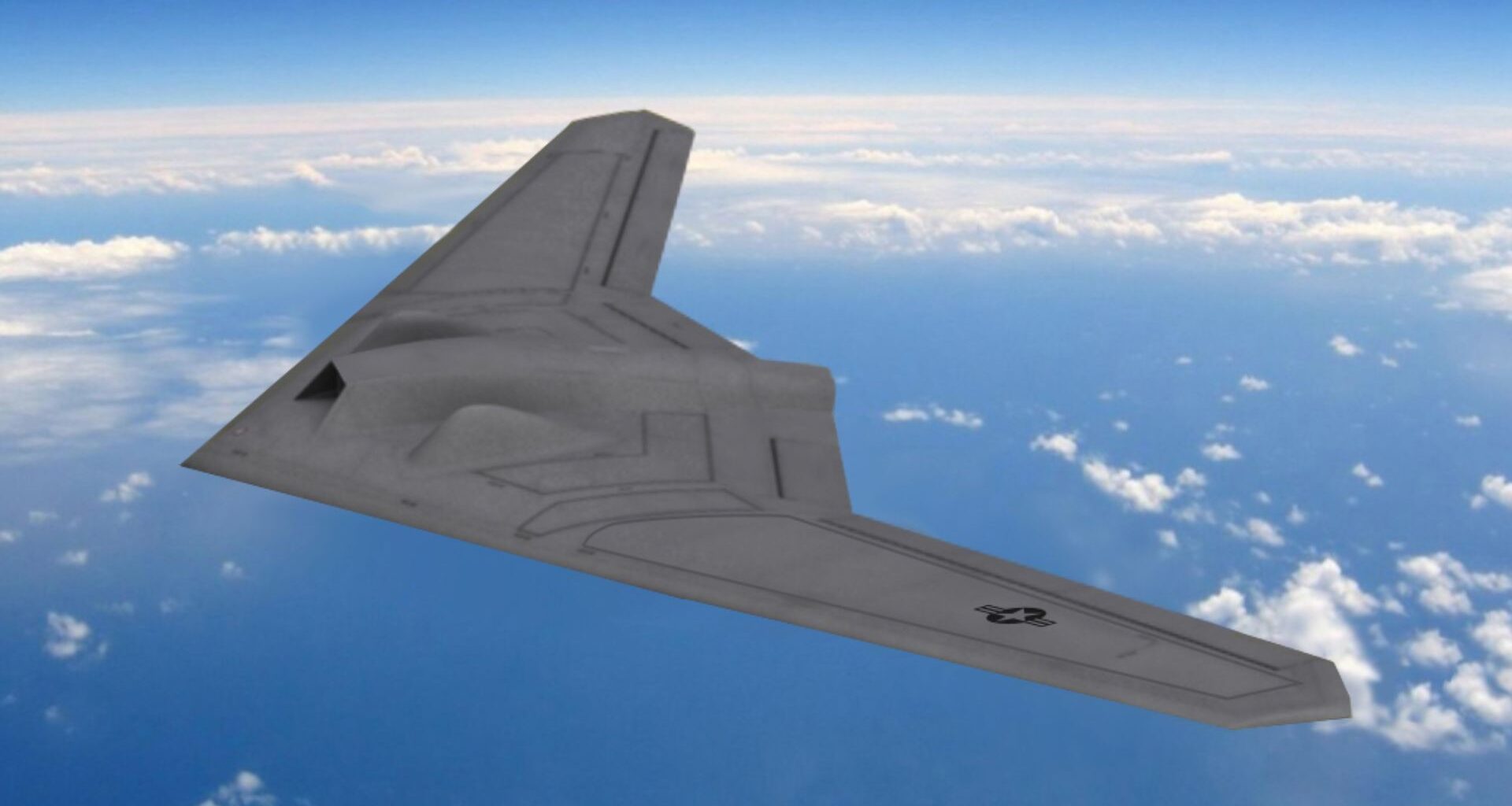
Lockheed Martin has offered a rare public confirmation of the operational use of its secretive RQ-170 Sentinel stealth drone.
The drone was linked to a recent US mission targeting Venezuelan President Nicolás Maduro, carried out on January 3, 2023.
During a quarterly earnings call, Lockheed Martin’s CEO, Jim Taiclet, said the drone operated alongside F-35 and F-22 fighter jets and Sikorsky Black Hawk helicopters during Operation Absolute Resolve, according to US media outlets.
The comments mark one of the few official acknowledgements of the RQ-170’s real-world role in a high-risk US military operation.
Stealth drones confirmed
After Operation Absolute Resolve concluded on January 3, video footage emerged showing at least one, and possibly two, RQ-170 Sentinel stealth drones arriving at the former Naval Station Roosevelt Roads in Puerto Rico.
The base served as a major hub for aircraft involved in the operation and provided strong visual evidence of the Sentinel’s participation, according to The War Zone (TWZ).
The US military later confirmed that multiple aircraft types took part in the mission, including F-35 and F-22 fighter jets and Sikorsky Black Hawk helicopters. The Black Hawks were operated by the US Army’s 160th Special Operations Aviation Regiment, known as the Night Stalkers. While officials also acknowledged the use of drones during the operation, they did not explicitly identify the RQ-170.
According to TWZ, questions about Sentinel operations in the region had already surfaced following a now-deleted December 2025 post on X by Air Forces Southern (AFSOUTH). The post included an image of an individual wearing a name patch featuring an RQ-170 silhouette along with the sleeve insignia of the 432nd Wing.
The only US Air Force units known to operate the RQ-170 are the 30th and 44th Reconnaissance Squadrons, both assigned to the 432nd Wing at Creech Air Force Base, Nevada. The Air Force is believed to maintain an inventory of approximately 20 to 30 RQ-170 Sentinel drones.
Sentinel breaks cover
Taiclet’s comments represent the first public acknowledgment in several years of the RQ-170 Sentinel’s operational deployment.
The previous official reference came in 2021, when the US Air Force’s 432nd Wing at Creech Air Force Base noted the aircraft’s ability to deploy but did not describe specific missions. Defense analysts said the explicit mention of the RQ-170 was unexpected, as such disclosures are typically carefully vetted in advance, according to Defcros News.
Developed by Lockheed Martin’s Skunk Works, the RQ-170 was first publicly identified during operations in Afghanistan in the late 2000s, earning the nickname “Beast of Kandahar.” The US Air Force has stated that the aircraft conducts intelligence, surveillance, and reconnaissance missions to locate targets, though its detailed capabilities remain classified.
The Sentinel has since been linked to several high-profile operations. RQ-170s were used to monitor aspects of Iran’s nuclear program, a role that became widely known after one drone was lost in Iran in 2011. The aircraft is also believed to have supported surveillance ahead of the 2011 raid that killed al-Qaeda leader Osama bin Laden, reports TWZ.
In addition, RQ-170s have deployed to South Korea, other parts of the Pacific, and may have flown intelligence missions over the Black Sea region between 2022 and 2023, with satellite imagery from Naval Air Station Sigonella in Italy adding credibility to those reports.