
BBC bosses are considering a new way of funding the corporation, which would result in people having to pay the licence fee to listen to any of its radio channels or use its news website.
Another change being considered is to extend the licence fee so viewers would have to pay it even to stream shows only on external services, such as Netflix or ITV.
The corporation’s leaders, who are in the process of preparing a submission to the government, want to cut or freeze the licence fee. It has increased by 20 per cent over the past decade to £174.50 a year.
At present, the licence fee must be paid to watch live television or anything on iPlayer. It is not required if you only use the BBC to listen to the radio, such as Radio 4 or Radio 6 Music, access the BBC website, listen to podcasts on BBC Sounds or only watch on-demand streaming content on other channels.
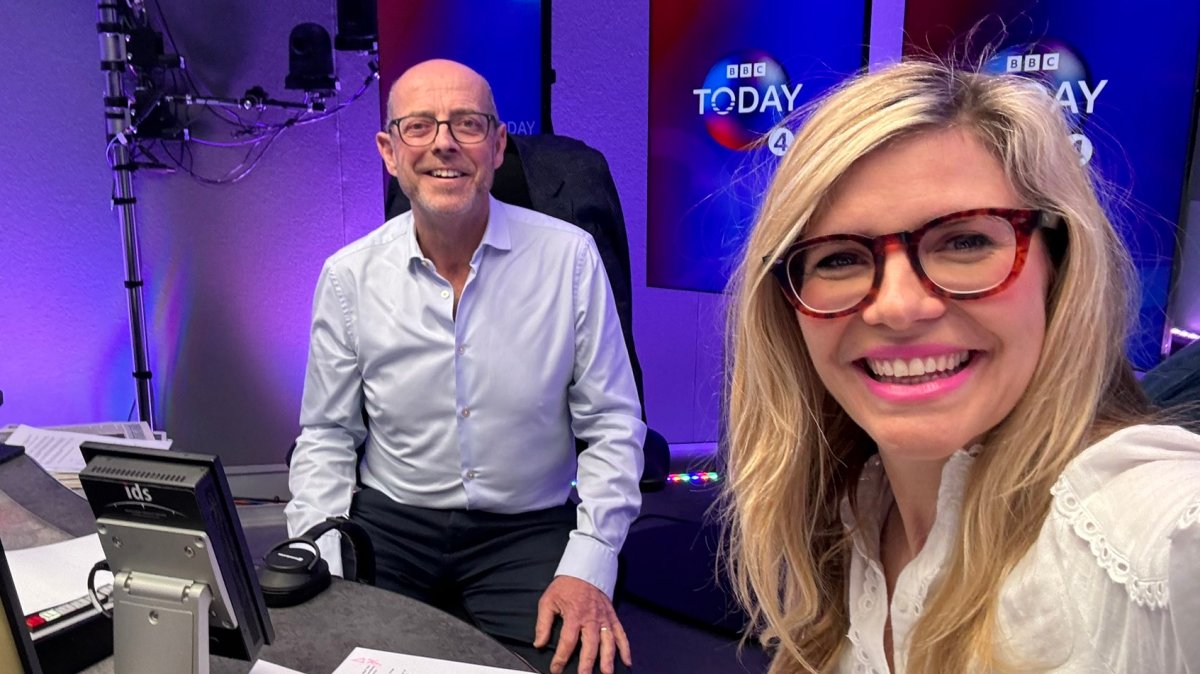
Founded in 1922, and funded by the current licence fee model since 1946 when it cost just £2, the BBC stands as a global media behemoth. Radios, including car radios, were exempted in 1971. It has more than 20,000 employees, and is behind many of the UK’s biggest programmes including Strictly Come Dancing, The Traitors, presented by Claudia Winkleman, and EastEnders, and radio, including the Today programme, whose presenters include Emma Barnett and Justin Webb.
In recent years, however, several senior BBC figures have complained that below-inflation rises in the licence fee have held them back. They are lobbying for a new deal before 2027, when the royal charter that governs the BBC is due to renew.
One option, understood to have been discussed at a board meeting in Salford on Wednesday, would be to increase the number of households who pay the licence fee, thereby raising more money and lowering the average cost.
• BBC to make bespoke shows for YouTube in landmark deal
Last year, about 23 million paid the fee, worth £3.8 billion, but the BBC estimates it may have lost up to £550 million due to the number of households who refuse to pay. Last week it was reported the BBC was working on iPlayer tracking technology to root out non-payers.
Another proposal discussed is a model in which wealthier households are charged more, so that other families could then be charged a lower amount.
The BBC is understood to be hopeful the licence fee charge could be cut, or future price rises averted, if their cost base is reduced. One option would be finding a different form of public funding to support the World Service. It cost the BBC about £220 million last year.
Bosses may also tell the government that BBC Studios, the commercial TV production arm which makes programmes for the BBC and international broadcasters, could provide more funding for the rest of the corporation if it is allowed to take on more debt to expand.
• BBC, ITV, C4 and C5 urge government to protect them from digital giants
BBC leaders are aware that more households are struggling to afford the licence fee due to the high cost of living.
The BBC’s licence fee income has fallen each year since 2020, at a time when general broadcasting costs have increased.
It is understood that bosses have yet to decide on specific proposals to submit to the government’s green paper on future funding, but they will urge ministers not to pursue a “status quo” licence fee model.
Options on the table from the government include building a Netflix-style subscription service or using advertising to grow commercial revenues in this country, a move that would upset many fans of the BBC who have become accustomed to its marketing-free content. It is understood that BBC bosses are not keen on either of these options.
They might have been open to exploring a new tax model, such as a household fee collected like a utility bill, but ministers have already ruled this out.
• The state of the BBC in numbers: licence fee evasions and public trust
A BBC insider said: “Our priority is ensuring the BBC is sustainable as a universal public service beyond just the next few years. That shouldn’t mean the price for ordinary households goes up. We’re very sensitive to that pressure.
“Ministers have set out an ambitious agenda of what the BBC should be and we are open to all ideas that, as the consultation says, ensures the organisation ‘not just survives, but thrives’ in this competitive media landscape.”
The details of any proposals from the BBC are yet to be finalised, and it is not clear whether the government would support its ideas or how new extensions to the licence fee could be enforced.
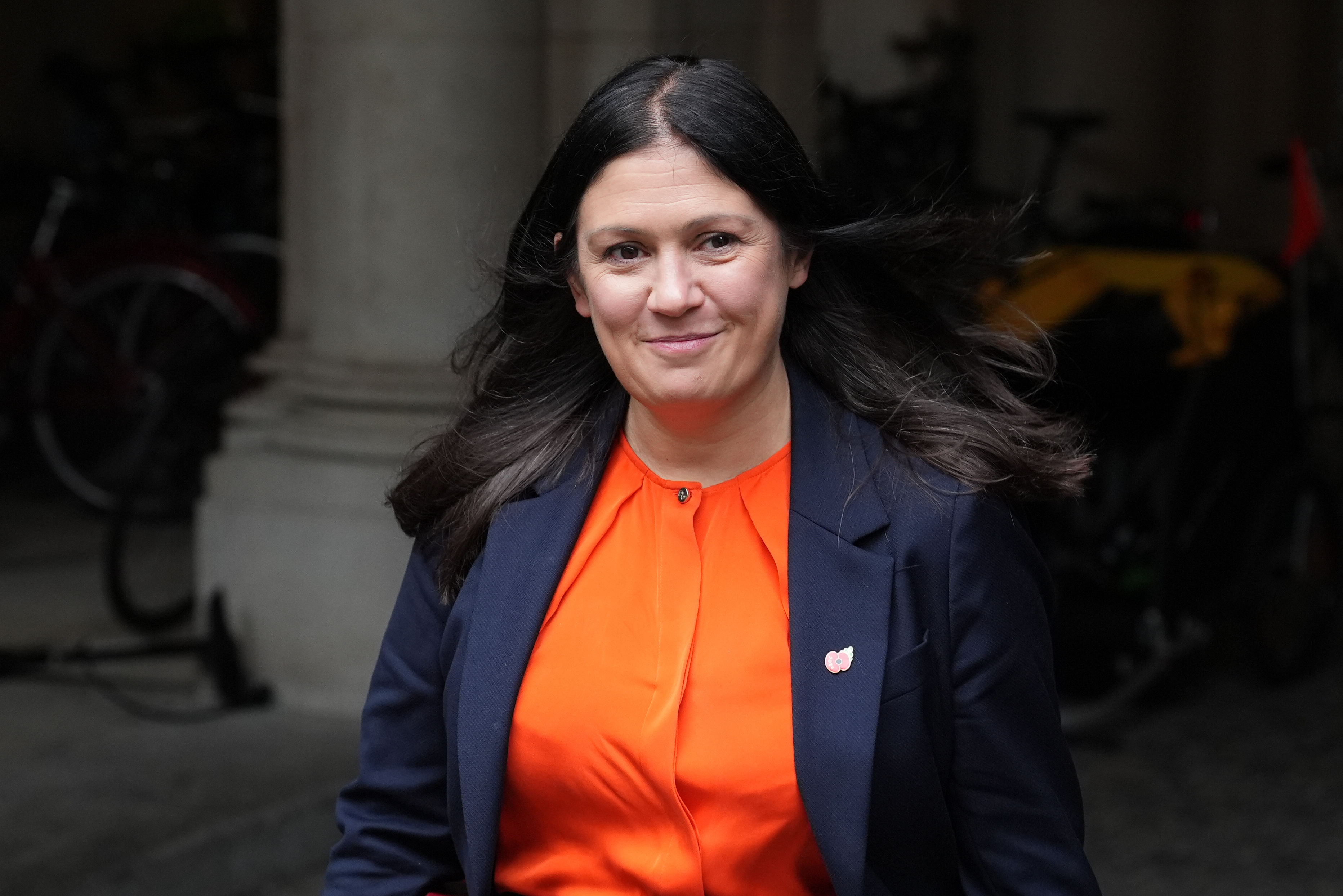
The government’s green paper, published in December by Lisa Nandy, the culture secretary, makes clear that reform of the licence fee is on the cards.
The green paper stated that, given the BBC’s “sustainability challenges”, ministers are “reviewing the scope of services for which the licence fee is required and considering differential rates for specific types of users, to make it more sustainable for the long-term, along with increasing commercial revenue to ease the burden on the public.
“This would aim to reverse the trend of fewer households paying every year and declining overall income, which risks the BBC declining if it is not addressed.” It added: “At this stage the government is keeping an open mind on activities or services for which households could be required to hold a TV licence.”