
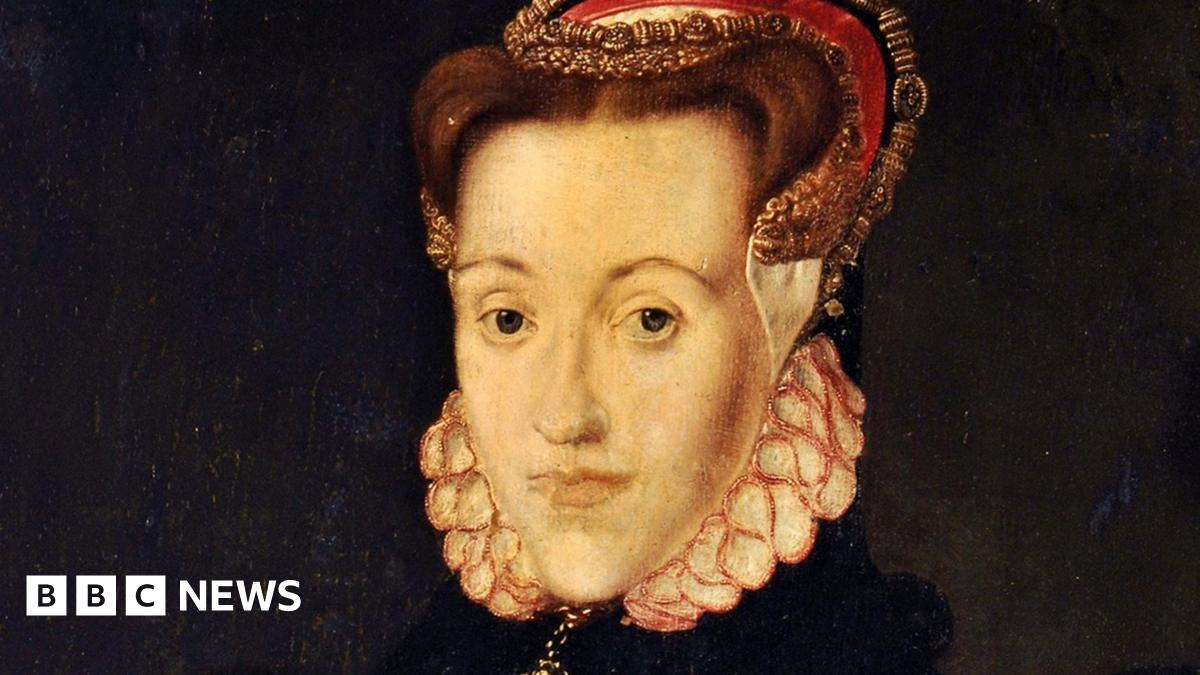
In June 1546, she was convicted of heresy and condemned to death.
Anne was moved to the Tower of London, where she was tortured on the rack – a shocking and illegal act, given she was of noble birth and awaiting a death sentence.
But her opponents knew Anne was “an entry point” into a network of people who had similar radical Protestant opinions.
They would have included Henry’s sixth and last wife, Catherine Parr, a prominent progressive Protestant.
But Anne refused to give evidence the opponents of the queen were looking for.
When taken out to be burnt alive at Smithfield, on 16 July 1546, she is said to have faced her fate bravely.
“They would have piled up faggots of wood in advance,” Adrian explains. “There was a ring actually fenced round where people could gather to watch
“It would have been a big deal because she was quite famous, quite notorious.”
It is hard to imagine the courage Anne showed in sticking to her beliefs. Today, she is remembered in Protestant churches across England, including Lincoln Cathedral.
Following Henry’s death, the Church changed its stance on the communion bread.
“It’s particularly tragic, because she was burnt for an opinion that was only a few months in advance of its time,” Adrian says.
“But that was a time when your opinion and your belief could get you burnt at the stake.”