
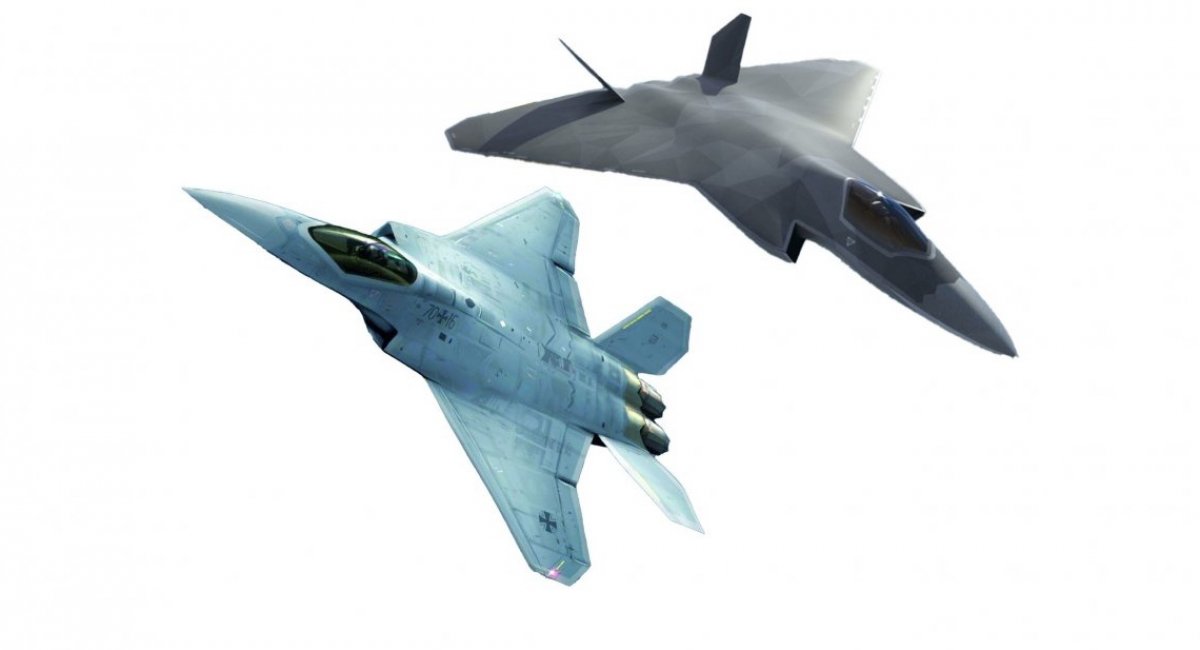
Scandal-plagued joint German-French-Spanish sixth-generation FCAS fighter development project may be divided into two separate aircraft. Such a variant of events was supported by Airbus Defence and Space leadership.
As Airbus defense segment head Michael Schöllhorn reported, dividing overall development into two branches is quite a viable option and, in my view, this would be a good decision.
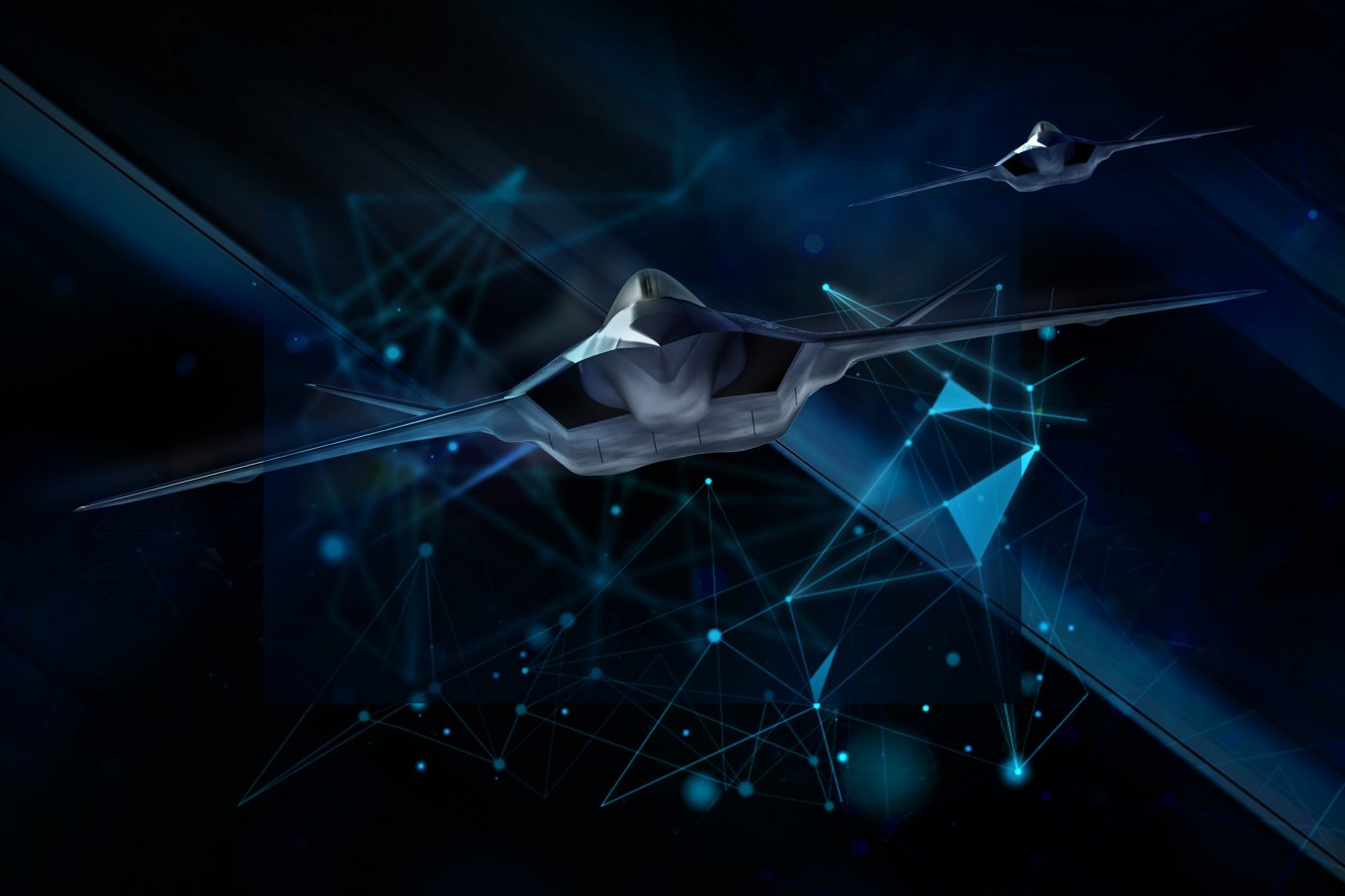
One can say that in Europe’s interests it’s better to have more detailed solutions meeting different mission profiles, Euractiv quotes him. As noted, such an approach can create diversity and certain resilience.
Defense Express notes that if such a variant is agreed by Dassault Aviation, and subsequently by Berlin and Paris, this could quite lead to saving the joint project through partial separation. Because currently the FCAS project has reached a dead end, as it seems Germany simply tired of France’s tantrums.
Particularly, French and Spanish are interested in a lighter fighter that can be carrier-based. France has full-fledged aircraft carrier Charles de Gaulle plus agreed PANG project, with desire to build two. Spain has plans for two light and one full-fledged aircraft carrier. Also for France, an important condition is fighter sovereignty and capability to arm it with nuclear weapons.
In turn, Germany is interested in integrating American nuclear bombs. Also generally wants a more powerful and heavier machine. Particularly, precisely due to analogous disagreements, France once exited the Eurofighter project and Rafale appeared, with maximum takeoff weight 15 tons versus Typhoon at 23.5 tons.
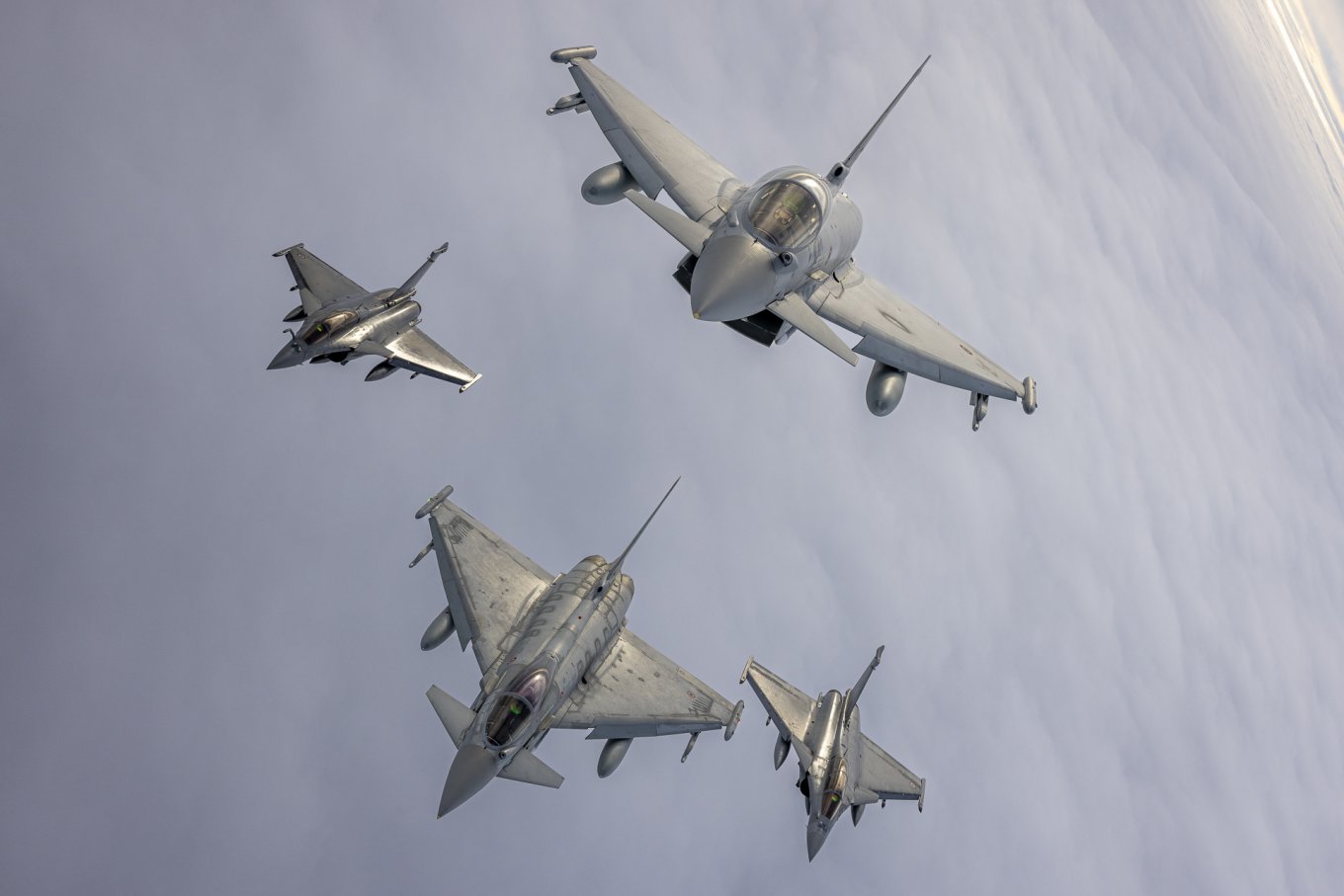 Eurofighter Typhoon and Rafale / Photo credit: NATO Air Command
Meanwhile, despite difference in requirements even for aircraft size, a whole range of fighter systems for example radar, EW complex, other sensor systems, generally onboard radio-electronic equipment, plus loyal wingman drones can quite remain common, as can weapons systems. But worth understanding that in practice this will still lead to significant differences in aircraft filling versions and they won’t be interchangeable.
Ultimately such a variant could indeed suit France and Dassault Aviation. But this would mean Europe should have British-Italian-Japanese Tempest, two separate FCAS, plus Swedish sixth-generation fighter within F-series from Saab. Of course, if Germany and Sweden don’t agree to combine developments, which sounded as Plan B.