
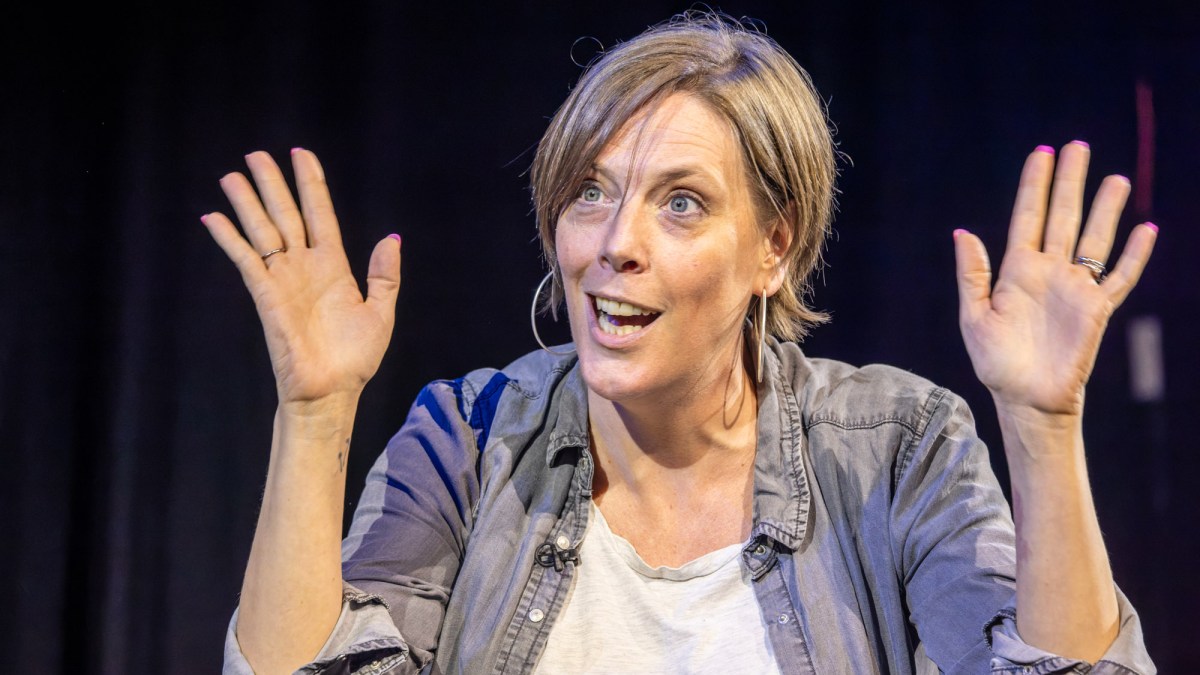
Reform UK’s pledge to repeal the Online Safety Act would empower “modern-day Jimmy Saviles” who abuse children online, a Labour minister has said, reigniting the row between the government and Nigel Farage’s party over internet age verification.
Jess Phillips, the Home Office minister for safeguarding and violence against women and girls, uses an article in Monday’s Times to accuse Farage of indifference towards victims and of putting “clicks for his monetised social media accounts” over children’s safety.
The attack on Reform’s leader comes a week after he demanded an apology from Peter Kyle, the science and technology secretary, who said Farage had put himself “on the side of predators” such as Savile, one of the most prolific paedophiles in British history, in opposing the law.
Kyle, who has refused to retract his criticism, divided opinion within government over his comments about Farage, who argues that the online safety law fails to protect children but suppresses free speech.
Phillips, however, has joined her cabinet colleague’s rhetorical assault on Reform’s leadership, warning that the sexual exploitation of young girls exposed by Baroness Casey’s review of the grooming gang scandal “is now rapidly moving online”.
Recalling the case of the “modern-day Savile” Alexander McCartney, a Northern Irish sex offender who was jailed for 20 years last year after grooming underage girls as young as four via social media, she said “stronger safeguards” were needed to protect children online.
Phillips said that McCartney, from Newry, Co Armagh, had used “normal websites” to commit his crimes and cited the suicide of Cimarron Thomas, a 12-year-old girl from West Virginia who was persuaded to send indecent images to the paedophile and subsequently killed herself.
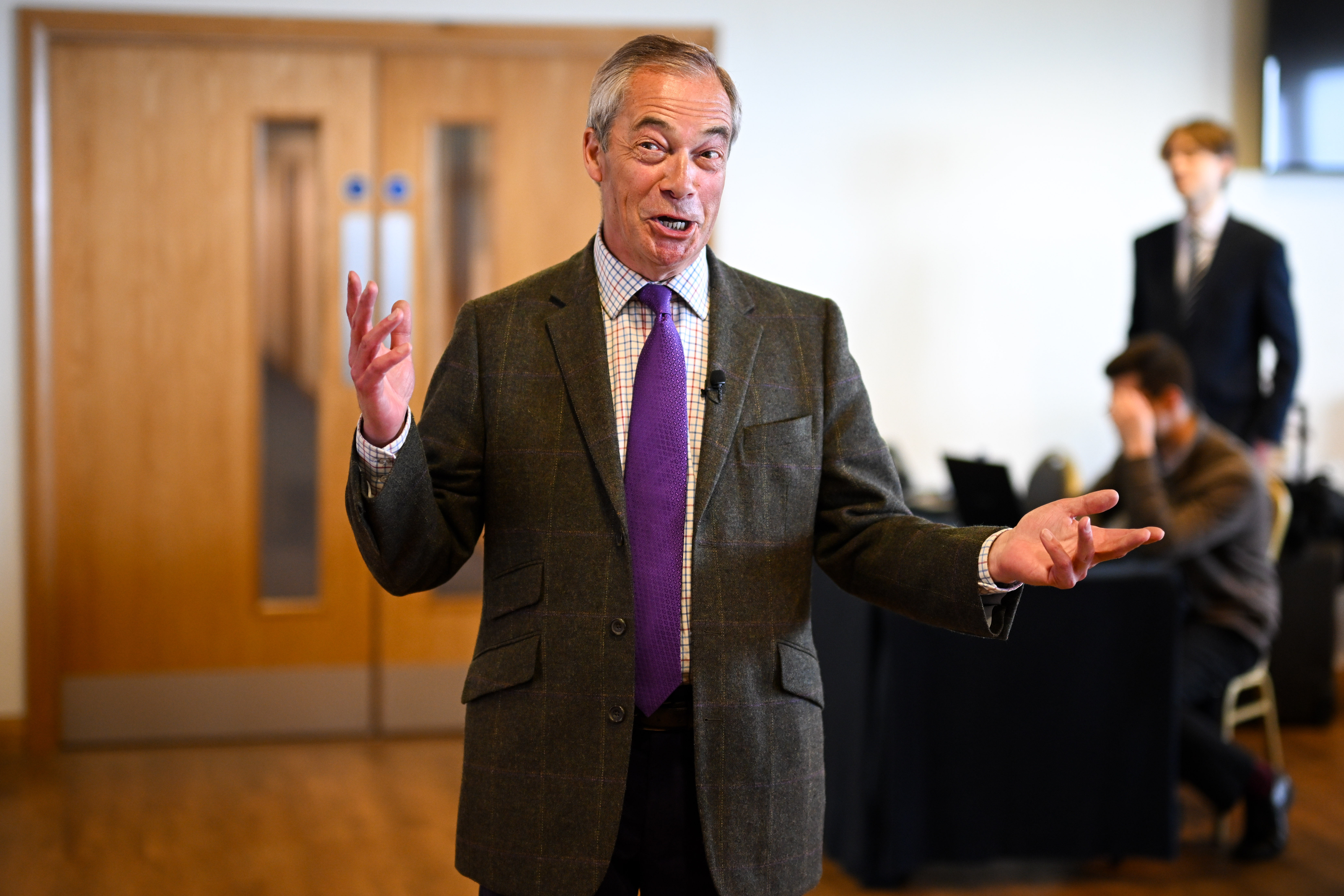
Phillips suggested that Farage was failing to take online grooming seriously because “there’s no political advantage in it”
FINNBARR WEBSTER/GETTY IMAGES
“I defy anyone to hear that story and tell me we don’t need tougher action to stop predators like McCartney from having access to children like Cimmaron,” Phillips writes. “That’s why the Online Safety Act exists — to try to provide that basic minimum of protection and make it harder for paedophiles to prey on children at will. And we can’t afford to wait.”
She adds that police had warned her that websites regularly accessed by children, “where parents assume they’re safe”, were increasingly used by paedophile networks — some of them involving teenage boys — to “coerce and blackmail” youngsters into sexual abuse.
“Perhaps Nigel Farage doesn’t worry about that — there’s no political advantage in it, and no clicks for his monetised social media accounts. But I do,” Phillips writes. “I worry about what it means now and what it will mean when boys reared on a diet of ultraviolent online child abuse are adult men having children of their own. I can’t ignore that, neither can Peter Kyle and, most importantly, nor can millions of parents across the country.”
Accusing Farage of indifference towards victims’ views on the legislation, she adds: “I defy Nigel Farage to tell me what any of that has to do with free speech. I defy him to meet even one parent who has lost a daughter to suicide because she was being blackmailed online and tell them that is just the price of civil liberties. Maybe he’d feel differently after that kind of meeting, or maybe he wouldn’t care.”
A Reform source said: “Once again we see Labour desperately embarrass themselves with idiotic statements that will never pass the smell test. This is the government who refused time and time again to order a national inquiry into the grooming gangs and have had to suspend the whip from an MP for allegations of the most horrific crimes against children.”
‘We need tougher action to stop online predators’
If you’ve been living under a rock, you may have missed last week’s row about Nigel Farage and the Online Safety Act (Jess Phillips writes). Farage said it’s the biggest threat to freedom of speech in our lifetimes. My colleague Peter Kyle said he was siding with modern-day Jimmy Saviles preying on children online. And Zia Yusuf of the Reform Party said that was one of the most disgusting things a politician had ever said. Perhaps he’s been living under a rock too.
I’d like to talk to Farage and Yusuf about one of those modern-day Saviles, Alexander McCartney. Unlike Savile, he didn’t have to become a national celebrity to access his victims. He just needed a computer. Starting in his late teens, the Newry man pretended to be a teenage girl on Snapchat and sought to groom thousands of children around the world.
One was 12-year-old Cimarron Thomas, from West Virginia. In the space of four days, McCartney befriended her, persuaded her to send revealing photos and said he’d post them online if she didn’t include her nine-year-old sister. When his torture got too much, Cimarron shot herself. Her little sister found her body, not knowing that Cimarron had died protecting her, and her dad took his own life 20 months later, never knowing why his daughter had done the same.
I defy anyone to hear that story and tell me we don’t need tougher action to stop predators like McCartney from having access to children like Cimmaron. That’s why the Online Safety Act exists — to try to provide that basic minimum of protection, and make it harder for paedophiles to prey on children at will. And we can’t afford to wait. Louise Casey has made clear that much of the vile criminality she exposed in her report on grooming gangs is now rapidly moving online.
I see it myself when I’m briefed on the latest networks of paedophiles the police have uncovered. Chatting about grooming techniques, offering to share content of their own kids, and swapping images coerced and blackmailed out of children like Cimarron. And where from? Not on the dark web, but on normal websites where their parents assume they’re safe. So you’re damn right I think we need stronger safeguards to stop that happening.
Sadly, this is also about children themselves committing abuse. Last year, of all the recorded child sex offences where the police know the age of the perpetrator, more than half were committed by ten to 17-year-olds. I’ve worked with victims of sexual abuse for nearly two decades. I know this is new, so we need to ask: why are so many teenage boys now abusing their fellow children?
Perhaps Nigel Farage doesn’t worry about that — there’s no political advantage in it, and no clicks for his monetised social media accounts. But I do. I worry about what it means now and what it will mean when boys reared on a diet of ultraviolent online child abuse are adult men having children of their own. I can’t ignore that, neither can Peter Kyle and, most importantly, nor can millions of parents across the country.
I defy Nigel Farage to tell me what any of that has to do with free speech. I defy him to meet even one parent who has lost a daughter to suicide because she was being blackmailed online and tell them that is just the price of civil liberties. Maybe he’d feel differently after that kind of meeting, or maybe he wouldn’t care.
What a luxury to never worry about anything but likes and clicks. But that’s not how governments should behave. For us, children’s safety has to come before anything else. Sorry if that offends.
Jess Phillips is the Home Office minister for safeguarding and violence against women and girls