
An appeal court has ruled in favour of the single-use plastic ban, but some advocates saying more work needs to be done. Kamil Karamali reports.
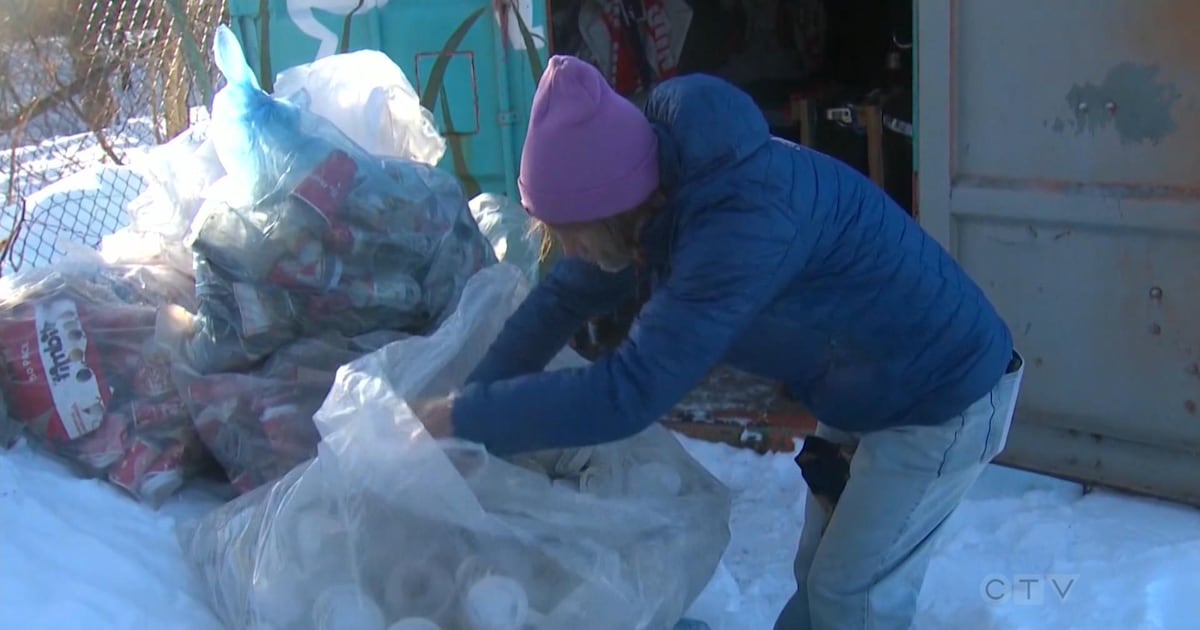
Deep inside a shipping container sitting in a grocery store parking lot, adjacent to Toronto’s Don River, are more than a dozen bags filled with items Lawrence Warriner has worked tirelessly long days to collect – plastic cups, plastic lids, and a whole lot of plastic.
“We’re seeing thousands and thousands of coffee cup lids and hot chocolate lids, ice coffee cups – all plastic – all collected from the ravines and our waterways,” Warriner told CTV News on Saturday. “Plastics are probably 90 per cent of what we pick up.”
Warriner is president of ‘Don’t Mess with the Don’ – a community group dedicated to picking up trash in and around the Don River.
READ MORE: Ottawa wins Federal Court appeal allowing single-use plastics ban to stand
Ever since the federal government phased in a plastics ban to replace single-use plastic items like straws and shopping bags, he’s noticed a big difference in the type of garbage he finds during his cleanup efforts.
“When the decision was made to ban plastic bags, the bag count that we would find in the cleanup dropped by 99 per cent. Trees would be coated in plastic bags (previously), so the change was dramatic,” Warriner added. “When legislation comes into play, it makes a massive impact on what we see and what we’re collecting.”
Volunteer groups, like ‘Don’t Mess with the Don’ that are cleaning up plastic waste surrounding Ontario’s bodies of water say they’ve already seen a significant reduction in types of plastic trash.
They are hoping the federal government expands regulations to include more single-use plastic items from being used and enforces stricter penalties to those who continue to manufacture and sell banned plastics.
“We see it in our data, which is really interesting,” Rochelle Byrne, founder of the shoreline cleanup initiative ‘A Greener Future’ told CTV News in an interview Sunday. “Single-used plastics have been banned for a little while and we do see the number of plastic bags, plastic utensils and plastic straws decreasing.”
 Canada’s ban on single-use plastics to remain in place, federal appeals court decides Part of the “Turn Off The Plastic Tap” art installation by Benjamin Von Wong is photographed on its final day outside Ripley’s Aquarium of Canada in Toronto on Monday, June 20, 2022. The government has began phasing out six harmful plastics as part of the plan to ban single-use plastic. (Tijana Martin/The Canadian Press)
On Friday, the Federal Court of Appeal sided with the federal government in listing “plastic manufactured items” as toxic substances, overturning the 2023 Federal Court ruling that struck down the toxic designation.
The unanimous decision allows Ottawa to continue with its ban on six single-use plastic items including plastic bags, straws, stir sticks, cutlery, six-pack rings, and certain types of takeout containers.
“It’s a big step forward for the ability of governments in Canada to take common sense steps to start solving the plastic pollution crisis,” Rick Smith with Canadian Climate Institute told CTV News Saturday.
“Increasingly microscopic plastic particles are being absorbed by human bodies and recent science shows that all of us have detectable levels of plastic inside of us,” Smith said. “That is starting to have some effects on our health.”
Push to ban more single-use plastic items
Environmental Defence, a Canadian-based environmental advocacy organization, says the Federal Court of Appeal’s decision to continue to allow plastics to be listed as toxic should incentivize the federal government to take steps to ban more single-use plastic items.
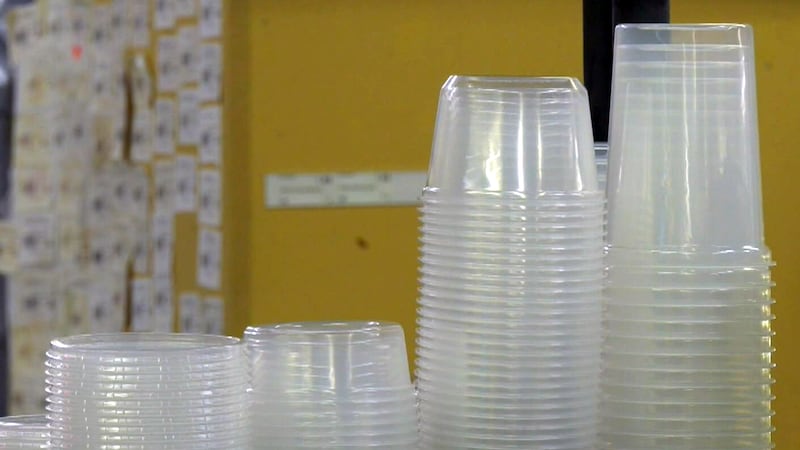
“Takeout cups and lids are a real menace, and there’s an obvious solution to them which is reusable systems,” Karen Wirsig, the senior program manager for Environmental Defence told CTV News in an interview on Saturday.
“I think a return system for cups would work. If [the companies] would work together on a takeout cup that we all could use, pay a deposit, return it anywhere… the companies get them back, wash them out and reuse them,” Wirsig said. “That would be the most simple solution.”
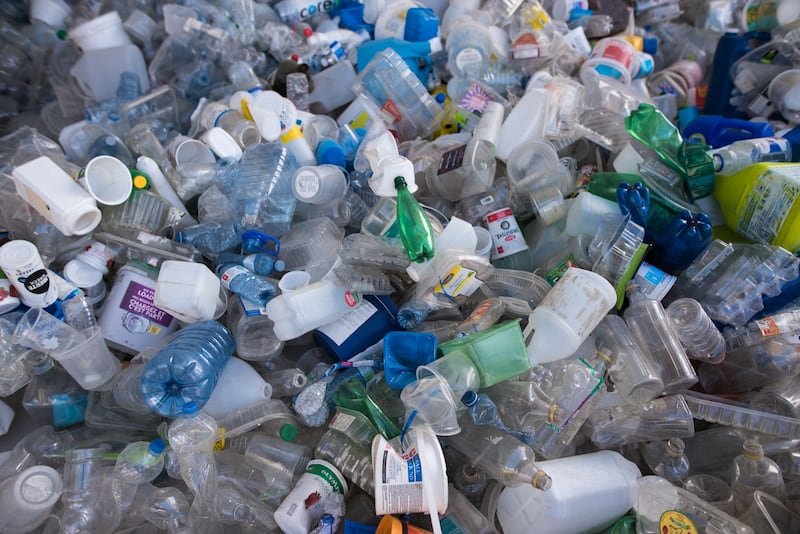
“If there were a couple items that I would like to see gone, it would be plastic bottles and coffee to-go cups, because they’re just endless. We find so many of them… but I know it’s really hard, especially for people in that business,” Byrne with ‘A Greener Future’ said.
Wirsig argues that the federal government should penalize some companies that are still taking part in importing, manufacturing or selling of banned single-use plastic items.
 ‘A big win for environmental protection’: Federal court upholds Ottawa’s plastics ban ‘A big win for environmental protection’: Federal court upholds Ottawa’s plastics ban
“For those businesses that don’t heed that warning, they should be fined and the government is in its full rights to do that,” Wirsig said.
“The government has the legal ability to enforce those bans, so they just need to do it,” she added. “They need to start communicating with businesses, including small businesses that may not have gotten the memo.”
Federal Environment Minister Julie Dabrusin wouldn’t commit to those changes in an interview with CTV News Sunday. However, she said they were celebrating the Federal Court of Appeal’s decision.
“As far as next steps, the circular economy includes some of these pieces,” Dabrusin said.
“I got to visit an organization when I was in Vancouver that actually provides reusable cups in the context of – when there are sporting events and that kind of thing,” she said. “But right now, the most important thing is that we’re moving past this argument about whether plastic waste is a problem and whether the government can take a role in solving that problem.”
“When we hosted the G7, that was one of the topics that we were talking about… about how do we work together to learn more from one another as different countries on building a stronger circular economy,” Dabrusin added. “There’s a lot that can be done,”
CTV News reached out to the Conservative party’s environment critic, Ellis Ross for an interview but did not hear back by the time of publication.
“Today’s court decision will continue to force the Liberals’ unscientific plastics ban on Canadians, making life more expensive for everyone,” Ross said earlier this week.
CTV News also reached out to the Responsible Plastic Use Coalition but did not hear back by the time of publication. However, the coalition told the Canadian Press on Friday, that it is reviewing the decision and considering legal options.
Meanwhile, Lawrence said he would like to see an Ontario-based deposit return program that would allow Ontarians to return pop, water cans and bottles for a refund, before the plastic ban is expanded.
“We had the floods last year; there were thousands of water bottles washed downstream. They will continue to break down in the water,” Warriner added.
“Getting a responsible system for those low-hanging fruit of cans and water bottles would be humongous for the environment.”