
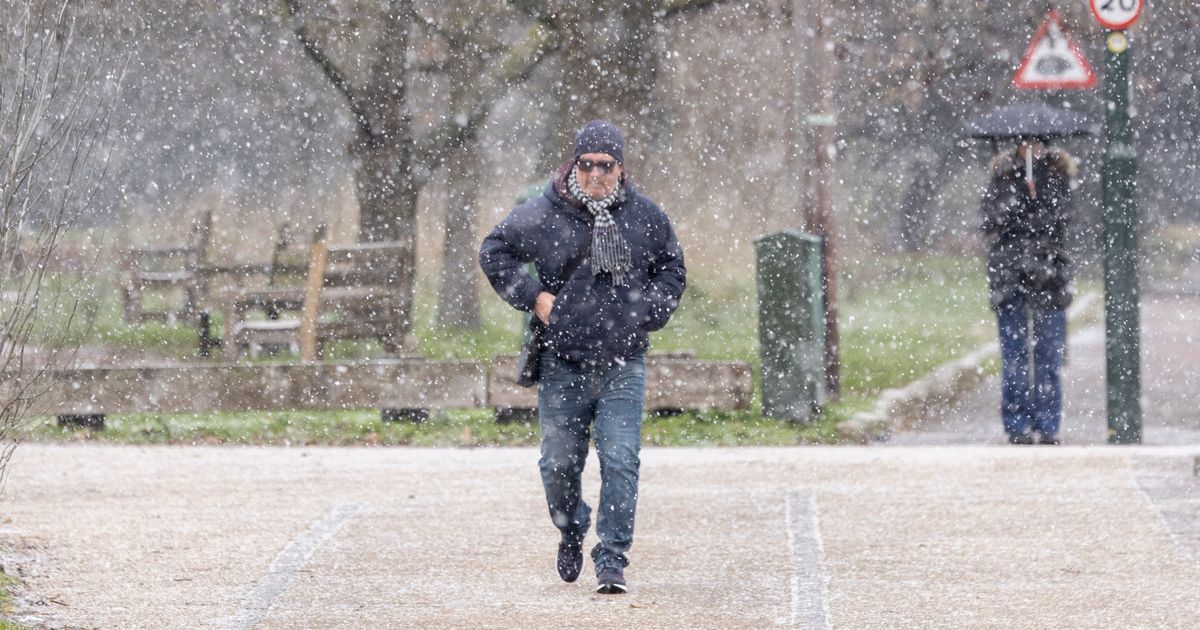
Weather maps have forecasted snow to hit large parts of England including four counties in the Midlands region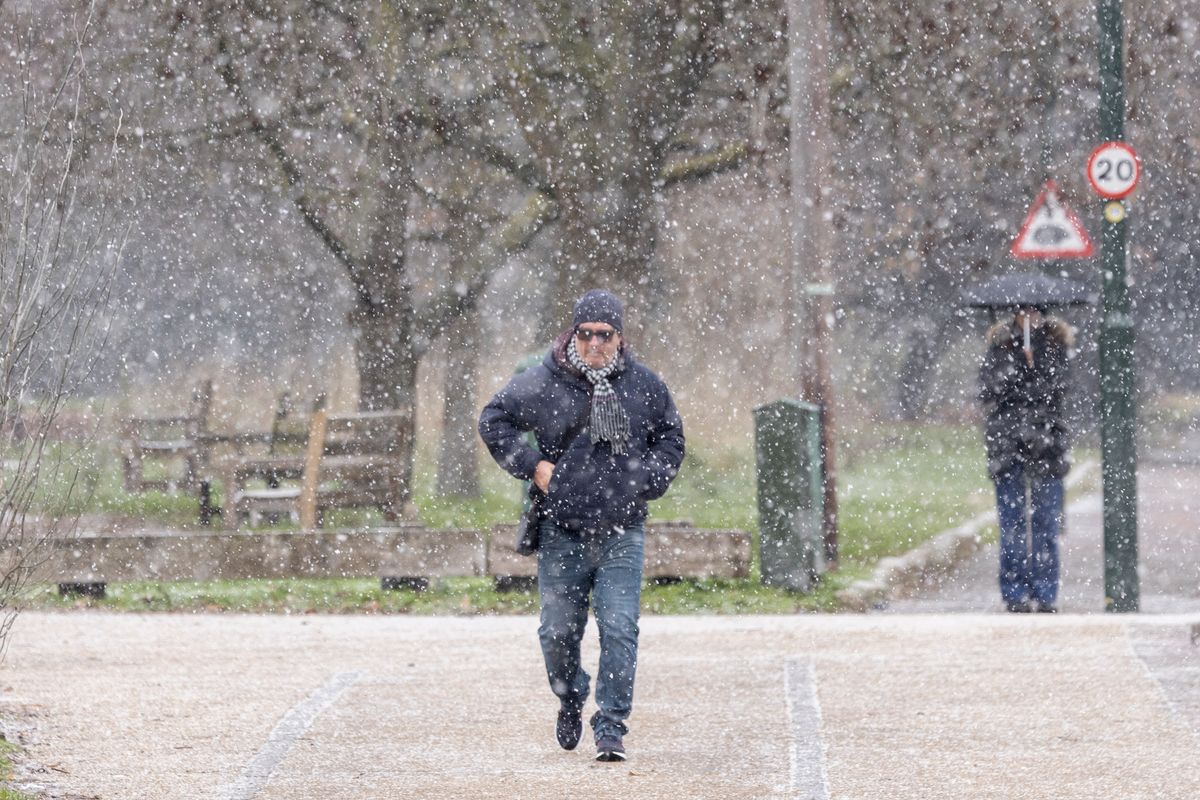
Snow is set to hit 21 counties in England in February
Weather maps have revealed that up to 21 counties in England could face snow next week.
A blanket of snow measuring 245 miles wide could pepper counties across the country on Friday, February 6.
That includes counties in the Midlands region such as the West Midlands, Staffordshire, Shropshire, Worcestershire and Warwickshire.
READ MORE: All the Midlands towns set for 2.8cm of snow with hour of arrival announced
Get breaking news on BirminghamLive WhatsApp, click the link to join
According to WX Charts, up to 2.7cm (1in) of snow could fall on Birmingham at 3pm this Friday.
While in the nearby Black Country, up to 2.8cm (1.1in) could fall on towns and cities such as Dudley, Walsall and Wolverhampton.
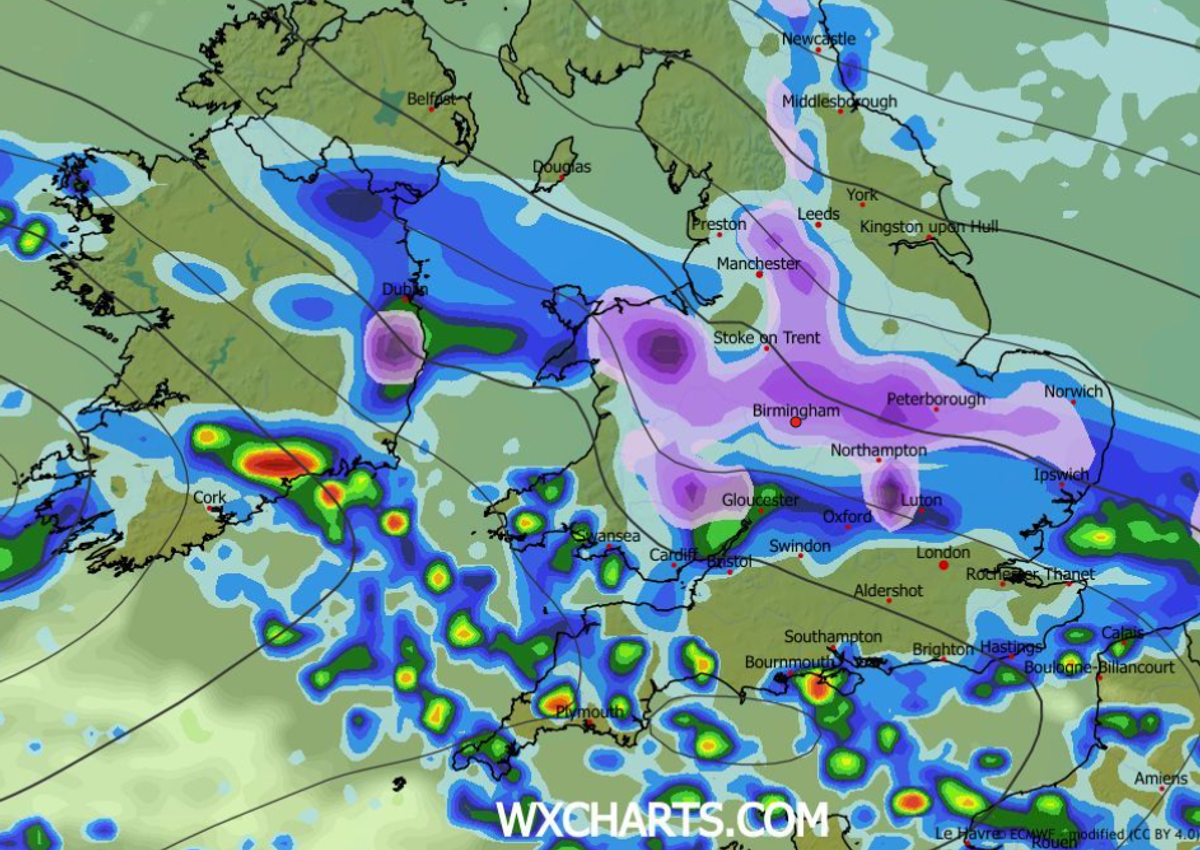
20 counties in England could face snowfall in February(Image: WX Charts)
The following counties in England could face snowfall that day:
West MidlandsStaffordshireShropshireWorcestershireWarwickshireNorth YorkshireLancashireGreater ManchesterWest YorkshireDerbyshireCheshireNottinghamshireLincolnshireLeicestershireRutlandNorthamptonshireBuckinghamshireBedfordshireNorfolkSuffolkGloucestershire
Meanwhile in its long range forecast from February 4 to 15, the Met Office said: “Frontal systems over the Atlantic, steered by a south-shifted jet stream, are likely to approach the UK at times, but tending to stall as they encounter a blocking area of high pressure to the north and northeast.
“This will result in further spells of rain at times, falling in areas already sensitive to flooding.
“As these bands of rain spread northwards, some snow will be possible in northern England and Scotland, mainly over higher ground, as they encounter colder air.
“A subtle shift southwards of these areas of low pressure is anticipated during the second week of February, which may allow a greater chance of colder air to spread across larger parts of the UK, including the south, bringing an increased risk of wintry hazards for a time.”