

Listen to this article
Estimated 5 minutes
The audio version of this article is generated by AI-based technology. Mispronunciations can occur. We are working with our partners to continually review and improve the results.
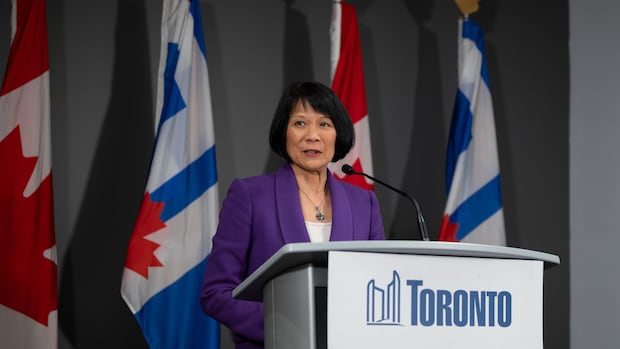
Toronto Mayor Olivia Chow’s final budget before the 2026 municipal election takes place keeps the modest 2.2-per-cent property tax increase proposed in the city’s initial draft of the document, while spending nearly $1.5 billion on both the Toronto Transit Commission and the city’s police service.
Chow’s budget was uploaded to the city’s website Sunday evening following feedback from the budget committee, who heard from city departments and residents throughout the month. The initial version of the budget prepared by city staff was shared on Jan. 8.
While the mayor has yet to announce if she’ll be seeking re-election in 2026, the 2.2 per cent property tax hike would be by far the lowest of her term.
The low increase is possible because of money brought in from raising taxes for home speculators and the top two per cent of luxury homebuyers, Chow told reporters at a news conference on Monday.
“When you live in Toronto, you invest in Toronto,” Chow said on Monday. “Every dollar of tax you pay, every [TTC] ride you take, every fee you pay goes back into making our city more livable and affordable for everyone.”
Her 2024 budget saw a 9.5-per-cent increase, which was the highest in 25 years, as the city faced a $1.8-billion shortfall. Her 2025 budget saw a 6.9-per-cent increase. The budget will be debated by council on Feb. 10.
In the run-up to releasing her budget, the mayor has been pitching it as one focused on affordability.
“A city is a promise we make to each other: if you work here, you should be able to afford to live here,” reads a letter from the mayor attached to the fiscal document. “This budget keeps that promise.”
The 2026 budget includes a 20 per cent tax break for small businesses, up from the 15 per cent.
“[Small businesses] are core to our identity as a city. They’re the fabric of our neighbourhoods,” Chow said. “The family restaurants, the corner stores, the shops run by people who know your name.”
After hearing input from the public during the committee meetings, Chow said, the latest version of the budget also has half a million dollars being put towards housing and social support services.
WATCH | Olivia Chow talks tax rates, transit construction in year-end interview: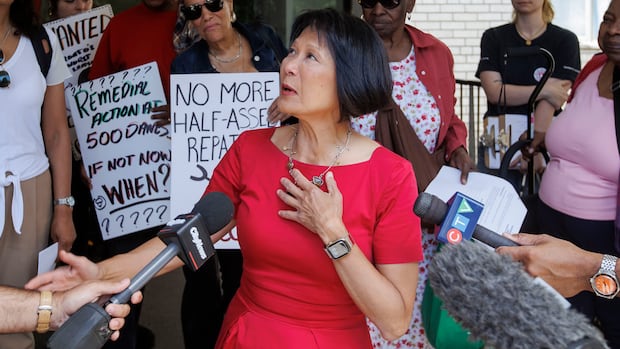
Olivia Chow talks tax rates, transit construction in year-end interview
Toronto mayor Olivia Chow sat down with CBC’s Lane Harrison to discuss what her goals are for the city for 2026.TTC, Toronto police budget asks granted
In the introduction to her budget, the mayor touts a TTC fare freeze and the introduction of fare capping as part of her affordability agenda in 2026. Those initiatives made possible in large part because of a $1.48-billion subsidy for the transit service, which is the amount it requested.
Fare capping is a system which would allow people to automatically ride for free for the rest of the month after taking 47 trips. The program would start in September and mean riders wouldn’t have to pay for a monthly pass up front, which costs $156 — about 47 fares.
The goal is to cap TTC fares after 40 trips next year, Chow said on Monday. She said that goal could be reached earlier depending on ridership.
“We could actually do the 40 rides by September. But all it takes is more people riding it for our revenue to go up,” Chow said
Another city service getting what it wanted is Toronto police, who will receive a $93-million budget increase requested to fund a multi-year hiring plan and a pay raise for officers.
Far smaller police budget increase requests have faced tension at city hall in recent years, including in 2024, when Chow initially rebuffed the force’s ask for a $20-million increase, before relenting and letting the funds flow.
But the request for a $93-million increase was expected to be met more warmly, since the hiring plan was unanimously approved by the board in November 2024 and the new collective agreement was reached between the board and police union in April 2025.
Bradford criticizes reserve spending
The 2026 budget outlines an increase of about $400 million in funding taken from the city’s reserve funds.
Coun. Brad Bradford, who has said he will run again for mayor in the next municipal election, has criticized Chow’s use of the “rainy day” funds since the budget was introduced in January.
“She’s put us in a situation where this bill is going to come due next year and into the future,” Bradford told reporters at city hall on Monday. “It’s going to take a major tax increase to replace those reserve accounts.”
He said the city should conduct a core service review to identify ways the city could cut expenses while delivering services efficiently.
Since the budget’s initial launch, Chow has maintained that the money taken from the reserves was allocated to the funds for specific purposes and is being used as intended.
“We are keeping the reserve as we need them,” Chow said on Monday. “We have not changed any reserve policy.”