
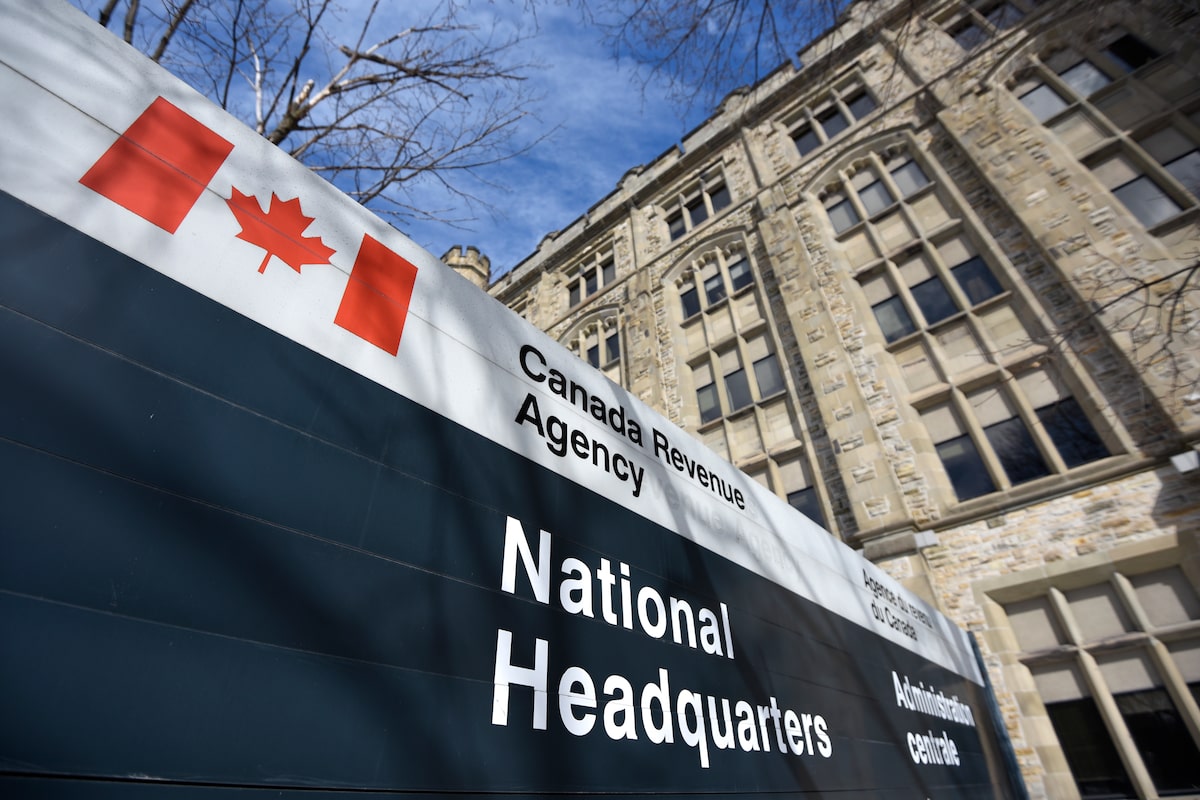
While the federal government prefers to use direct deposit for payments to Canadians, roughly 3.9 million physical cheques have been left uncashed in the past four fiscal years, documents show.Justin Tang/The Canadian Press
Canadians have left more than $2-billion on the table by not cashing millions of paper cheques mailed out by the federal government, documents tabled recently in Parliament say.
The data says roughly 3.9 million paper cheques that were issued to Canadians over the past four fiscal years – worth $2,159,665,155 – went uncashed.
They included various tax refunds, pension cheques and benefits issued by the Canada Revenue Agency and other departments.
Canadians failed to deposit roughly $141-million in Canada Carbon Rebate cheques and $50-million in Climate Action tax credits issued to residents of B.C. – cancelled rebates that were designed to offset the cost of carbon pricing.
MPs agree to fast-track GST credit bill through Commons
Even though those rebate programs have ended, government cheques never expire and can be replaced if they are lost or damaged.
Taxpayers can check their Canada Revenue Agency accounts to see whether they were issued cheques they never cashed, or call the agency by phone to find out.
Roughly $42.8-million in cheques issued to families through the Canada Child Benefit – a tax-free monthly payment meant to help with the expense of raising children – also went uncollected.
The federal government prefers to pay Canadians by direct deposit and only 8.51 per cent of total federal payments are made by cheque. Many agencies still issue large numbers of cheques.
The administrative cost for the government to issue a cheque is about $1.83. That means issuing the 121 million cheques mailed out from April 1, 2022, to Sept. 30, 2025, likely cost taxpayers about $222-million.
Explainer: New Canadian laws and rules in 2026, and how they’ll affect you
The information was disclosed in a government response published by Parliament on Jan. 26 to a research question posed by Conservative finance critic Adam Chambers.
Prepared by Public Services and Procurement Canada, the response states that it’s up to individual departments and agencies to manage their transition away from paper cheques.
It also said the federal government had at one point explored creating a prepaid card program for some government payments. Ottawa decided that would be too expensive compared to direct deposit, and Canadians were largely against the idea of introducing prepaid cards.