
What to know
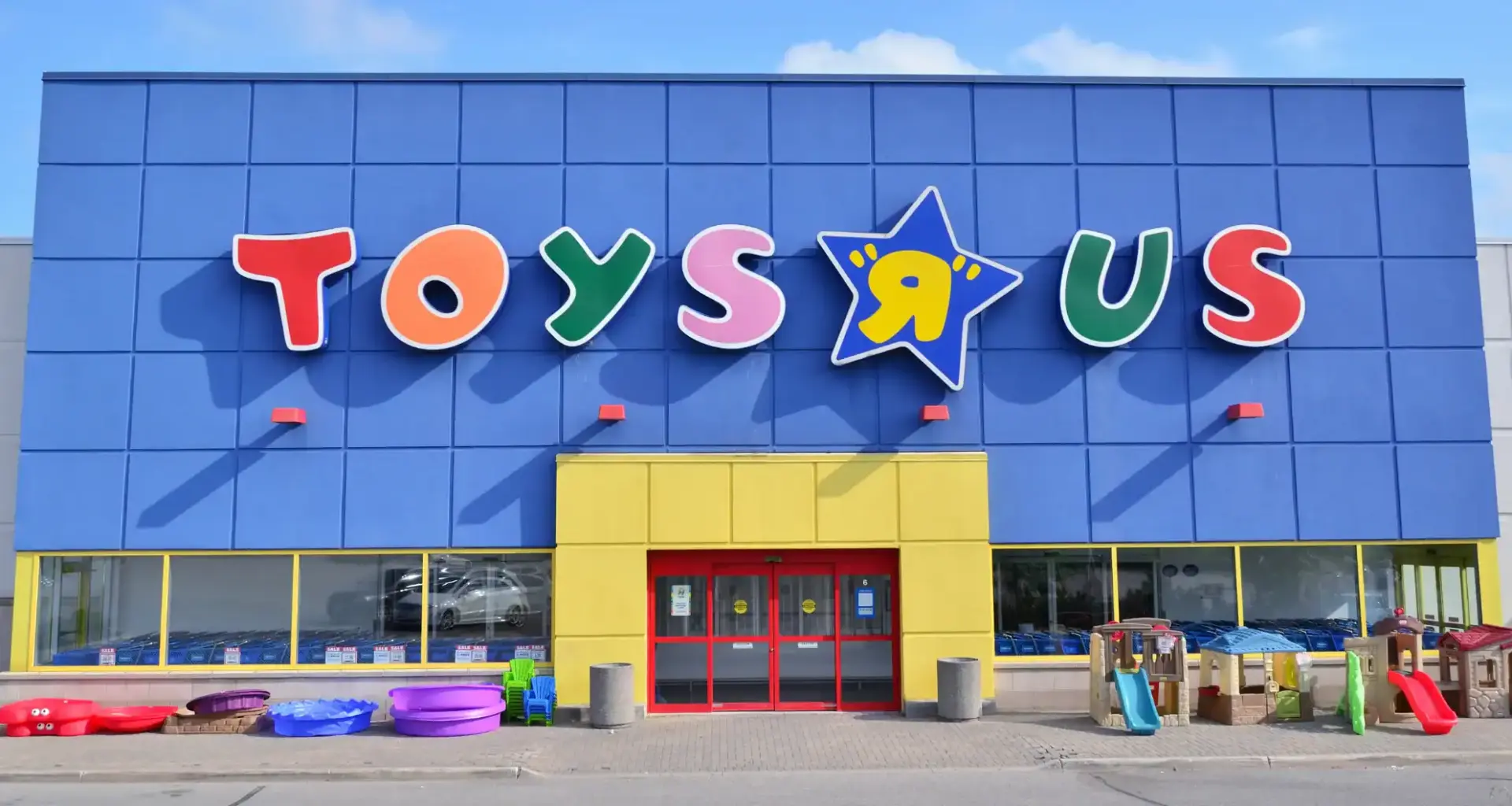
The Toys “R” Us in North York has closed after failing to pay rent, prompting a lawsuit from RioCan Lawrence Allen Centre.
This is just the latest Toys “R” Us location to shut down in Canada. Only 22 locations remain.
Consumer behaviour expert Daniel Tsai says consumer toy purchasing trends have shifted online, effectively ending the big-box toy store era.
A Toys “R” Us store in North York has been hit with a lawsuit after failing to pay rent, making it the latest location to shut down in Canada.
RioCan Lawrence Allen Centre filed a lawsuit against Toys “R” Us and terminated its lease after the toy store defaulted on rent.
Read More
This is the latest Toys “R” Us to close after the chain was acquired by Fairfax Canada in 2018, which was then bought by Sunrise Records owner Doug Putman in 2021.
Prior to its acquisition, Canada had 81 Toys “R” Us stores. The website now lists only 22 stores, with the majority in Ontario. The rest are scattered across Alberta, Manitoba, Quebec. The remaining two Saskatchewan stores in Saskatoon and Regina are closing imminently, according to media reports.
The end of big-box toy stores?
With the Toys “R” Us era seemingly over in Canada, does this spell the death of big-box toy stores?
Daniel Tsai, an assistant professor in business and marketing at Queen’s University, says competition from online retailers like Amazon has effectively killed the in-person experience of going to chains like Toys “R” Us.
“There’s fierce competition from online retail. So, instead of buying toys the old fashioned way, where you go into the store, try the toy out and there’s a tactile, visual, sensory experience, that’s been replaced by shopping online at retailers like Amazon and other online stores,” Tsai says.
“It’s a shift in consumer shopping behaviour towards online purchases of toys. I think people find it probably more inconvenient to have to drive to a Toys “R” Us or go to a big-box store to get their toys.
Tsai says stores like Walmart and Costco have taken over in-store toy sales, as they have dedicated toy sections amongst groceries, home goods and clothing.
He points to technology becoming more accessible as another catalyst for the downfall of Toys “R” Us. Tsai points to parents keeping their kids busy with video games or mobile apps.
“Changes in consumer behaviour and toy buying behaviour are, kids are moving away from some of the traditional toys to video games, and that’s become a replacement for the tactile, physical toy world.”
Future toy trends
The toys that will dominate the market in the next few years, says Tsai, will probably lean towards trends like the Labubu and blind boxes.
“What will happen is greater fragmentation where niche toy trends will become popular and drive the market forces. For example, things like Labubus or other trendy toys that will capture people’s imagination,” he says.
With the rise of Artificial Intelligence and its inevitable integration into daily life, Tsai thinks it’ll have “a role to play in education, entertainment and toy marketplaces.”
“We already see it now, people are using AI apps as their entertainment. Adults already do it and kids are extremely vulnerable.”