
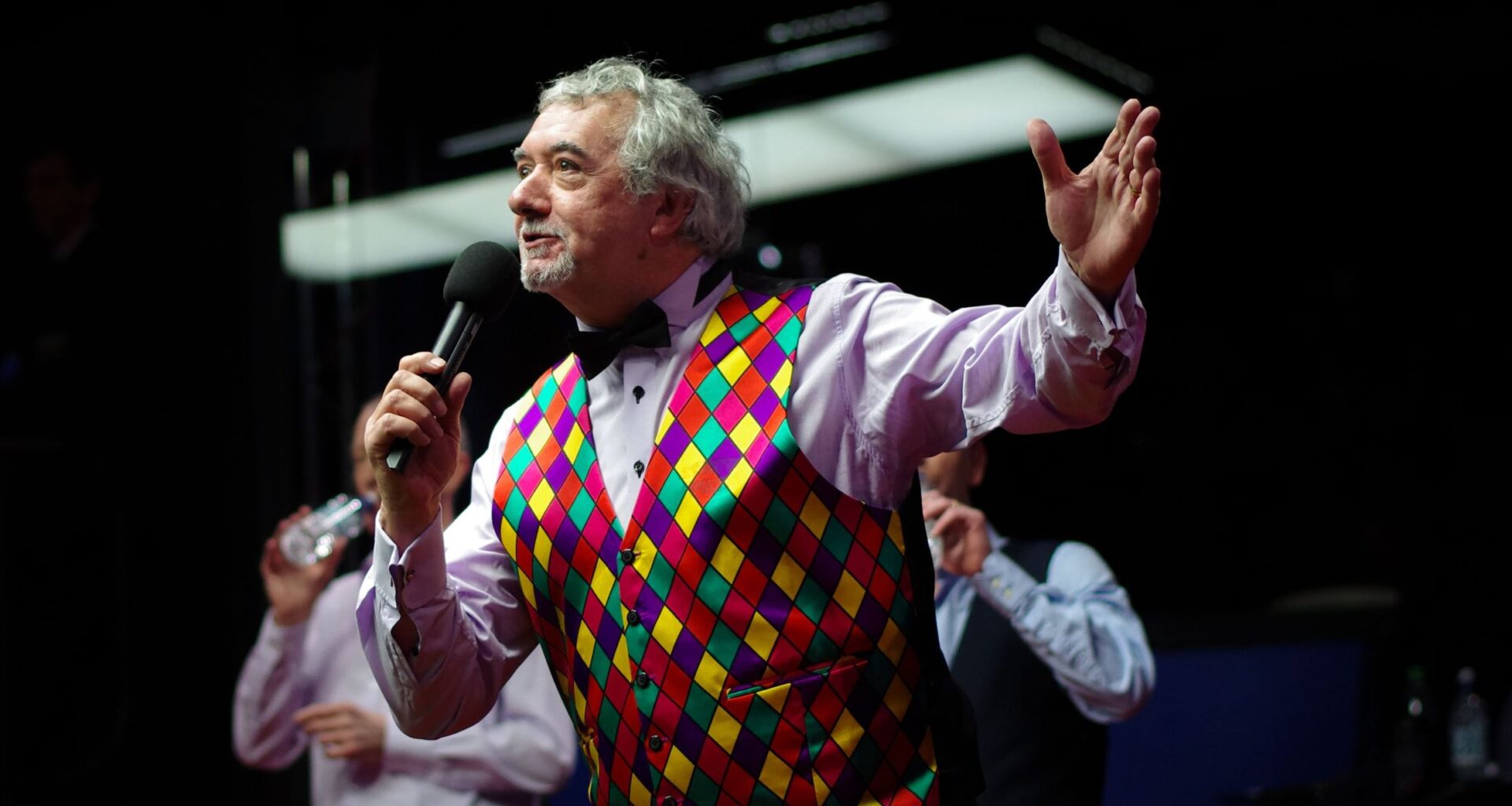
John Virgo
Image credit: Getty Images
John Virgo, who has died at the age of 79, played many varied roles in the story of snooker.
First and foremost, he was a player, whose career highlight came in capturing the 1979 UK Championship.
In later life, he became one of snooker’s most recognisable and popular personalities, a respected commentator and elder statesman of the game.
Virgo was born in Salford in 1946 and lived close to a snooker club. “It was a shilling to join, so I took the glass bottles back to the off licence to get the money for membership,” he told me when I interviewed him in 2024.
Snooker at this time was part of a mistrusted sub-culture and the game did not meet with parental approval.
“I’d been in there a few times and one night got back late,” Virgo recalled. “My father wasn’t happy. “He thought snooker clubs were dens of iniquity, that I shouldn’t be going in them. He didn’t like their reputation.”
For two years, Virgo did not set foot in the club but returned at the age of 15, won the British under-16 title and never looked back.
The professional game was virtually non-existent in the 1960s and Virgo did not turn professional until the age of 30 in 1976, snooker having become a fixture on television screens through the BBC’s Pot Black programme and increasingly popular with the emergence of Alex Higgins.
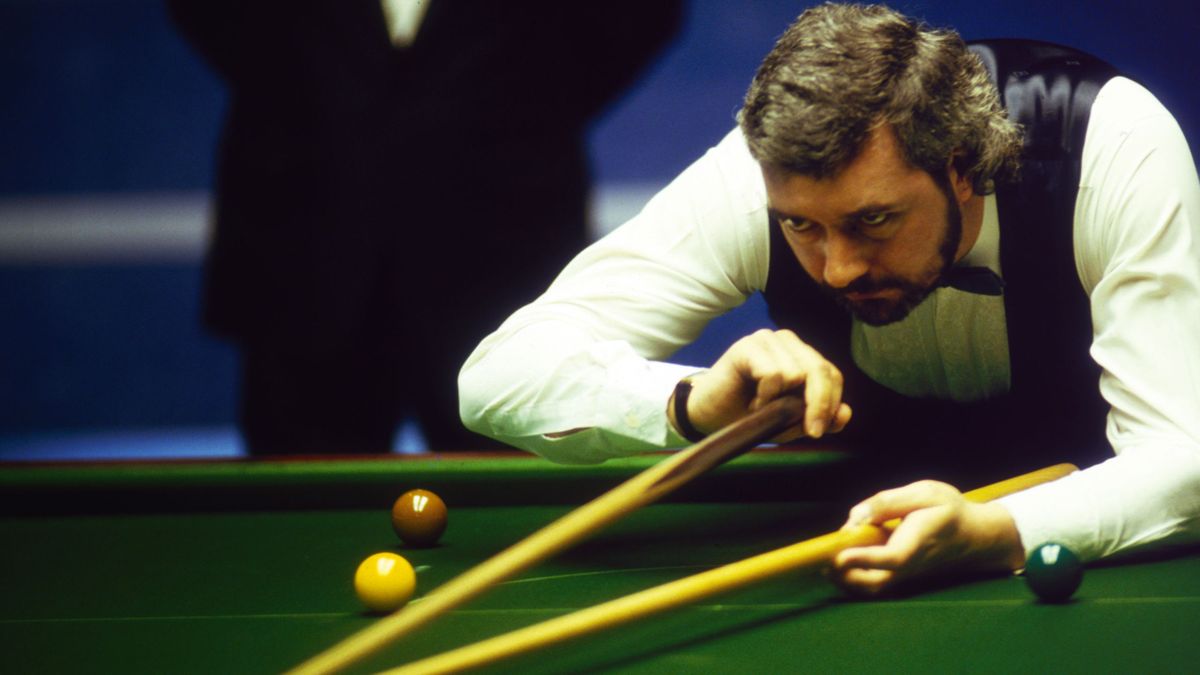
John Virgo
Image credit: Getty Images
With the sport now taking off, Virgo was part of the cohort for the first World Championship to be played at the Crucible in Sheffield in 1977 and reached the semi-finals in 1979, losing to Dennis Taylor.
Later that year, he experienced what he would call “the best and worst day of my career” when he faced Terry Griffiths in the UK Championship final in Preston.
Play on the final day was brought forward by an hour to guarantee television coverage, but Virgo, in a hotel several miles away, was unaware. By the time he reached the venue, he had been docked two frames, so his 11-7 lead had been reduced to 11-9.
Griffiths then won the next two to draw level at the interval. “I went to my dressing room and Terry knocked on the door,” Virgo recalled.
“He said, you know this isn’t my idea, shall we share the money? I wasn’t interested in the money, I just wanted to win.
“I managed to win the next frame, but I looked round, and the cameras were there with nobody operating them. There was an industrial dispute.
“Terry went 13-12 in front and I sat there thinking: ‘this is the story of my life’. I’ve thrown it away. All of a sudden, the thoughts went out of my head and I won the last two frames, but I have no record of it.”
Virgo enjoyed a highest ranking of 10th and became a familiar face in the 1980s, not just through playing.
One year, play finished early at the Crucible, and he stepped in to entertain the audience, doing impressions of the other players, which proved so popular that it became a regular gig.
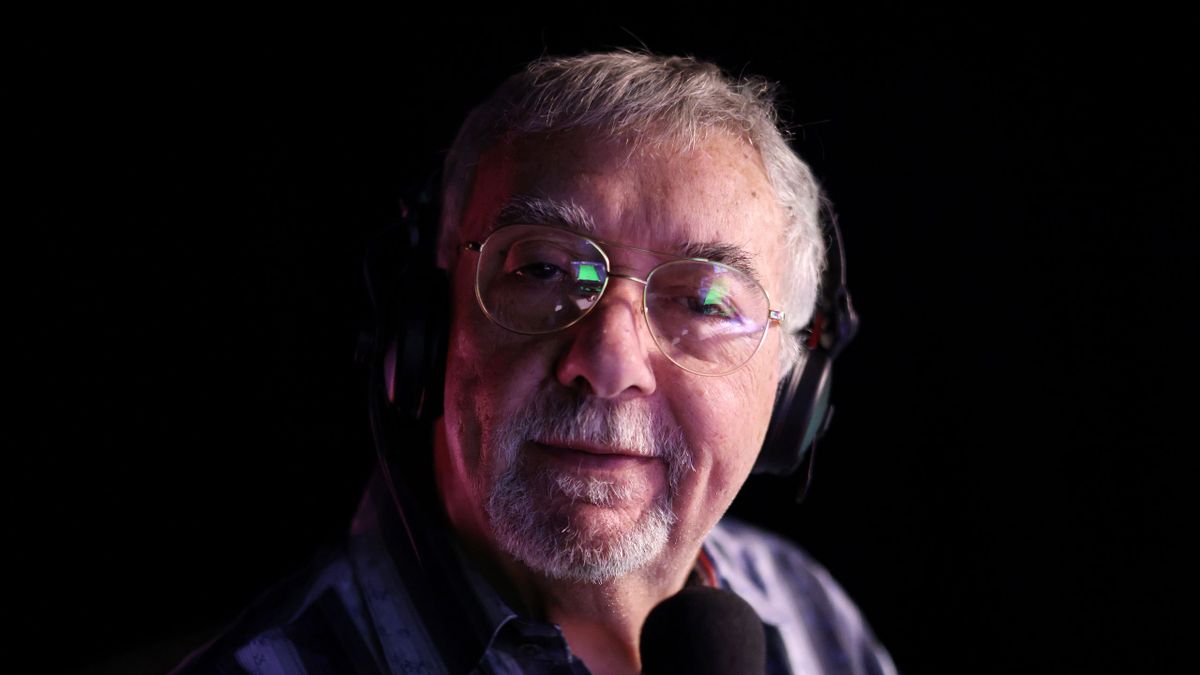
He joined the BBC commentary team in 1985, initially alongside legends of the microphone like Ted Lowe and Clive Everton, before becoming a lead voice himself, famous for catchphrases such as “where’s the cue ball going?”
His great ability as a commentator outside of analysing the play was to build drama through the cadence of his voice. He gave matches a sense of occasion, recognising that top-level snooker is theatre as much as sport.
He also utilised his great sense of humour to provide moments of light and shade behind the microphone. His last commentary came a few weeks ago at the Masters final.
John Virgo
Image credit: Getty Images
Virgo’s profile also saw him hired as Jim Davidson’s sidekick on the popular 1990s game show Big Break – a spin-off of which had appearances in pantomimes and various entertainment shows of the time.
In 1988, he became chairman of the World Professional Billiards and Snooker Association, although the demands on his time resulted in his game declining. He retired as a professional in 1994.
Virgo had many friends in the snooker world and beyond. In 2023, he was inducted into the World Snooker Tour Hall of Fame in recognition of his vast contribution to the sport.
Snooker remained in his blood to the end. He had gone from being banned from playing by his father to a much-loved celebrity, seeing first hand the sport’s rise to prominence.
“To say we were living the dream would be an understatement,” he told me. “It was beyond our wildest dreams. They were great times.
“You’re playing a game you love and earning a living out of it, but you’re also being accepted by the country. You’re getting mentioned in places you never thought would mention you.
“To think that kids like us would walk into a snooker club one day with torn trousers. We never thought we’d make a living from it, we were just happy to be good at it. Being a professional, playing on the TV, never in our wildest dreams, ever.”