
A BBC report on sinking cities around the world explains that groundwater is found beneath the Earth’s surface in cracks and spaces in sand, soil and rock, making up about half of the water used for domestic purposes.
According to the Environment Agency, external (EA), groundwater flooding occurs when the level of water within the rock or soil underground, known as a water table, rises.
“When the water table rises and reaches ground level, water starts to seep through to the surface and flooding can happen,” the EA says.
That means it may rise up through floors or underground rooms such as cellars and basements.
“Flooding from groundwater is most common in areas where the underlying bedrock is chalk, but it can also happen in locations with sand and gravel such as in river valleys,” the EA adds.
“Some parts of the country are more prone to groundwater flooding than others – such as Dorset.”
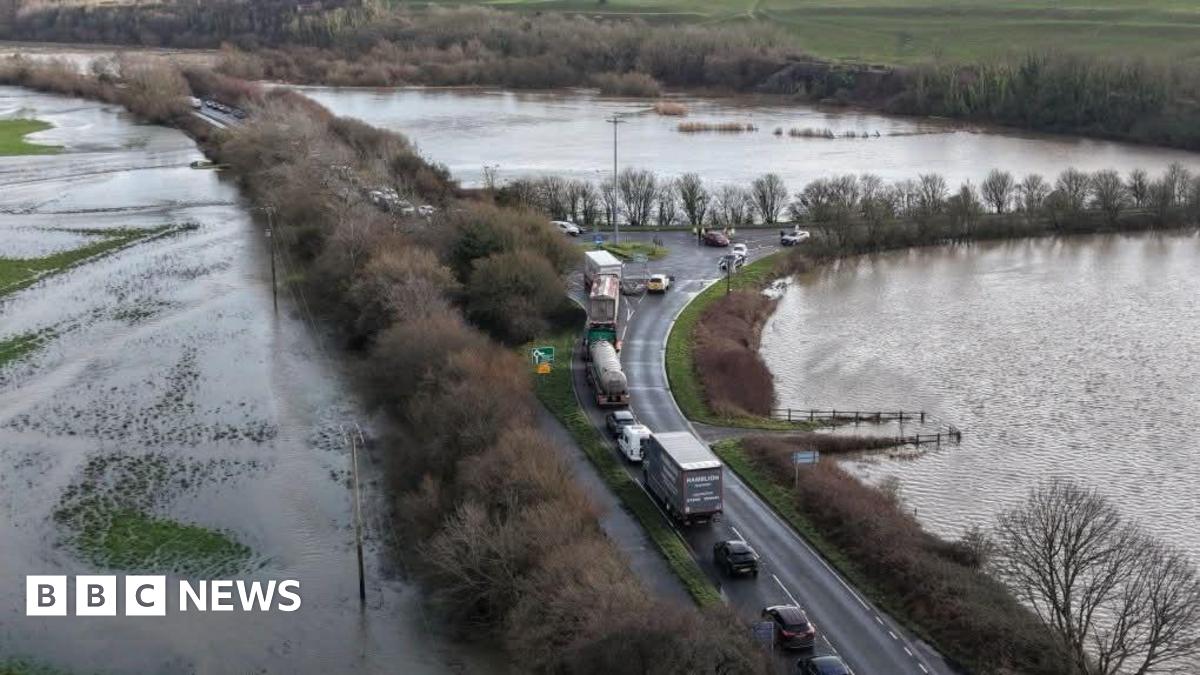
It affects homes, businesses and can lead to overflowing sewers, which happened across Dorset, Hampshire, and Oxfordshire following the recent period of heavy rain and Storm Chandra.
In 2024, a fleet of tankers was even brought in to draw groundwater from flood-hit areas of Berkshire.
In cases such as these the EA permits rain and groundwater to be pumped from sewers.