
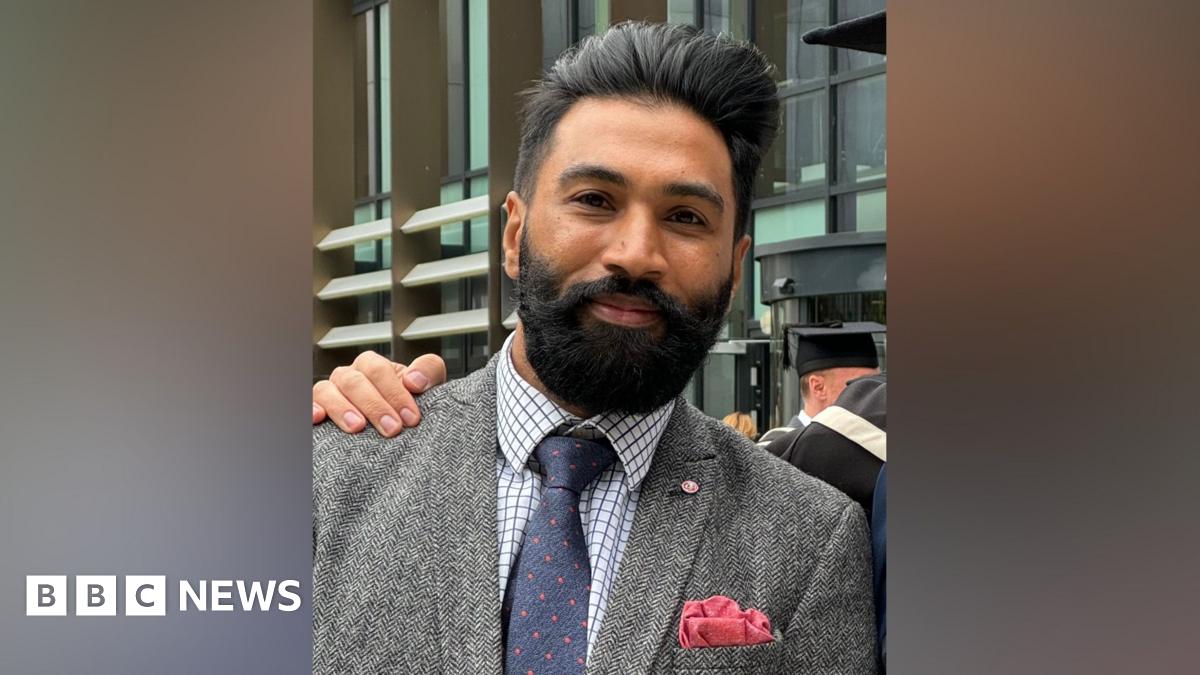
Rajah said he had suddenly been approached by three Sainsbury’s staff, including a security guard, and questioned about whether he shopped there regularly.
He described how one of the staff members had looked between him and a phone in her hand, before nodding to her colleagues. Rajah was then told to leave the supermarket.
When he asked why, he was directed to a poster in the shop’s front window about the use of facial recognition technology and told to contact Facewatch.
When he got in touch with Facewatch, the company confirmed he was not on its database, and told him “Facewatch did not play any part in [him] being approached at the store”.
He was redirected to Sainsbury’s, which apologised and offered him a £75 shopping voucher.
In order for Facewatch to verify that Rajah was not on its system, he had to send a copy of his passport and photo of himself.
Facewatch told the BBC that, to comply with the law, it needed to conduct “appropriate identity checks” before it could “confirm or disclose sensitive information”.
But Rajah questioned why it had taken him giving his personal information to a third party to understand what had happened to him and prove he was misidentified.