
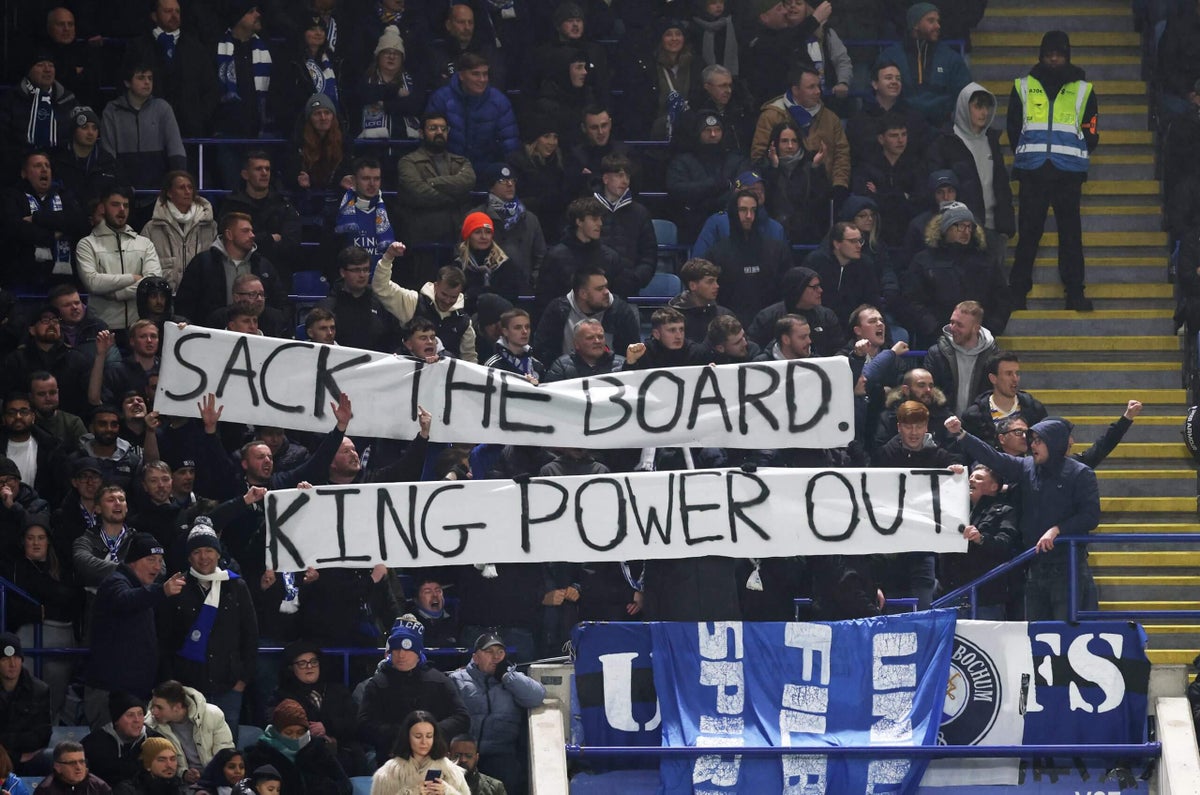
And just like that, Leicester City found themselves embroiled in a battle against relegation to the third tier.
Confirmation filtered through on Thursday evening that the Championship club were subject to a six-point deduction, handed down by an independent commission, for breach of the English Football League’s profit and sustainability rules (PSR). The sanction leaves a side who are currently without a manager, following the sacking of Marti Cifuentes last month, outside the second division’s bottom three on goal difference alone.
Just a decade ago, Leicester were en route to being crowned champions of England, defying odds of 5,000-1 to claim the title in only their second season back in the top flight. They are one of only seven clubs to have lifted the Premier League trophy. It is less than five years since they won the FA Cup for the first time in their history.
They were a team who regularly challenged the established domestic elite. Twice, they came agonisingly close to Champions League qualification in consecutive seasons under Brendan Rodgers. There was a run to the semi-finals of the UEFA Conference League, too.
But if Leicester’s dramatic rise under the ownership of the Srivaddhanaprabha family and their King Power business empire was meteoric, their decline over the past three and a half years is proving to be equally astonishing.
These days, they are a club facing up to the possibility of sliding into third-tier League One for only the second time in their 142-year history.
So how did it come to this?
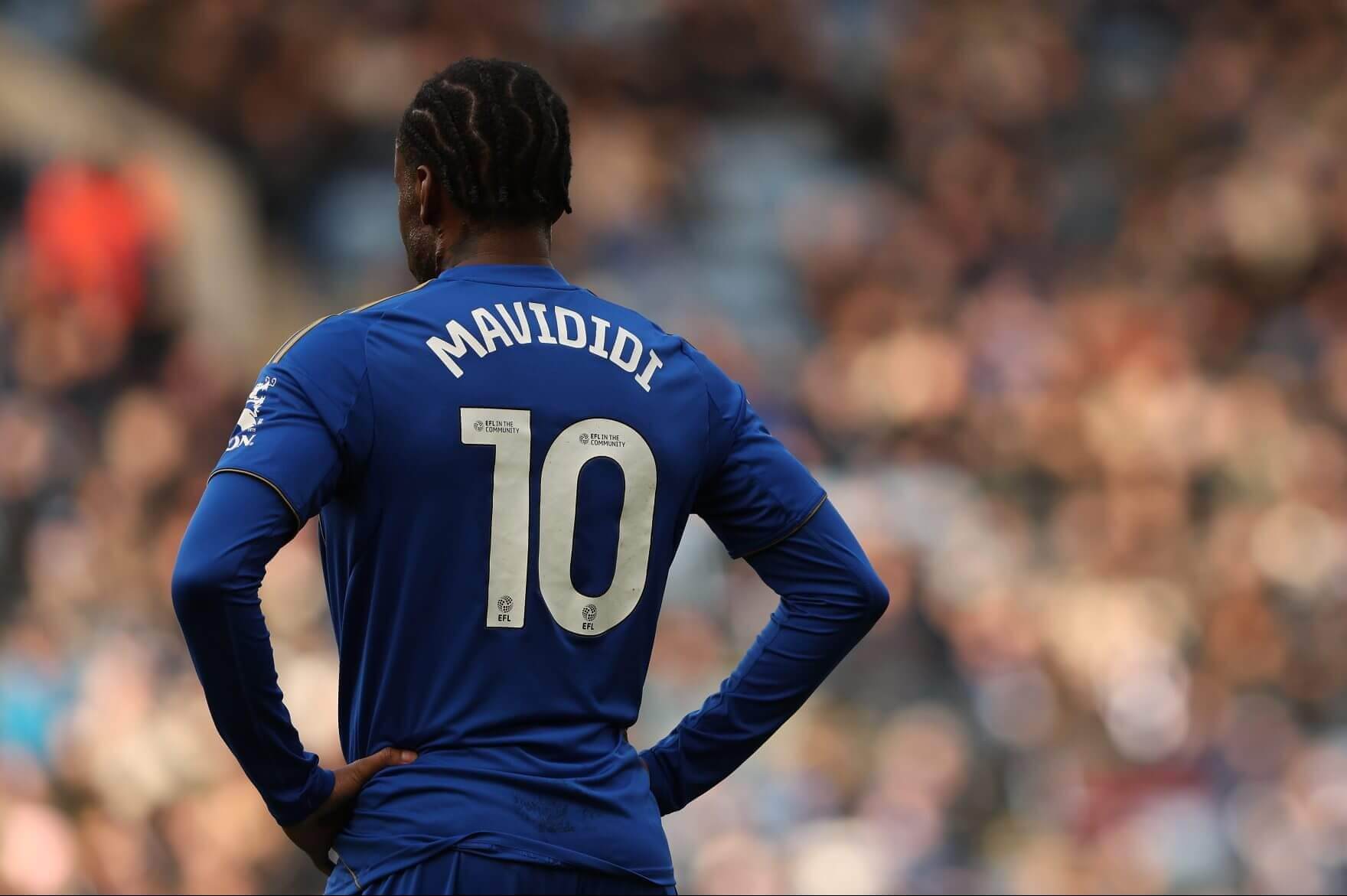
Stephy Mavididi watches on as Leicester City slip to defeat against Charlton Athletic last weekend (Stephen White – CameraSport via Getty Images)
When Leicester were relegated from the Premier League for the second time in three seasons last summer, there was some belief that they would repeat the feat of two years ago and bounce straight back up into it.
That confidence was a little more muted than it was when new manager Enzo Maresca was handed the reins — and the largest budget in Championship history — and asked to restore the club to the elite in summer 2023. But, nonetheless, there was anticipation that the newly-appointed Marti Cifuentes still had the resources to at least finish top six to reach the play-offs.
After all, he had inherited a squad that contained some experienced international-level players.
But for those who knew the true state of the club, after several seasons of posting crippling financial losses that had pushed them to the PSR edge, and the extent of rebuilding required, expectations were rather more tempered. They knew, also, what was potentially coming down the line in terms of sanctions for three charges of breaking the EFL’s PSR rules for that promotion season of 2023-24.
The reality was always that this campaign would end up about survival.
It certainly is now, after a points deduction that Leicester consider “disproportionate”. They have described the original sanction sought by the Premier League as “unprecedented” as they consider their next steps.
The Premier League and the EFL may even believe this six-point sanction to be far too lenient. Indeed, The Athletic has been told sources familiar with the case — speaking on the condition of anonymity to protect their positions — that the top flight was originally seeking a significantly larger points penalty.
Regardless, Leicester have been in a spiral of decline since the end of the 2021-22 season when then manager Brendan Rodgers first spoke about his squad needing a refresh — a statement that felt surprising considering the club’s previous achievements. It proved to be a warning of what was to come.
In 2022, Leicester knew they had been sailing close to the wind with PSR as their expenditure continued to outstrip revenue, resulting in a loss of £92.5million ($124.8m). Those near misses in not reaching UEFA’s hugely-lucrative elite club competition, finishing fifth in 2020 and 2021, were Sliding Doors moments. Champions League qualification could have justified the ambitious-but-risky approach by swelling revenues.
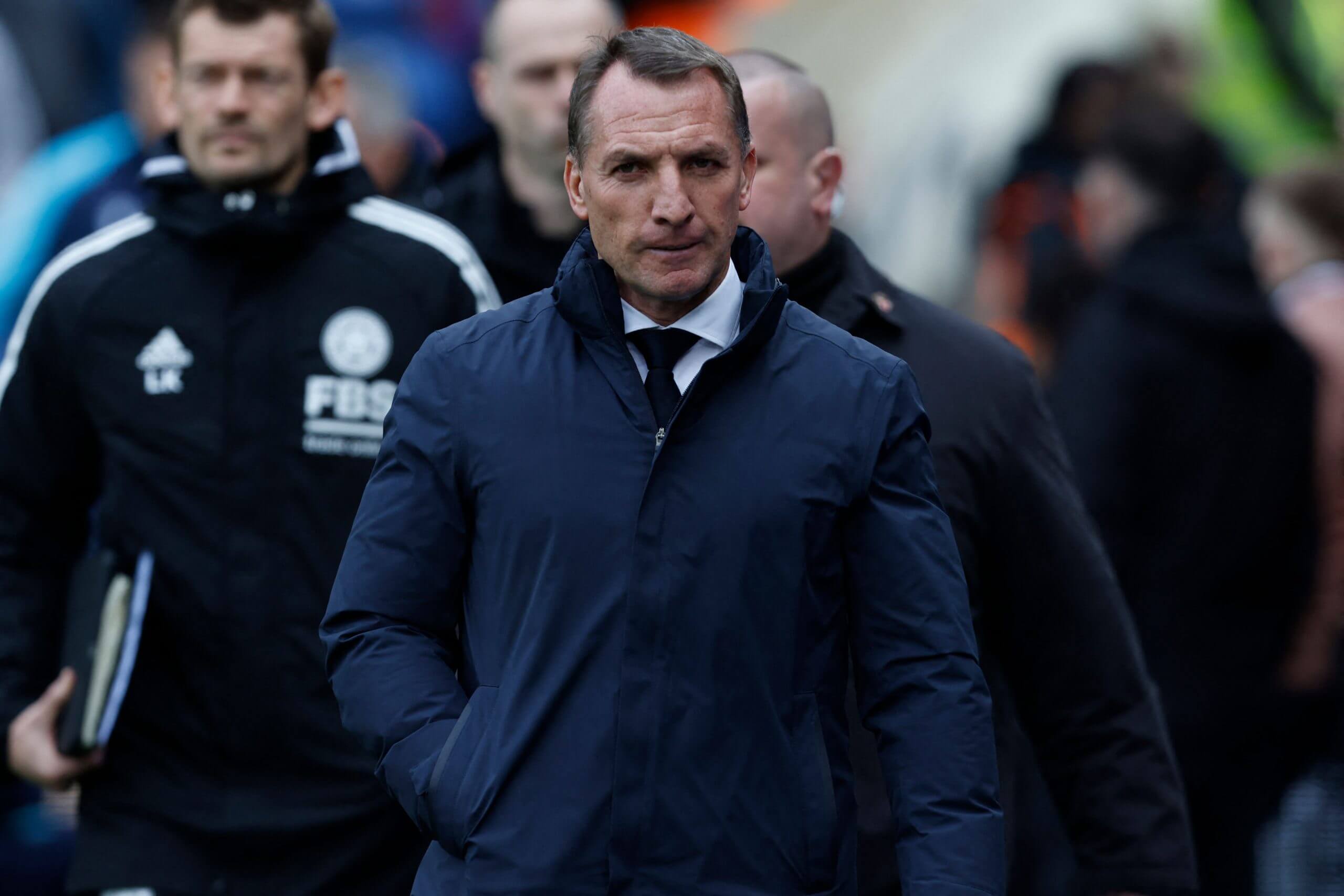
Brendan Rodgers walks to the dugout at Crystal Palace for what proved to be his last match as Leicester manager (Ian Kington/AFP via Getty Images)
Even as they digested those huge losses, they finished eighth in the 2021-22 Premier League. Their shock relegation the next season was seen as a cataclysmic collapse, but even when they won the Championship title under Maresca in 2024, the issues that had dragged them into the second tier had still not been addressed.
These were exposed for all to see once more when they were relegated again last May.
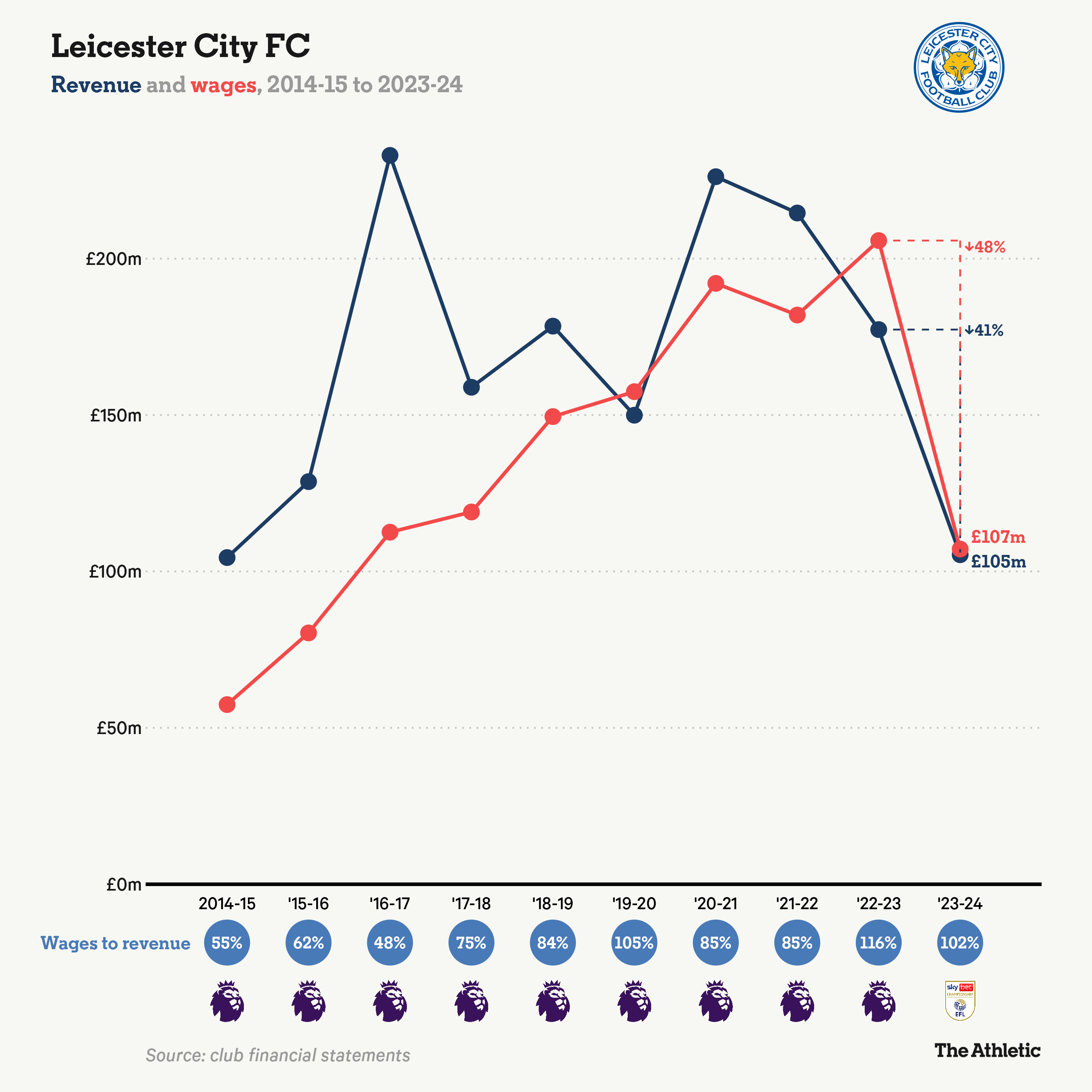
For the past four seasons, Leicester have been hoping they had already hit rock bottom and could start to rebuild again. Yet even now, with their fate confirmed by the independent commission, the fear is that they still could slip even further before they can start to climb back towards the elite.
At boardroom level, there is a void of leadership. After the departure of chief executive Susan Whelan, chairman Aiyawatt Srivaddhanaprabha (known as Khun Top) stepped in as interim CEO, but has been kept away from the club for long periods due to his commitments to King Power and the mourning period for the death of Thailand’s Queen Mother Sirikit in October.
Khun Top said recently that the Covid-19 pandemic had dramatically affected the club’s finances at a time when they were committed to larger contracts to chase the European dream. He did appoint Kamonthip Netthanomsak as an interim managing director, but no permanent appointments have followed.
The club are also trying to appoint a technical director to work under director of football Jon Rudkin, charged with managing the sporting side of the operation. They are also looking to fill the crucial role of commercial director. In the meantime, the club’s leadership group is decidedly light on personnel.
Khun Top and Rudkin have been the focus of fan anger, which has been building over several seasons and culminated in an organised boycott of the West Bromwich Albion game at the start of January. Although the official attendance given for the King Power Stadium that day was 27,130, the figure included season-ticket holders who had chosen to stay away. In reality, there were significantly fewer than that in the stands, with large areas of empty seats.
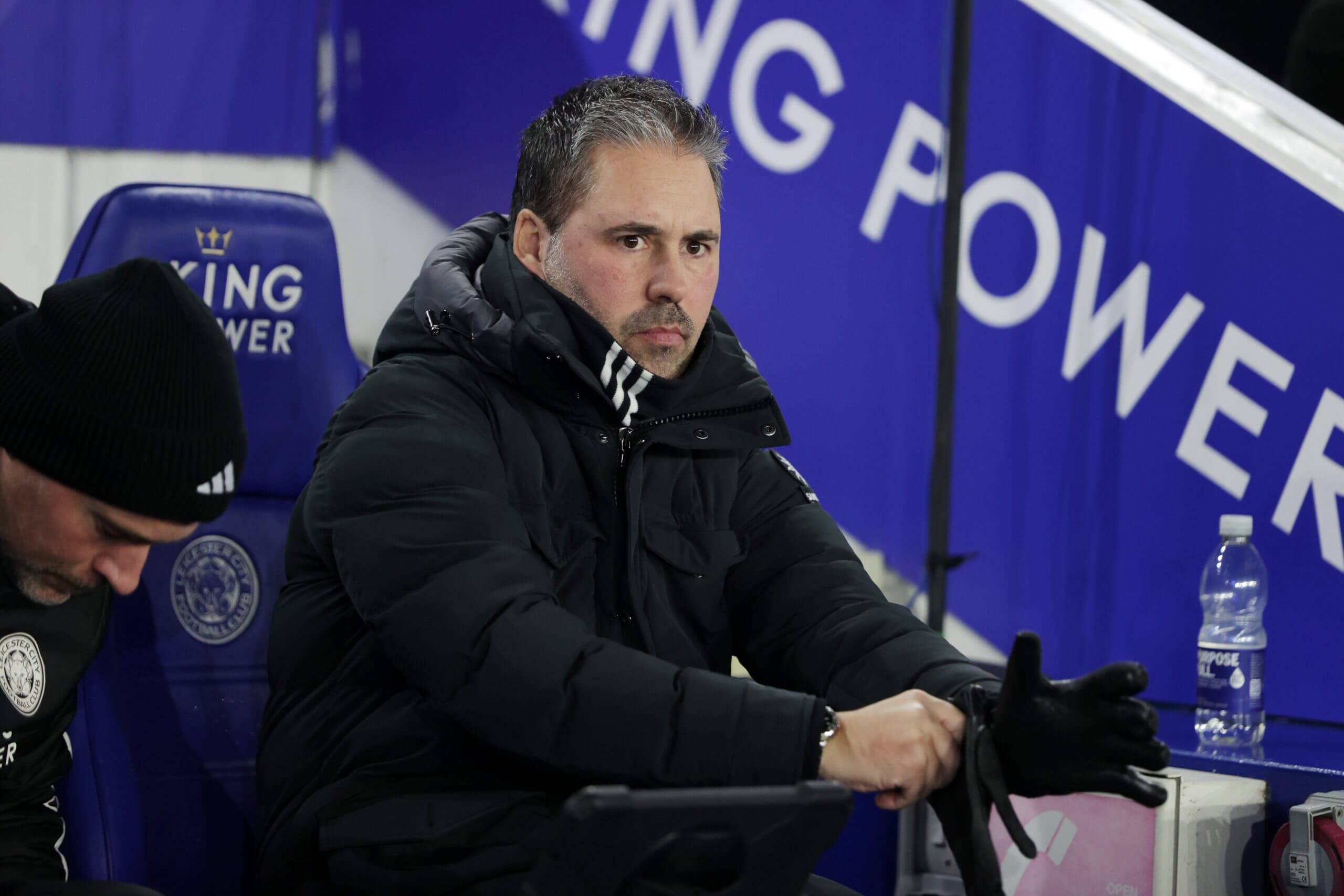
Marti Cifuentes watches Leicester beat West Bromwich Albion last month (Plumb Images/Leicester City FC via Getty Images)
Winning back the hearts and minds of supporters will be difficult and the efforts of Khun Top to be more open will not be helped, inside and outside the club, by own goals such as the decision to change their payroll procedure to be in line with that of King Power. As a result, staff were not paid before Christmas but, instead, received their salary on the last day of December.
Stewards were told they would not receive their £10 meal voucher for the Derby County game on December 29 because of a misunderstanding around ordering enough pies for that match — another avoidable mistake. The issue was rectified, but the public damage had been done.
An upturn on the pitch was the only thing that could partially appease an increasingly disenfranchised fanbase, but that has also been a struggle, leading to the departure of Cifuentes after a 2-1 home defeat to Oxford United on January 24. That game was the first Leicester fixture Khun Top had attended for two months and the performance, coupled with the toxic atmosphere, proved to be the final straw.
Leicester have yet to put in a complete 90-minute performance this season. The only consistency in their displays has been defensive fragility; they are currently 24 games without a clean sheet in the Championship.
Victories over Derby and Ipswich Town had briefly suggested they might have turned the corner, but there have also been some shocking displays. They were three goals down by half-time away to Southampton and at home to Sheffield United in back-to-back November fixtures, and 4-0 down by the break at Queens Park Rangers just before Christmas, sparking mass walkouts by supporters close to breaking point.
Cifuentes was the fifth manager to take charge since Rodgers’ departure in April 2023. Even with the club’s former midfielder Andy King fulfilling a role as caretaker boss, another dismissal with its associated compensation pay-off will not help the club’s efforts to meet the next round of PSR regulations.
The biggest cause of the PSR breach was the failures of previous transfer windows and the award of lucrative contracts to players who have not repaid the club’s commitment with performances. Those deals have proved to be a weight around Leicester’s neck, dragging them further into the mire.
Belgium international defender Wout Faes featured prominently in the promotion campaign two years ago, but his only experience of the Premier League had been two relegations. Leicester have now sent him to Monaco of France’s Ligue 1 on loan for the rest of the season, with a view to a permanent move. But, aside from Boubakary Soumare, who joined Qatar Stars League club Al Duhail last month, they tried but failed to shift other big earners during the winter window.
Interested clubs have been reluctant to offer similar financial packages for players who know they will not receive terms as generous as their Leicester contracts elsewhere.
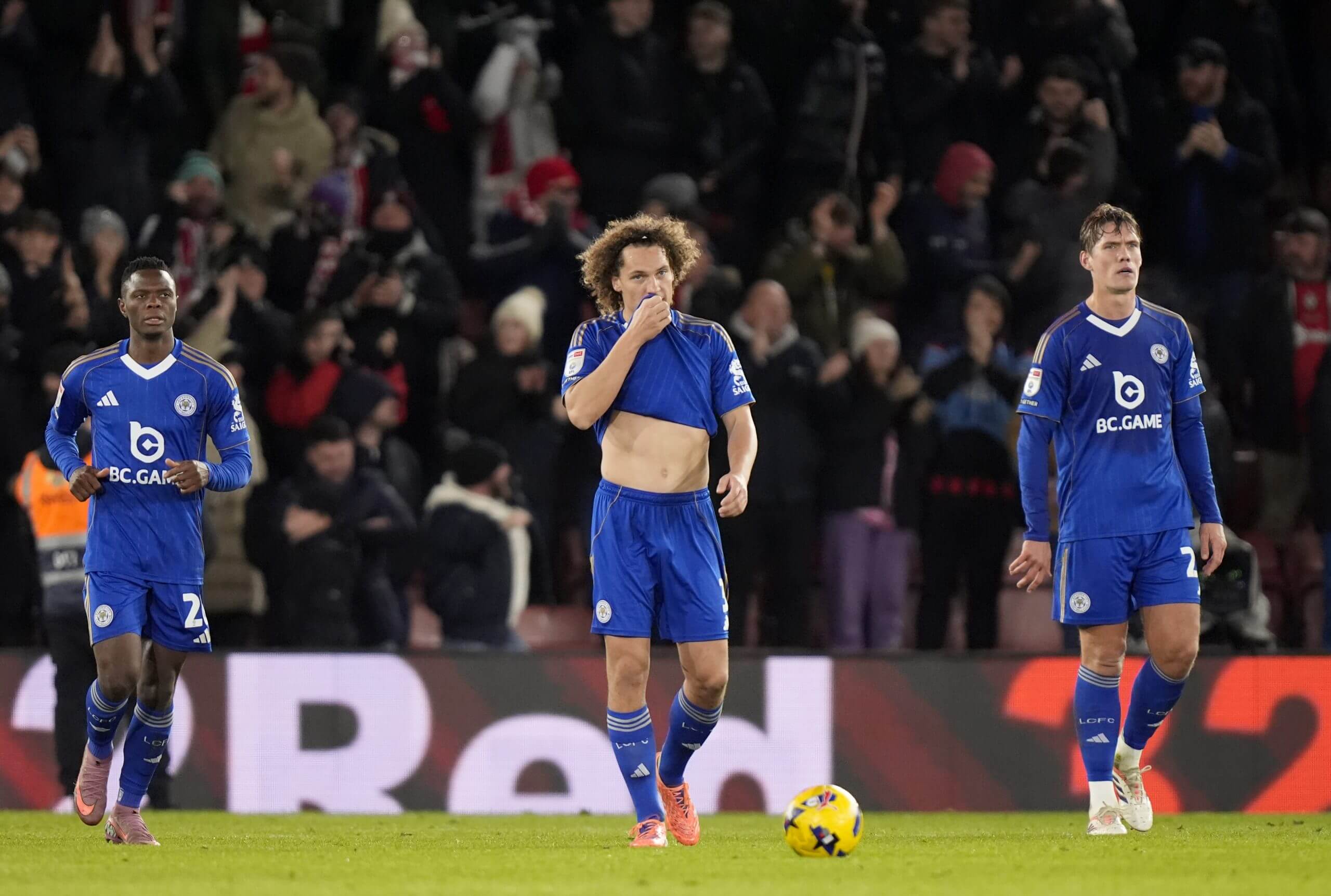
Leicester’s Wout Faes, centre, has gone to Monaco on loan (Andrew Matthews/PA Images via Getty Images)
Even the manner in which Cifuentes arrived at Leicester last summer was dictated by financial concerns.
Ruud van Nistelrooy was not sacked until the eve of the first day of pre-season, so the cost of his dismissal could be deferred to the following year’s accounts for PSR purposes. The new manager found several players who were not committed to another season in the Championship and wanted to leave, but Leicester could not find buyers for them offering acceptable terms.
As the season has progressed, Cifuentes put more trust in youth, leaning on Ben Nelson, Louis Page, Silko Thomas and Jeremy Mong, and moved away from senior players such as Faes, Harry Winks and Jannik Vestergaard. Other high earners — such as Patson Daka and Soumare — played only minor roles.
Perhaps some of those kids blooded this season will be the subject of interest in the summer as Leicester try to balance the books. This club will have to return to the model of selling only one asset every summer any time soon.
It will take several transfer windows before the reset takes proper effect, as players move on naturally at the end of their contracts.
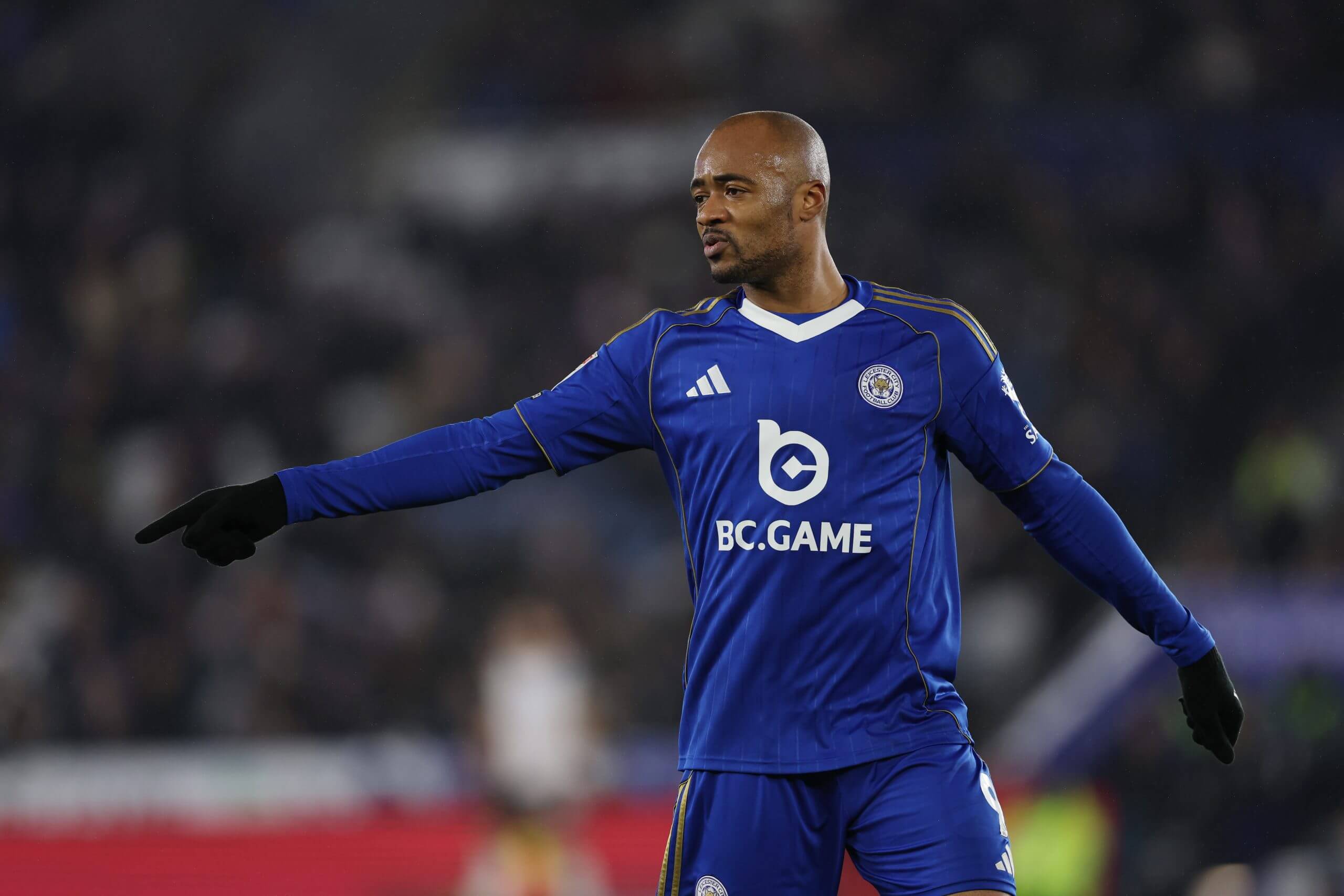
Jordan Ayew is among those Leicester players out of contract this summer (Michael Regan/Getty Images)
This summer, Jordan Ayew, Ricardo Pereira, Winks and Daka are set to become free agents. Twelve months after that, Vestergaard’s deal ends, along with those of Bobby De Cordova-Reid and Hamza Choudhury.
Only when they have thrown off the shackles of previous contractual agreements, and a new strategic leadership team is in place, can Leicester finally start to move forward again.
In the short term, their only focus is staying in the Championship.
Leicester are considering their options and may mount a legal challenge against this points deduction. Yet, as a club, they are facing up to a battle on and off the pitch to avoid the most incredible boom and bust story in recent English football history.