
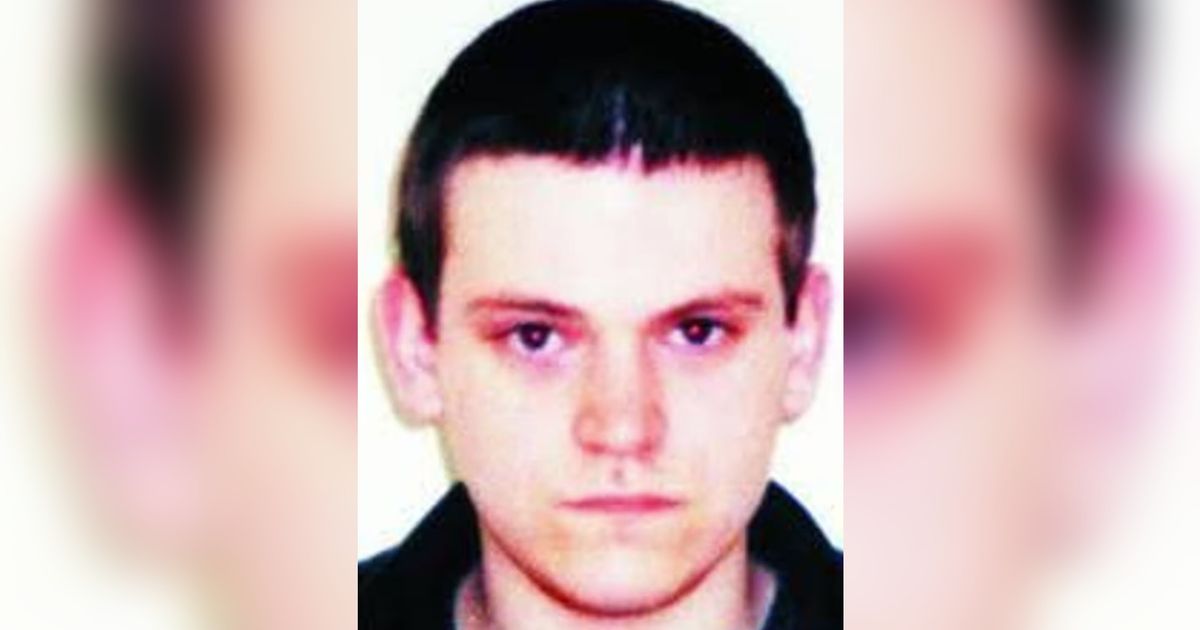
The Parole Board has deemed a murderer safe to be released into the community after nearly three decades in custody
06:00, 06 Feb 2026Updated 07:17, 06 Feb 2026
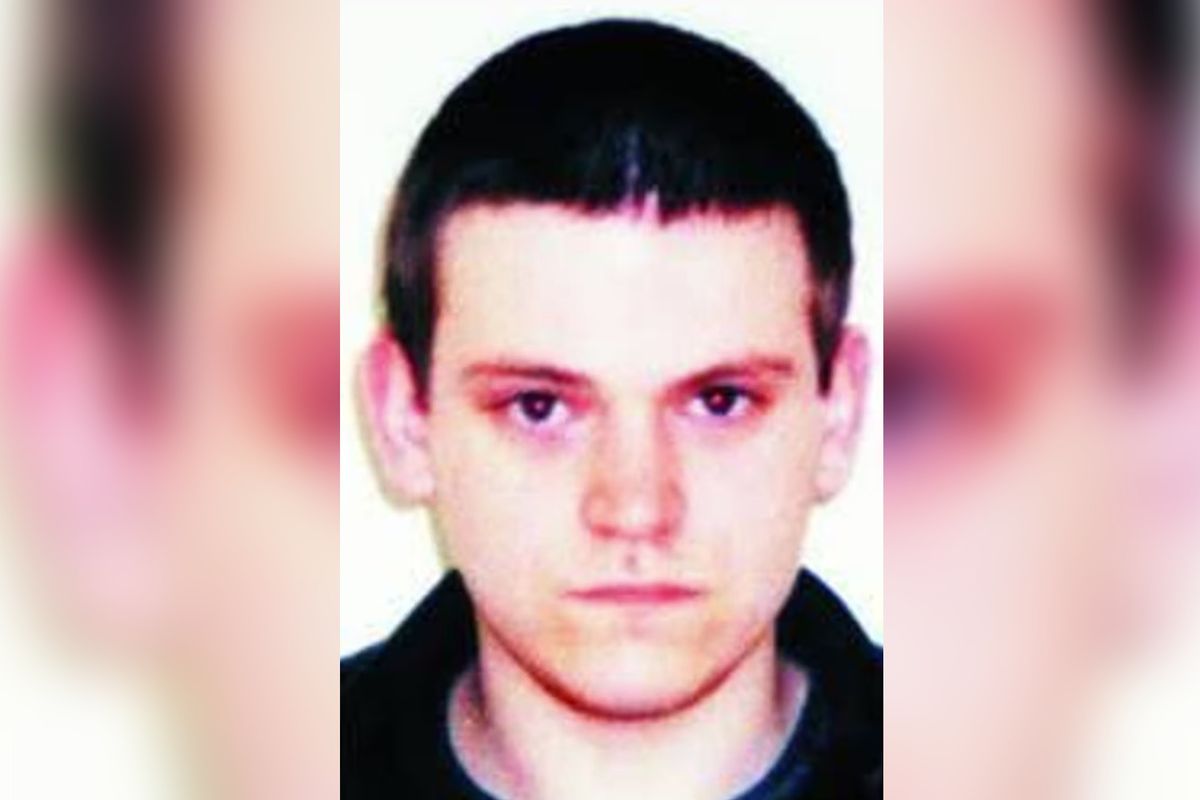
Stuart Diamond has been found to be safe to release back onto our streets(Image: Lancashire Constabulary)
A man who murdered a teenager and refused to reveal where his decapitated head is has been deemed safe enough to be released back onto our streets. Stuart Diamond lured 17-year-old Christopher Hartley back to a flat on December 30, 1997 before strangling and butchering him.
Christopher’s dismembered remains were recovered from a bin at the rear of a hotel, and Diamond was convicted of the murder and detained at Ashworth High Security Hospital in Maghull under the Mental Health Act. Sentencing Diamond to a minimum of 17 years in custody, a judge told him: “It is clear you are a very dangerous young man. The most anxious consideration will be given as to whether it will ever be safe to release you.”
Diamond has remained incarcerated long after his minimum tariff had expired because Christopher’s mum Jean Hartley had fought tirelessly to keep him in custody, telling the ECHO last week that her son’s killer had never even given them the closure of revealing where his severed head is.
Diamond was made the subject of a deferred conditional discharge by a mental health review tribunal in February 2025, which means any arrangements for care in the community had not yet been put in place. But Diamond, now 48, appeared before the Parole Board last month for the first time where a panel found imprisonment was no longer necessary for the protection of the public.
He can now be released back onto the north west’s streets subject to strict licence conditions set by the Parole Board.
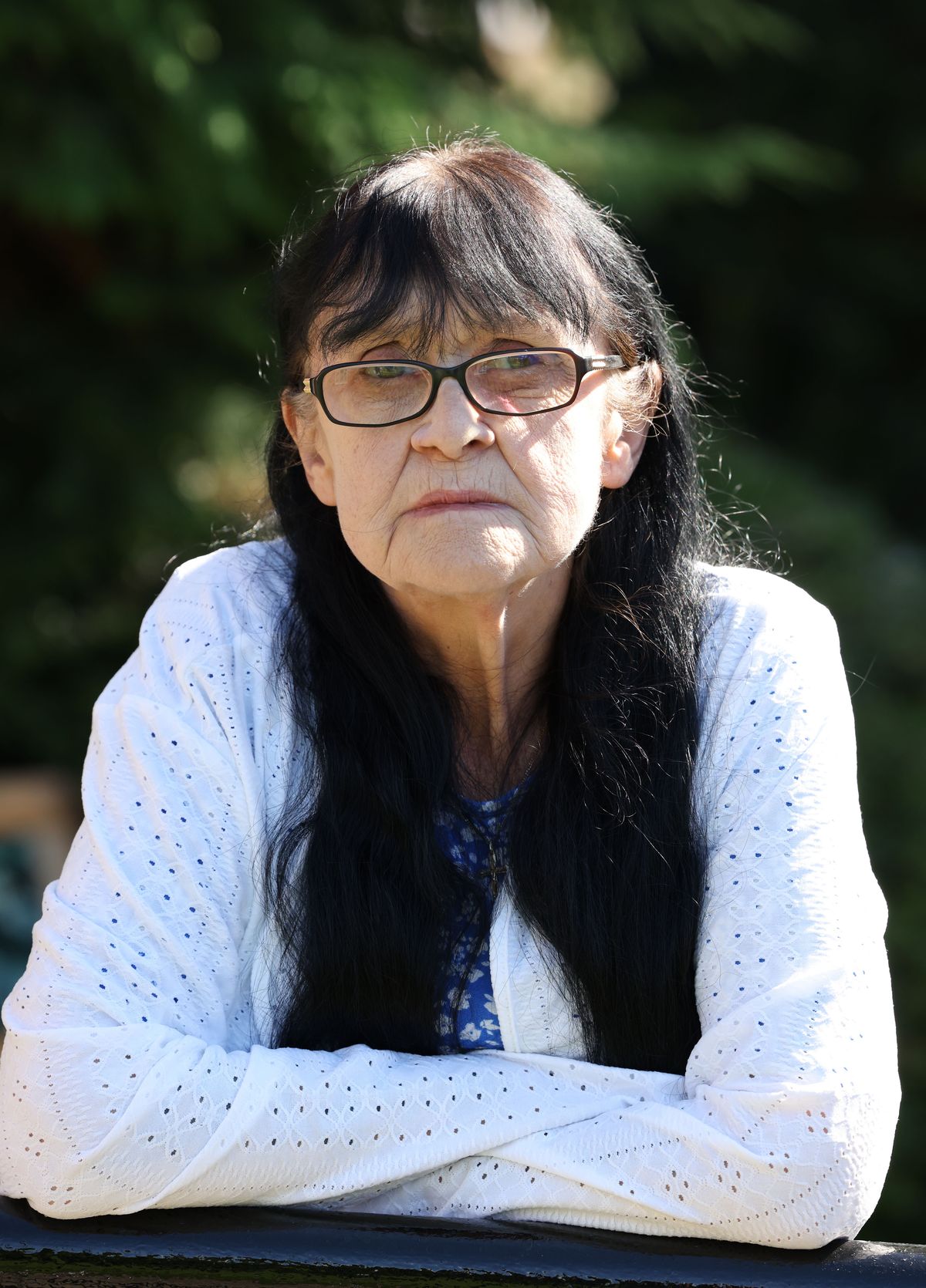
Jean Hartley pictured by the ECHO. (Image: Colin Lane)
Parole documents seen by the ECHO show that the panel listed a number of risk factors which made it more likely that Diamond would reoffend. Diamond told the panel he had carried a kitchen knife due to his increasing paranoia and had known that he needed help.
He also spoke of the impact the offence had on the victim’s family and the panel found he had shown “significant victim empathy”, the documents show. The panel considered that at the time of Diamond’s offending he was abusing drugs and alcohol and “had been willing to involve himself in violence and to act without thinking about the consequences”.
The panel found: “In this case, protective factors, which would reduce the risk of reoffending, were considered to be Mr Diamond’s improved ability to manage violent situations and the fact that there had been a lack of evidence of violence for a number of years. Mr Diamond had also developed a sense of structure and routine in his life.”
The documents show that Diamond had been tested via independent living opportunities and had unescorted community leave. He has already stayed in the community for periods of overnight stay.
Ms Hartley, who lives in Kirkby, told the ECHO last month that Diamond’s offending had caused “unimaginable suffering”. She said: “I still to this day have nightmares – it has destroyed my whole family.” Ms Hartley added: “I hate Diamond. I can’t forgive him for putting my family through hell.”
Christopher grew up in Burnley and moved to Blackpool to find work at the seaside town’s Pleasure Beach. On the day of his murder he had left his sister’s home and met Diamond, who had moved to Lancashire from his native Ireland.
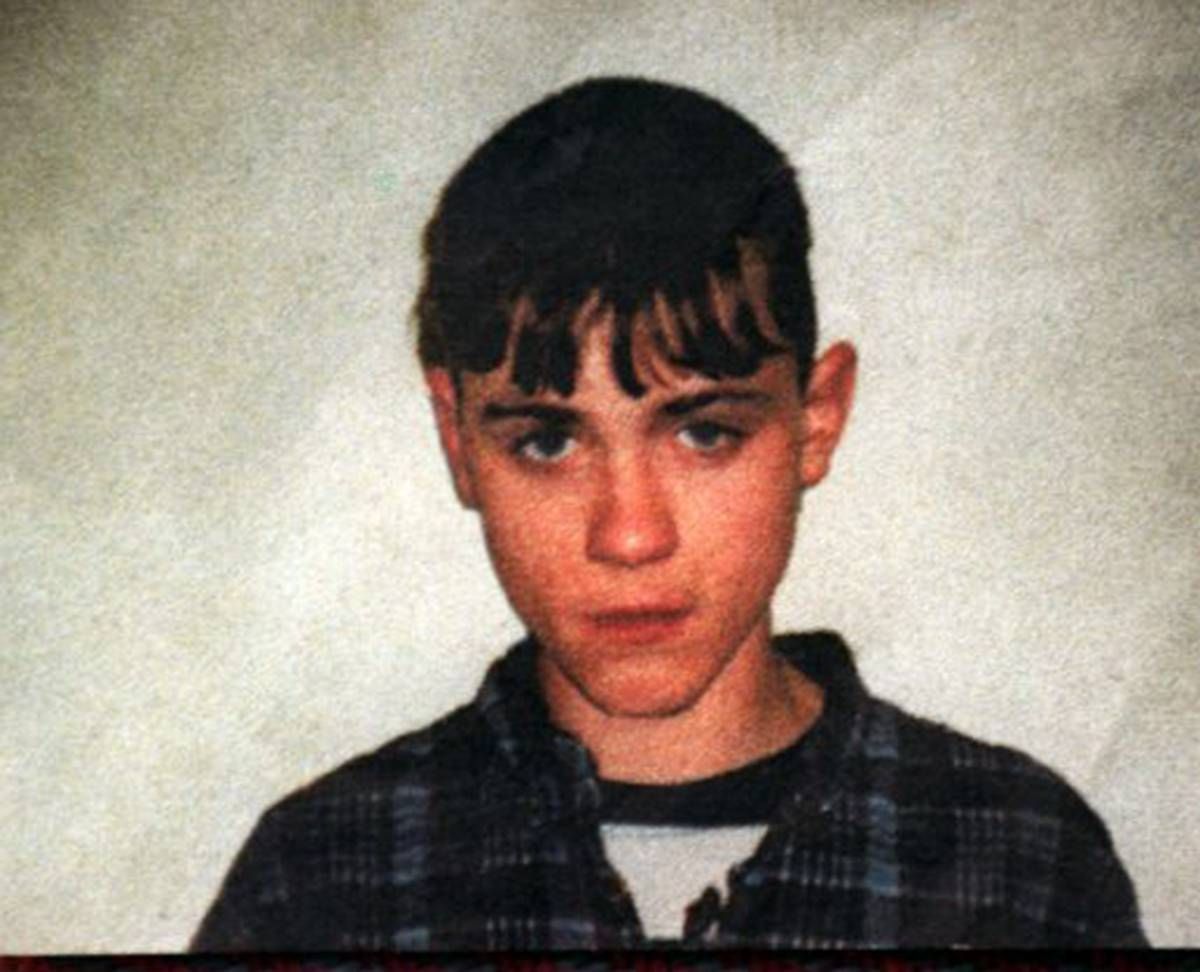
Christopher Hartley
Diamond’s trial in 1999 heard how the killer had strangled and smothered Christopher before cutting his body into three pieces in the shared bathroom of the flats. Investigators found blood stains and tissue in the flat, as well as Diamond’s fingerprint in Christopher’s blood on a stool leg.
Jurors rejected his claims that the killing had been carried out by drug dealers who wanted to frame him for the crime. Diamond fled back to Ireland after the murder and was extradited to stand trial. It was later revealed Diamond had two previous convictions for violence, which included an 18-month sentence in a young offenders’ institution after he slashed a man in the face with a knife.
A psychiatric report from a previous conviction showed Diamond fantasised about carrying out a murder. He had only been out on licence for a matter of weeks when he murdered Christopher.
Ms Hartley told the ECHO Diamond’s lack of remorse and torturous non-admissions meant he should not have been released from custody. And she added if he was ever released, she would be living in fear that she could encounter her son’s killer.
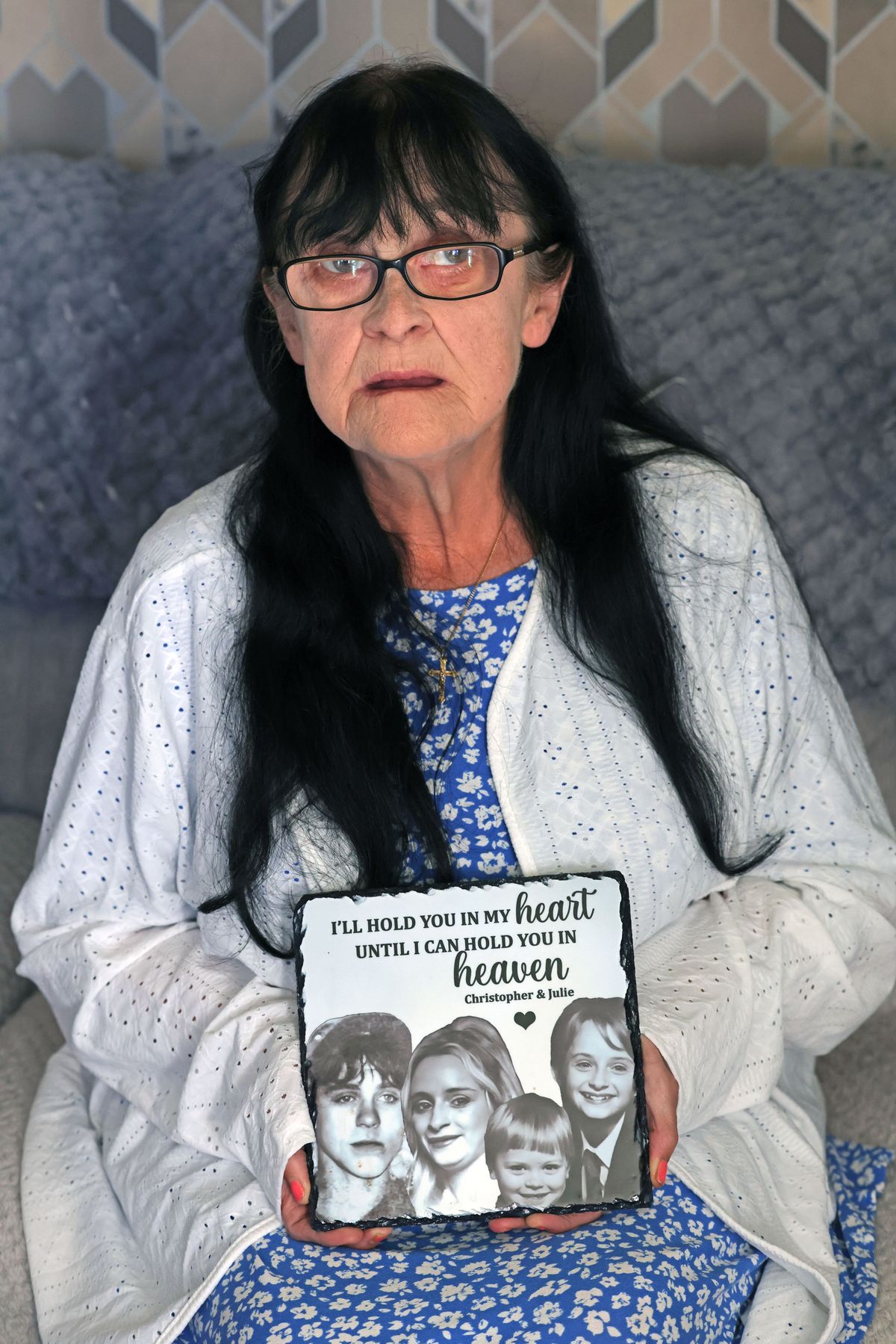
Jean Hartley with a memorial to her dead children(Image: Colin Lane)
Following the hearing the parole panel found: “Mr Diamond had completed necessary work to address identified risk factors and areas of his life that had impacted on his behaviour towards others. The panel noted there was no ongoing evidence of problematic behaviour, emotional instability, poor compliance or pro-violent attitudes.”
Diamond’s release conditions include:
To comply with requirements to reside at a designated address, to be of good behaviour, to disclose developing relationships, and to report as required for supervision or other appointments.To submit to an enhanced form of supervision or monitoring including a specified curfew.To comply with other identified limitations concerning contacts, activities, residency and an exclusion zone to avoid contact with victims.To continue to work on addressing defined areas of risk in the community.
Christopher’s loved ones previously raised concerns that a killer should not be released into the community if they have never served any of their sentence in a mainstream prison population. Under the current law it is possible for a convicted murderer to seek parole directly from a high-security hospital. Ms Hartley said: “How can he be fit to live in the community if he has never been fit to be in a normal prison?”
Christopher’s family has now started a petition calling on a reform of UK law regarding parole eligibility for people convicted of murder. The family’s online petition said: “While mental health care is vital for the rehabilitation of offenders, it must not replace the core principle of accountability for serious crimes such as murder. Allowing parole without prison time undermines justice, erodes public confidence and places additional emotional strain on victims’ families.”
A spokesperson for the Ministry of Justice told the ECHO: “Being held in a psychiatric hospital does not change the minimum time a life-sentence prisoner must serve before they can be considered for release. The offender’s liberty is restricted, and they must complete treatment before any return to prison or release into the community.”
If you want to learn more about the petition and sign it to support Christopher’s family click HERE.