

The only trace of Lorna McSorley was a crumpled map. Five days into a package holiday to South Africa, the 71-year-old British tourist vanished on a walk from the lodge where she was staying.
Other than the printed route she was clutching, a week-long search of the surrounding bush, waterways and sugarcane fields yielded nothing.
Four months on, despite detectives in northern KwaZulu-Natal province saying they have no new leads, accounts from farmers, officials and experts in the community where she disappeared point to a disturbing conclusion: she was probably killed for her body parts to be harvested for use as “muti” — witchcraft.
McSorley and her partner of 30 years, Leon Probert, 81, had arrived by coach at Ghost Mountain Inn at lunchtime on Saturday, September 27, 2025. They were on a package holiday organised by the travel firm Tui. CCTV from the hotel shows the couple from Teignmouth, Devon, together at reception before they set off at approximately 2.30pm with an A4 map from the hotel marking a three-mile return loop to a lake.
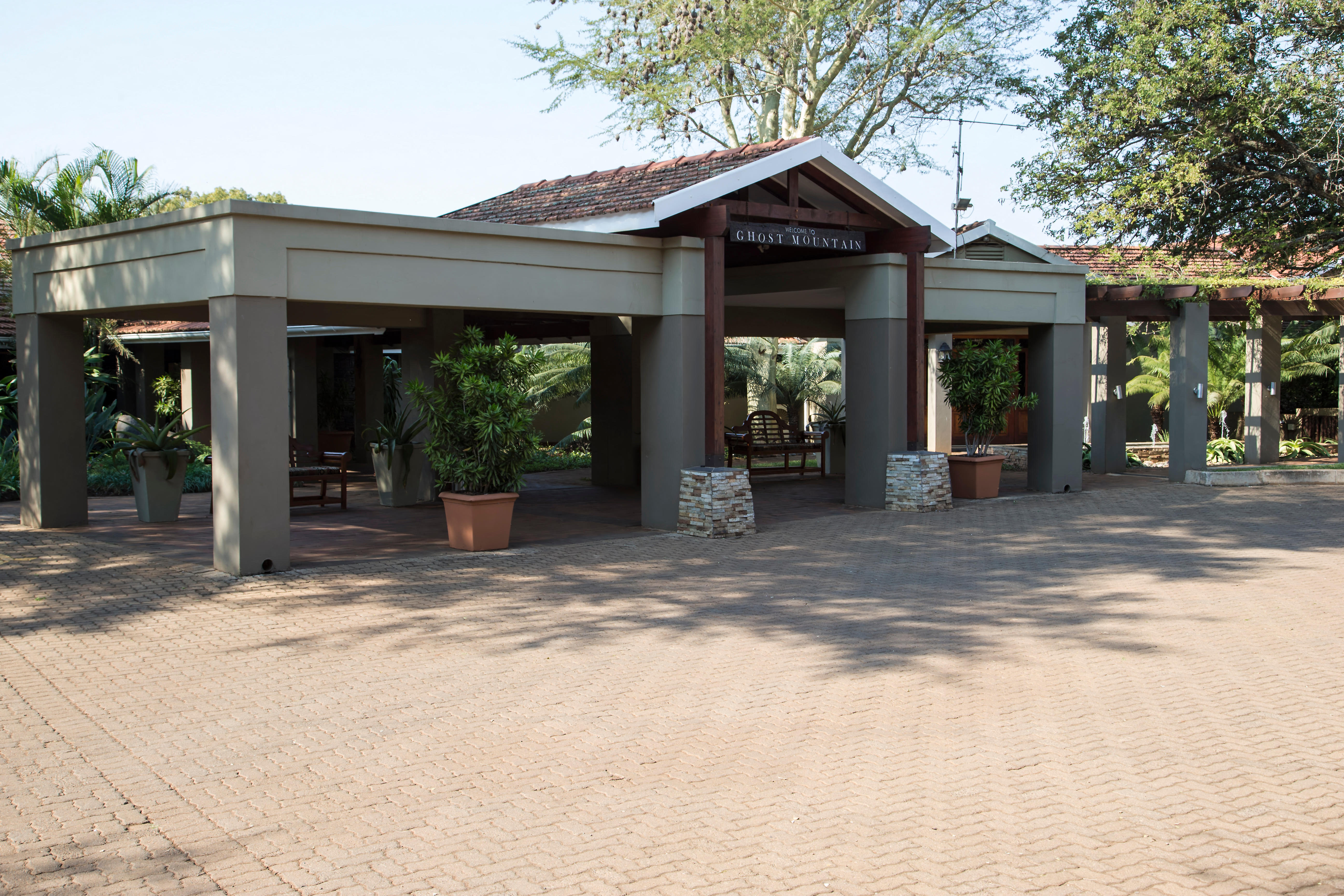
Ghost Mountain Inn in Mkuze
ALAMY
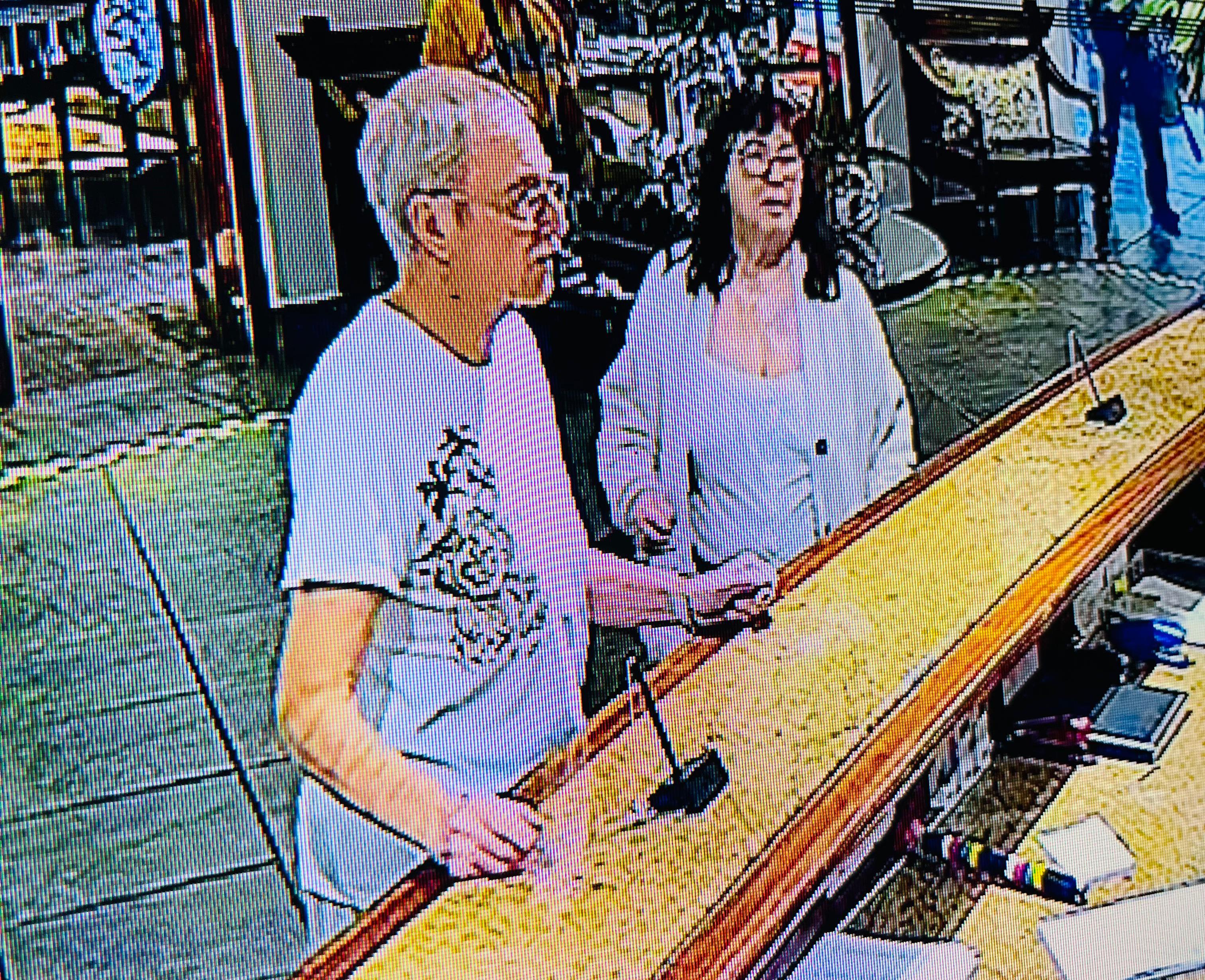
Leon Probert and McSorley at the hotel reception desk
GHOST MOUNTAIN INN
After starting their fortnight-long trip with two days in Kruger National Park, McSorley was keen to see more wildlife. But not far into the walk Probert turned back.
McSorley, going on alone, soon lost her way.
Koos Prinsloo, a local farmer, had the last confirmed sighting of McSorley. Wearing a black bum bag and moving slowly in her size two trainers, she stopped at his fence to ask directions at about 3.15pm. Prinsloo pointed to their location on her map, well off the route marked with red arrows, and far from a lake where signs warn of crocodiles.
“She seemed relaxed and said she didn’t want a lift back to the hotel so I went back to my lunch,” Prinsloo told The Times at his farmhouse.
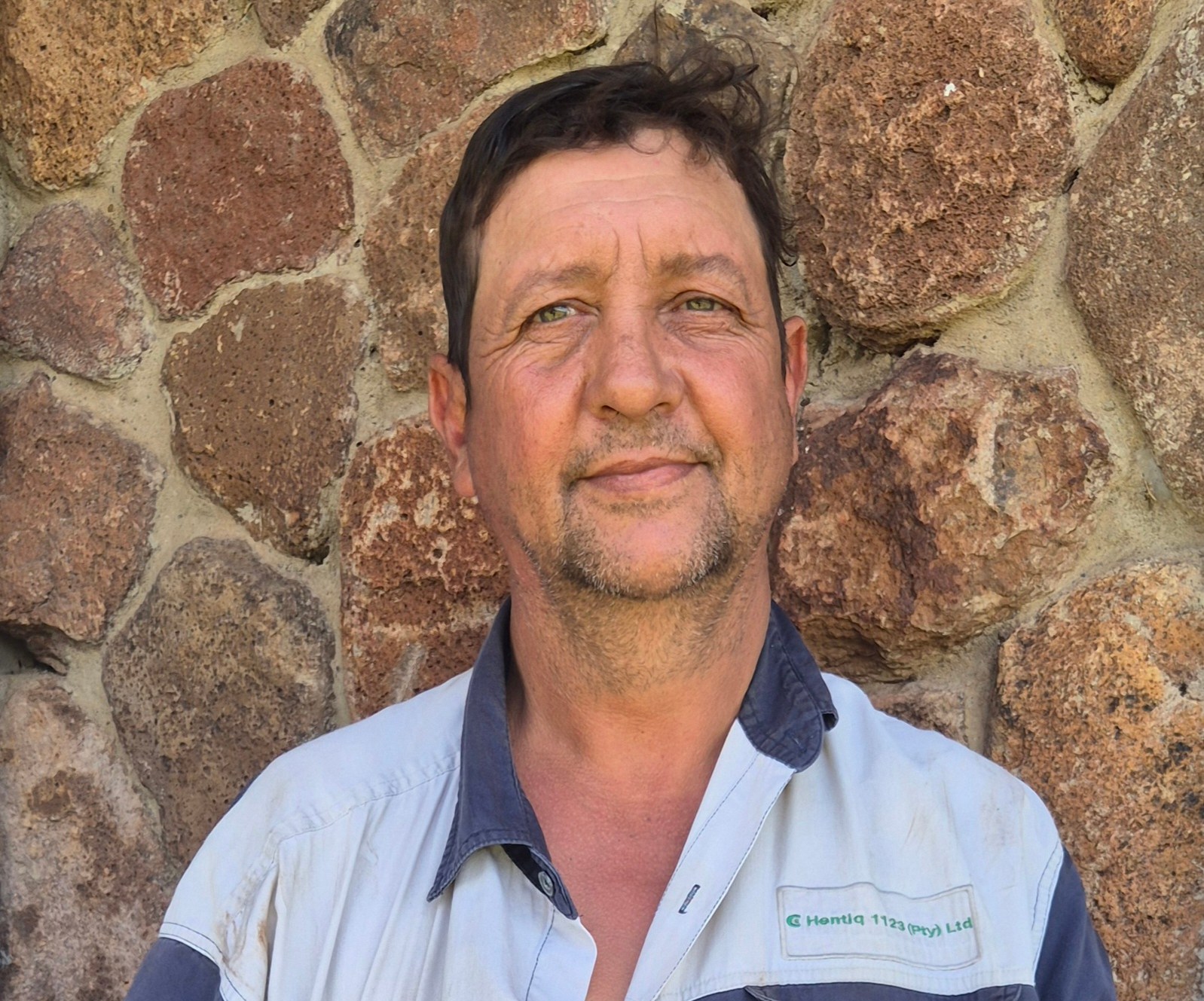
Koos Prinsloo
JANE FLANAGAN FOR THE TIMES
By 5.30pm, when McSorley had failed to return from a walk that should have taken no more than 90 minutes, her partner raised the alarm. Initial reports in the media called McSorley “Elaine”, which is her middle name, rather than Lorna.
Police, farmworkers, volunteers and rangers searched with dogs, drones and boats until well after dark, resuming at first light with a helicopter and fixed-wing plane. The search area widened as the days passed with no sign of other belongings or human remains.
Probert, who had worked in logistics for Woolworths, organised an emergency passport — his was in McSorley’s bag — and, with the support of Tui, flew home. On October 4, detectives paused the search saying they were pursuing other leads. The bank card McSorley was carrying was never used.
Friends describe McSorley as a “cheerful trooper”. She joined the army from Hitchin Girls’ Grammar School, completing her training at Catterick in North Yorkshire. She spent years moving between foreign postings with her husband, who was in the Royal Signals.
Since McSorley’s retirement from her job at South West Water she and Probert had taken many package holidays. Probert blames himself for her disappearance.
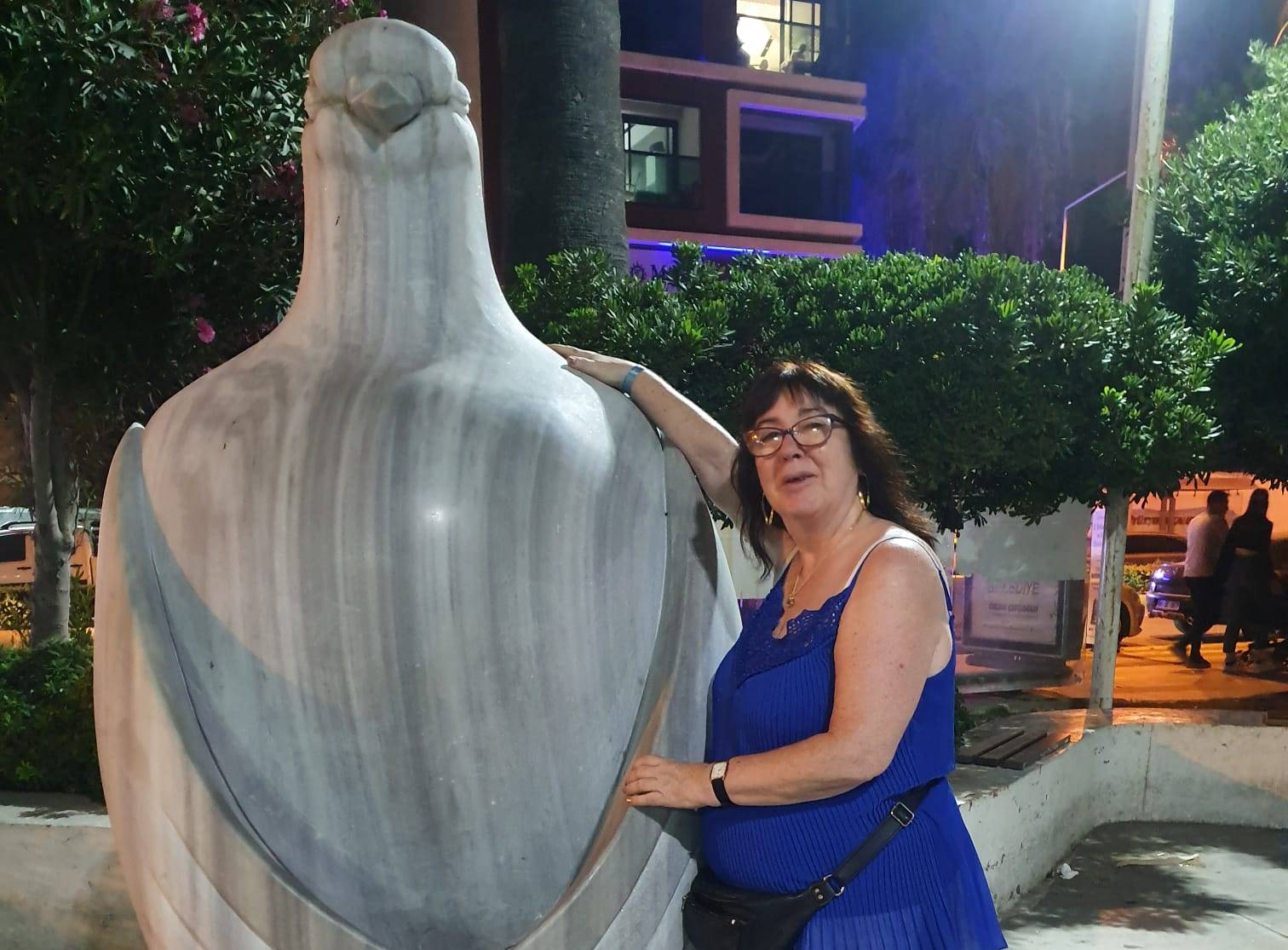
McSorley on holiday in Turkey in 2024
“I have a guilt that, if I hadn’t returned to the hotel and stayed [on the walk] with her, the chances are that nothing would have happened,” he said in a call from their Devon home.
 A place of spirits
While the fields where McSorley disappeared were empty of workers that Saturday afternoon, the nearby town of Mkuze was crowded with shoppers spending their end-of-month pay. Among the hawkers’ stalls are several offering common ingredients for muti: roots, bark, animal bones, birds’ claws and heads, to be mixed by traditional practitioners called sangomas and inyangas.
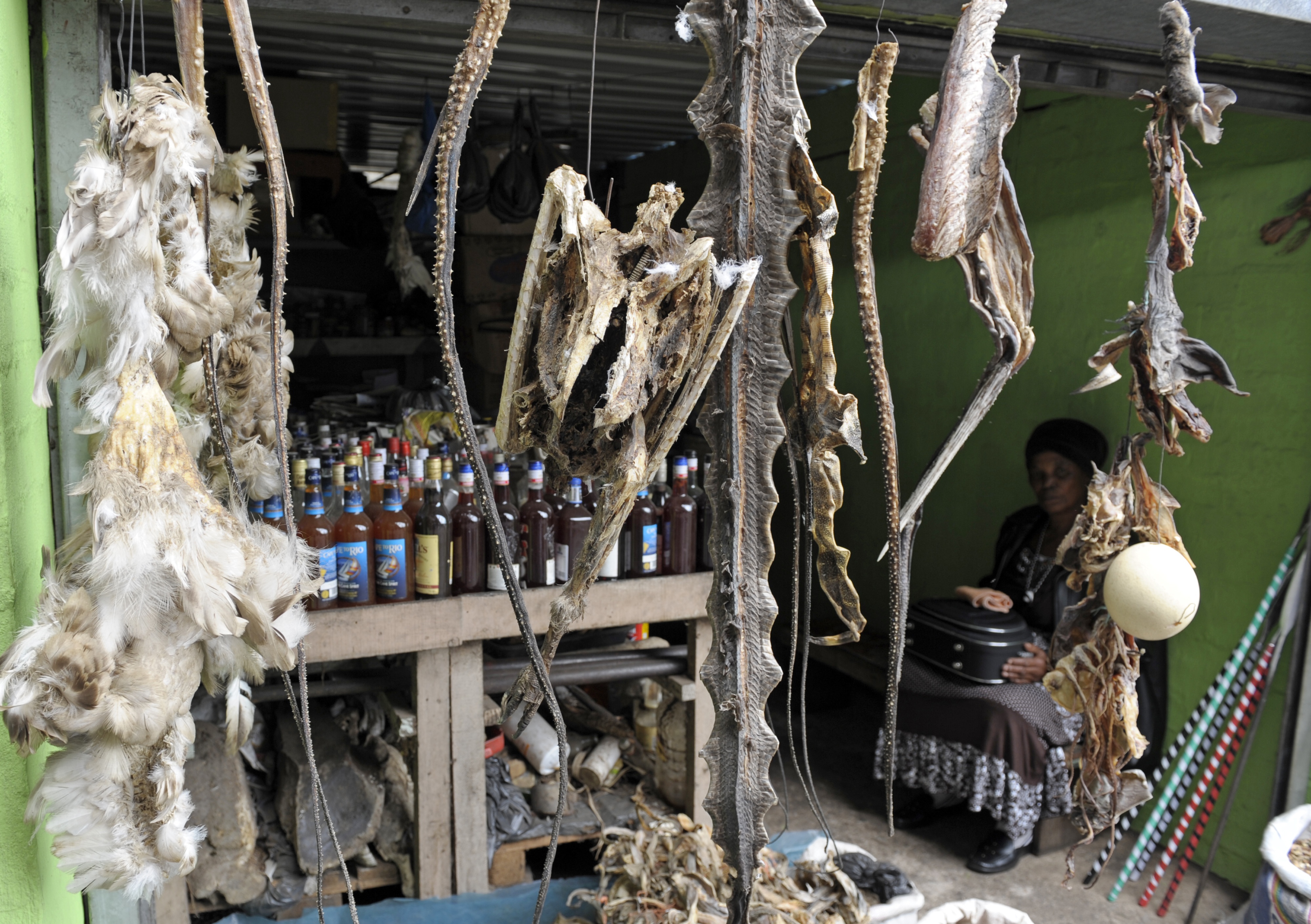
The muti market in Durban, South Africa
JAVIER SORIANO/AFP
Looming over Mkuze is Ghost Mountain, part of the jagged Lebombo range that runs along South Africa’s eastern border with Eswatini, formerly Swaziland, and Mozambique.
Locals use the mountain to orientate themselves in the surrounding maze of bush, fences and tracks. They liken it to an old woman lying on her back and revere it as a place of ancestral spirits.
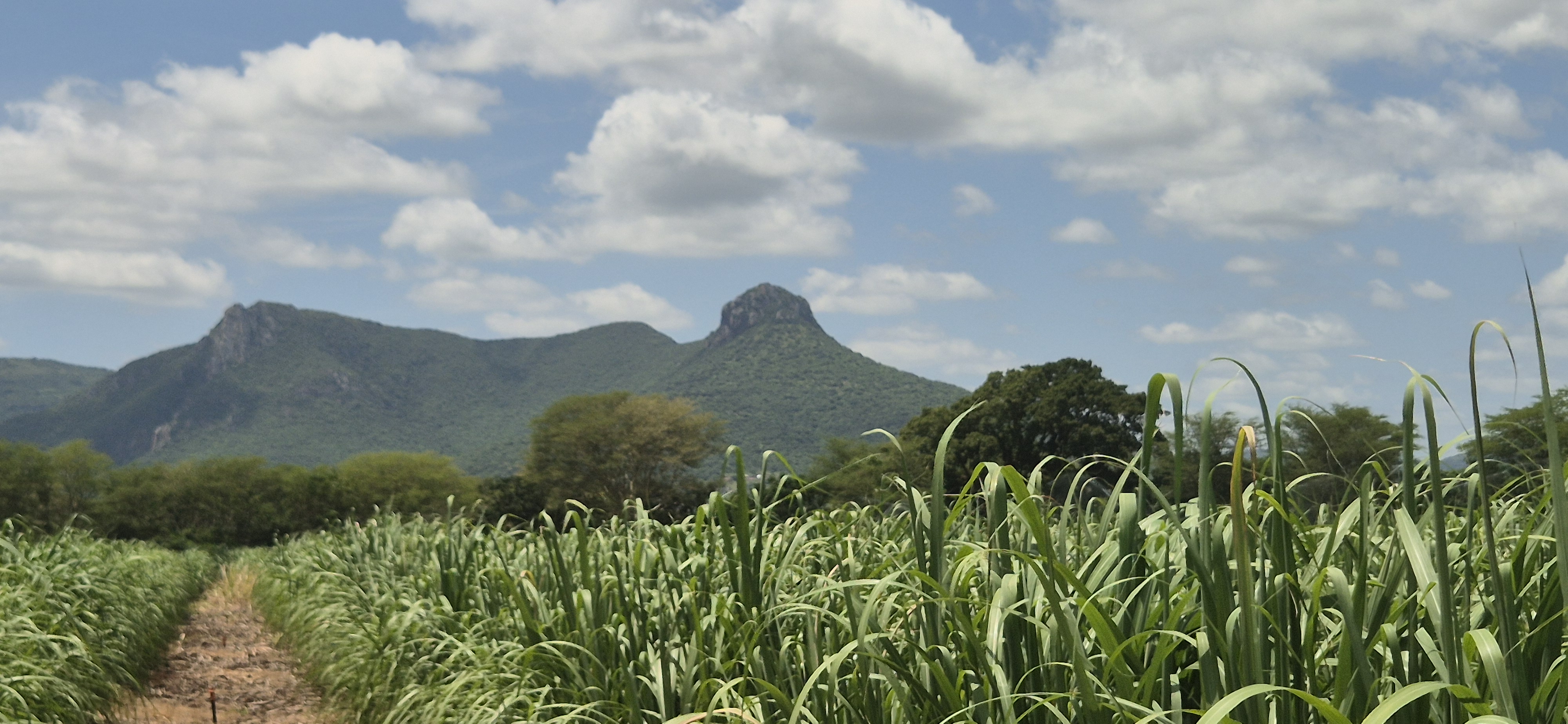
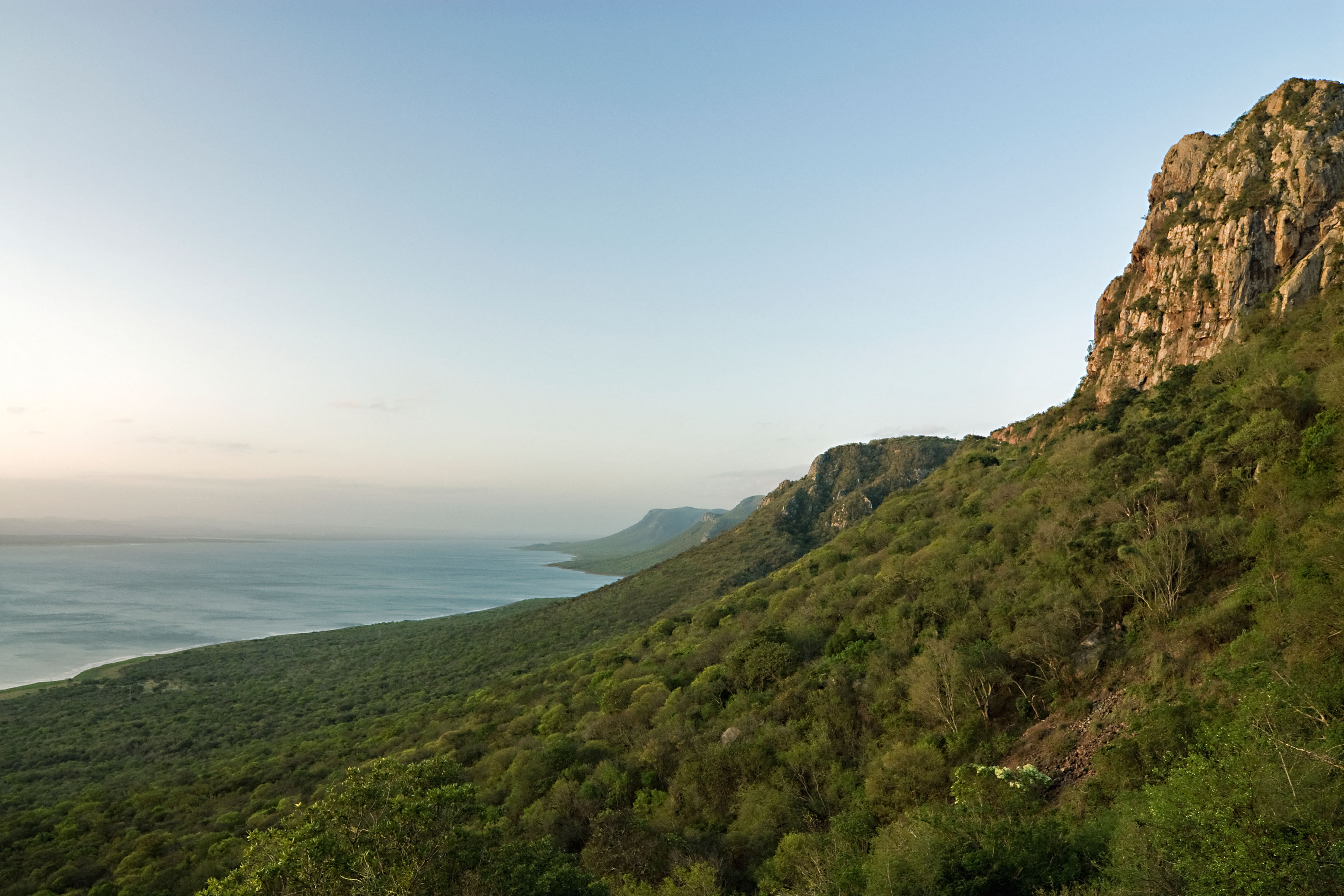
The Lebombo mountain range
ALAMY
After detectives scaled back their search for McSorley, a parallel private hunt took shape. In this remote borderland private security teams employed to protect farm infrastructure and the rhino population are often far better equipped than the police.
The private investigation obtained a “dump” of mobile phone data — a list of devices that connected to the network within a 50-metre radius of where the map was found during a 60-minute window between the last sighting of McSorley and her being reported missing.
The data indicated three numbers converged on the map site at about 4.45pm and remained for 15 minutes before dispersing. Plotting the phones’ movements over time suggested one travelled at a car’s speed, while the others moved at walking pace: one from town and the other from the mountain.
Private investigators said this information was passed to police in October. The use of mobile phone dumps, or forensic extractions of data, is routine in serious criminal investigations.
 Strength and wealth
Derived from the Zulu and Xhosa word umuthi, meaning tree or medicine, muti is commonly prepared from plants or animals, though a minority of inyangas believe that the most powerful concoctions need human body parts. So-called muti murders — in which victims are ritually killed for organs or limbs — are considered to be rare among the 64 killings that are recorded in South Africa each day.
However, KwaZulu-Natal, and especially the region’s north, is an established hotspot for strong muti where, locals say, the belief in its power — and a fear of it — put it beyond the reach of the law.
Jacob Sabelo Ntshangase, a Zulu culture and language specialist who grew up in the region, said that body parts from white people or those with albinism were believed by some to bring strength and wealth.

View from Ghost Mountain Inn
ALAMY
Disappearances in KwaZulu-Natal often ended, he said, with victims’ body parts being used far away by inyangas in Johannesburg or across the province’s borders. Typical clients might be a businessman closing a deal, a politician facing the ballot box, or a gangster seeking cleansing or protection from rivals. It was not the inyangas themselves who hunted for body parts, but their network of scouts.
McSorley had been wandering alone in the bush for more than two hours — long enough to be spotted and help summoned to snatch her. “It would not be a stretch to imagine that this is what happened here,” Ntshangase said.
The Times spoke to several people in Mkuze who independently suggested a muti killing was a likely explanation for a lone tourist being taken with no ransom demand.

A 36-year-old labourer said he knew of a dozen people in the area, including children, who had disappeared in the past three years, including one old woman in the months since McSorley vanished.
A local official, speaking on condition of anonymity, estimated at least ten disappearances had been reported to police since 2022. “The biggest danger we know in this area is this muti. We are all scared of it,” he said in an out-of-hours meeting.
 Killers at large
Thousands of miles from Mkuze in Hertfordshire, Geoff Sheward said he had resigned himself to the possibility that he may never know what happened to his sister, who was nine months younger. There were many explanations he could imagine, he said, but the idea of a muti murder was the “worst one” he had heard.
“The poor girl must have been frightened to death,” he said.
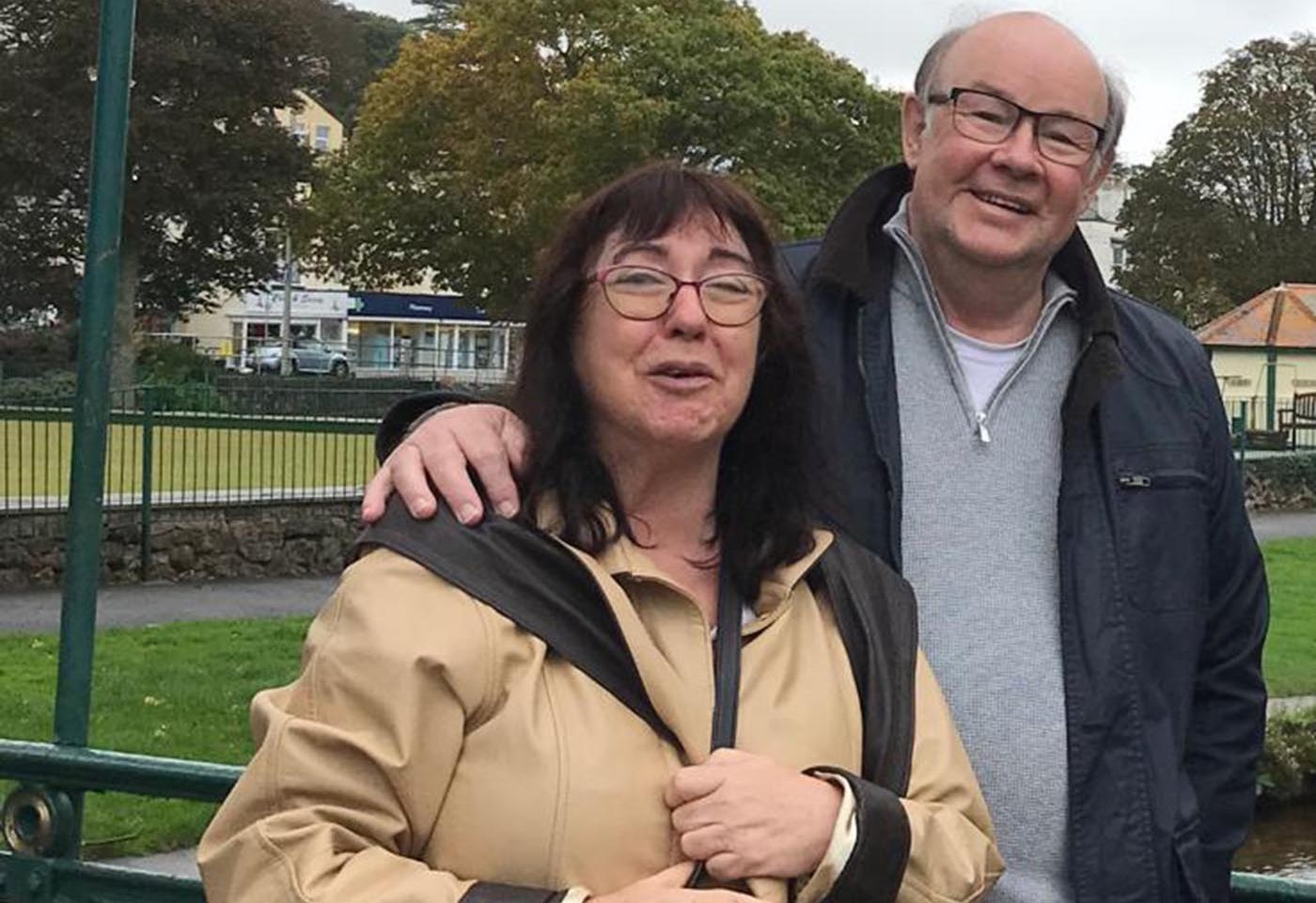
McSorley with her brother, Geoff Sheward
Jean Young, McSorley’s friend of 30 years who lives in Tyne and Wear, said she was beyond being shocked since first hearing she had vanished: “I suppose anything is possible there [in South Africa].”
Britain had its own ritual murder mystery in 2001, when the torso of a young boy was found in the River Thames near Tower Bridge. Detectives eventually concluded that he had been brought over from Nigeria and there were signs of ritual practice but they were unable to determine its purpose.
The Times has reviewed the private investigation phone data and found two numbers traced to the scene are still active on WhatsApp; one has a profile picture of a stylised hierarchy of big cats — the animals’ bones are common in muti.
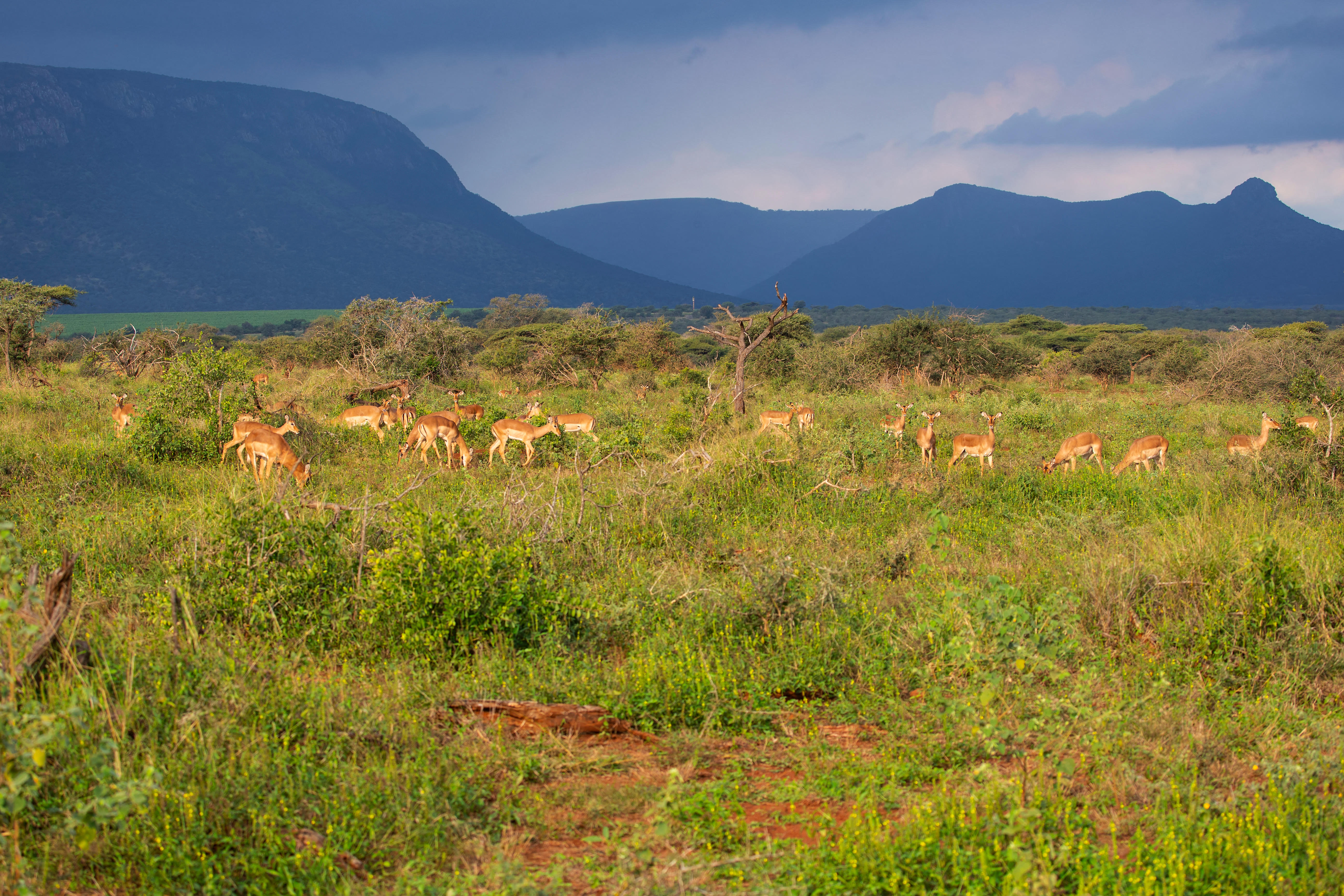
Impala beneath the shadow of Ghost Mountain
ALAMY
Probert said that the detective in McSorley’s case had told him on Thursday that he had received no information about mobile phone use in the area on the afternoon she disappeared. Correspondence seen by The Times suggests the authorities had in fact been made aware of the phone data.
Responding to suspicions in Mkuze that his partner might have been abducted for her body parts, Probert said: “I never knew that sort of thing existed, but it is a possibility, I suppose, that she was taken away when you bear in mind there is no evidence of her existence.”
Colonel Robert Netshiunda, spokesman for the KwaZulu-Natal police, said he could not comment on private investigations, nor would he give “blow by blow reporting on active investigations”.
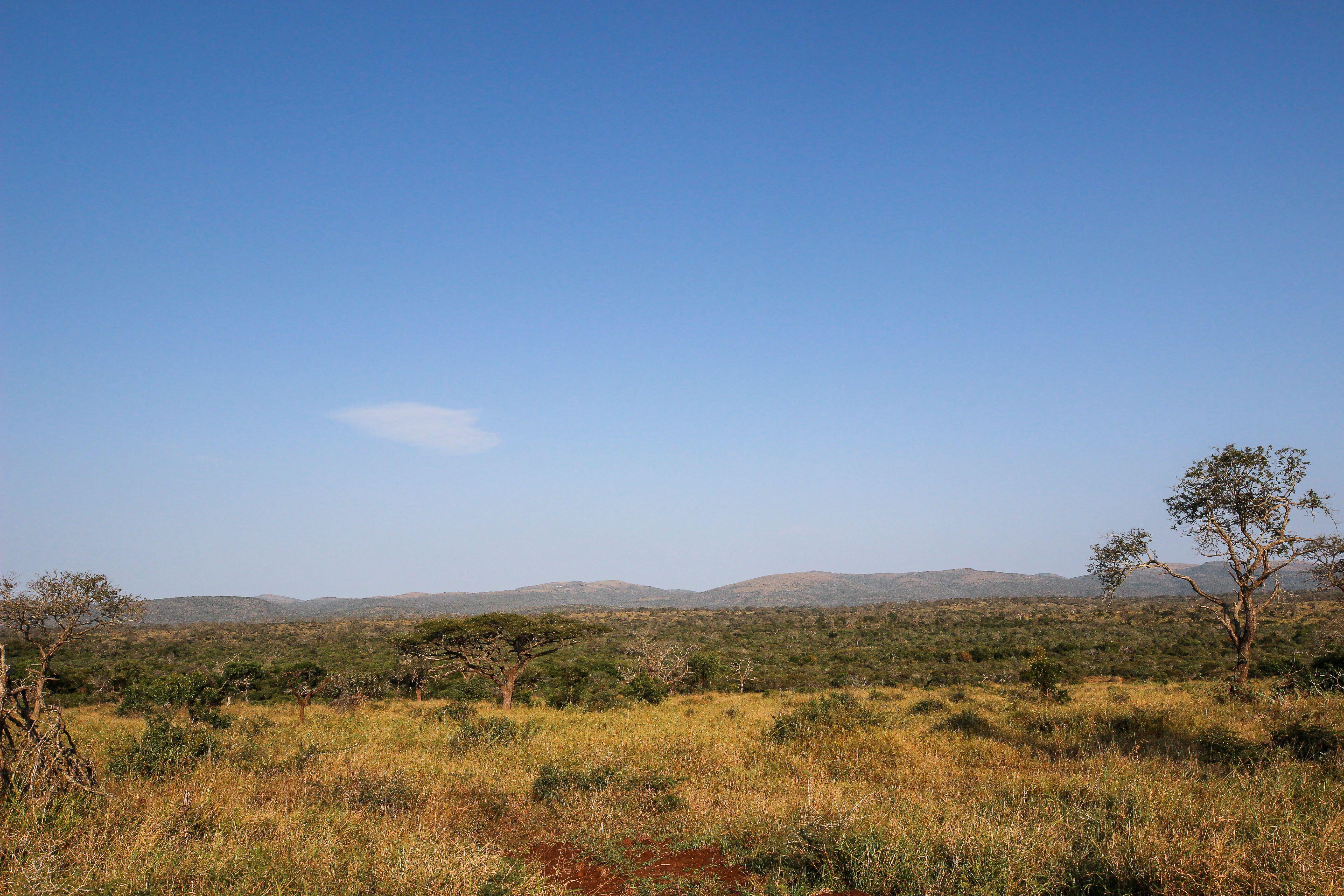
Mkuze game reserve, northern Zululand
ALAMY
South Africa’s traditional healer associations have condemned the use of human body parts in muti for being against accepted beliefs.
The Foreign, Commonwealth and Development Office said: “We are supporting the family of a British woman who is reported missing in South Africa and are in contact with the local authorities.”
Ghost Mountain Inn said that the walk to the lake was “a commonly enjoyed activity by visitors to the region, either independently or with the option of a guide. The safety and well-being of all guests is our highest priority”.
Tui Travel was approached for comment.