
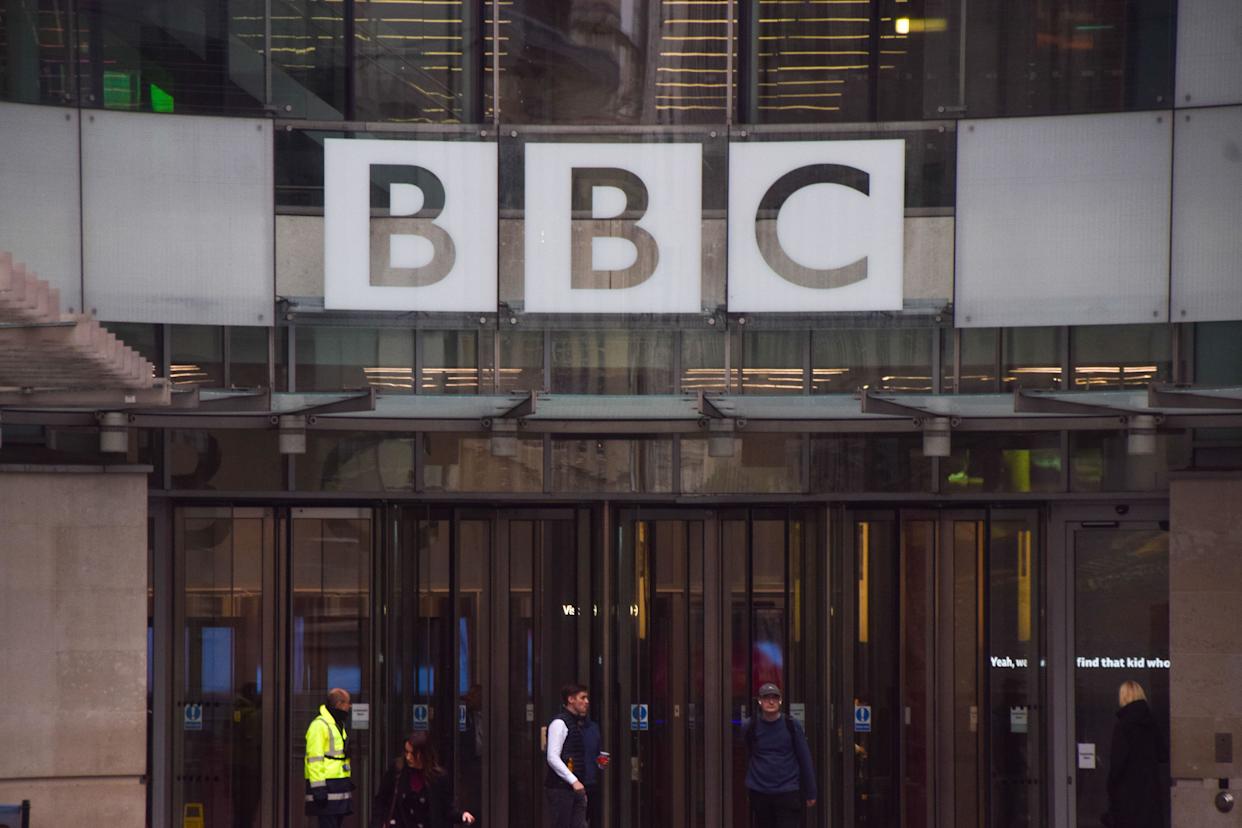
The cost of a TV licence, which funds the BBC, will rise to £180 a year.
(Vuk Valcic)
The annual cost of a TV licence will increase to £180 from April, the government has announced.
The Department for Culture, Media and Sport said the rise was in line with inflation, and provides the BBC with a “stable financial footing to deliver for audiences and support the wider creative industries”.
It added it “recognises the financial pressures on households and is committed to ensuring the BBC’s funding model is sustainable, fair and affordable”. Tory shadow culture secretary Nigel Huddleston said the increase is “not credible”.
The BBC collected £3.8bn from sales of 23m TV licences in 2024/25, with £550m thought to have been lost through evasion.
The annual licence fee faced years of scrutiny under the Conservative government, while the current Labour administration has said it will consider reforming the fee and look at more commercial revenue options for the BBC.
A government paper published in December last year said a new funding system “that better accounts for different household situations” would reduce concerns about enforcement action being taken against individuals who can’t afford the annual fee.
Any changes to the current TV licensing system will only happen after the BBC’s latest charter ends in December next year.
How much the TV licence going up?
The new £180 fee is up £5.50 from its 2025/26 cost of £174.50.
It’s also a £34.50 increase from the £145.50 it cost 10 years ago in 2016.
What does the TV licence fee cover?
A TV licence covers any form of live TV, whether on terrestial channels like BBC One and ITV1, or paid-for services like Sky.
A licence is also needed for live broadcasts which appear on streaming services such as YouTube, Netflix, Now TV and Amazon Prime Video. Netflix, for example, is broadcasting the comeback fight of British heavyweight boxer Tyson Fury versus Arslanbek Makhmudov in April: that would require a TV licence.
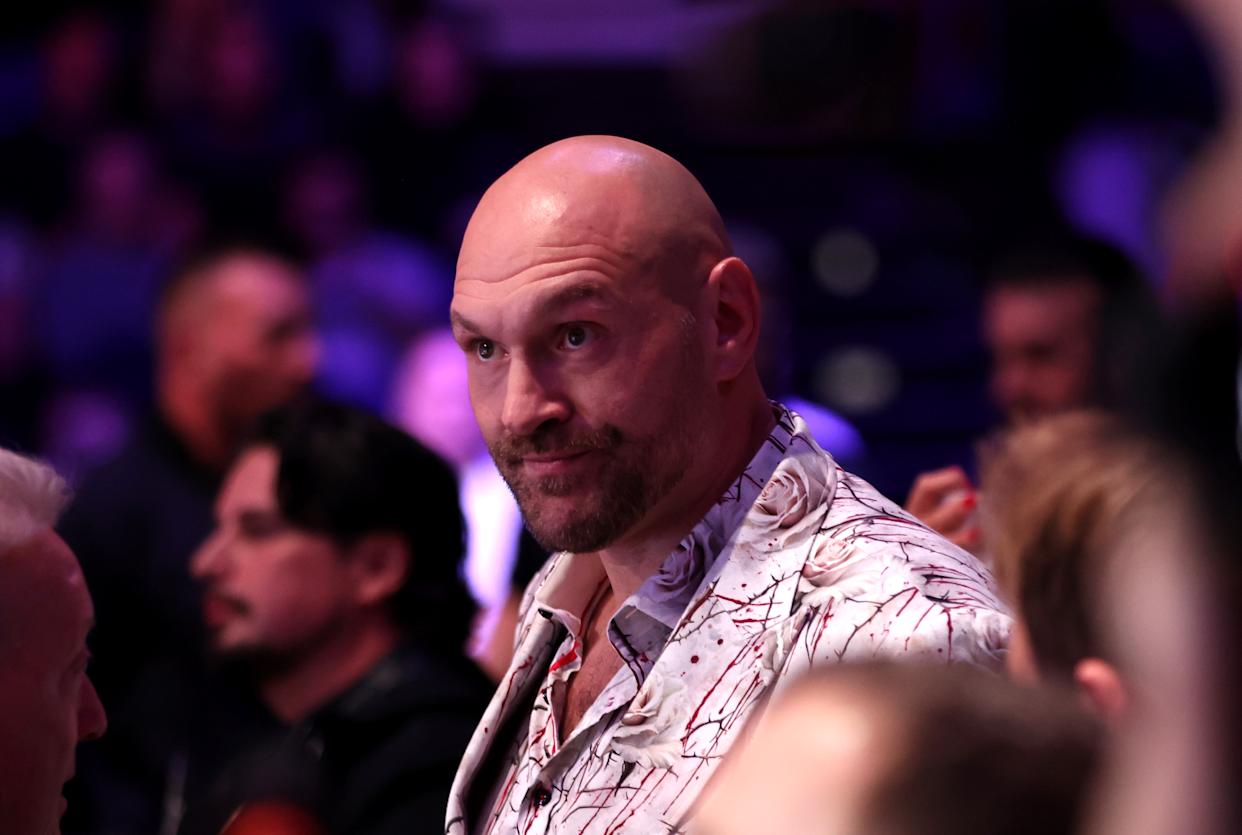
Tyson Fury’s comeback fight on Netflix would require a TV licence. (PA Images via Getty Images)
(Steven Paston – PA Images via Getty Images)
However, the rules don’t apply to on-demand programmes on these platforms. So, for instance, a licence is not needed to watch Netflix shows such as Stranger Things and Adolescence.
For BBC iPlayer, the rules are different: all programmes watched on demand, such as The Apprentice and The Night Manager, require a TV licence.
Recent reports suggested the BBC is working on ways to use iPlayer data to find households that have not paid for a TV licence.
How can I cancel my TV licence?
If you no longer watch live TV or use BBC iPlayer services, you can cancel on the TV Licensing website.
Who is exempt from a TV licence?
Over-75s who either get pension credit, or live with a partner who gets pension credit, do not have to pay for a TV licence. There are no other exemptions.
What to do if you need help paying your TV licence
TV Licensing may offer discounts for people who live in a residential care home, supported housing or sheltered accommodation.
People who are blind, and can provide evidence, are also eligible to apply for a 50% concession.
Otherwise, you must pay the full fee. If you don’t want to pay one lump annual sum, TV Licensing allows customers to split payments either monthly or quarterly.