
How Thailand became the ‘sick man of Asia’published at 06:06 GMT
06:06 GMT
 Suranjana Tewari
Asia Business Correspondent
In the late 1980s, Thailand was hailed as an “Asian tiger”, posting double-digit growth and seen as one of the region’s
rising stars.
Today, that shine has faded. Over the past five
years, domestic consumption, manufacturing and even tourism – a pillar of
growth – have all weakened.
As a result, Southeast Asia’s second-largest
economy has been expanding at a sluggish pace of around 2%, well behind
regional peers like Vietnam and Indonesia.
The International Monetary Fund predicts that
growth will slow further this year to just 1.6%, the weakest among the region’s
major economies.
Structural problems are further weighing on the
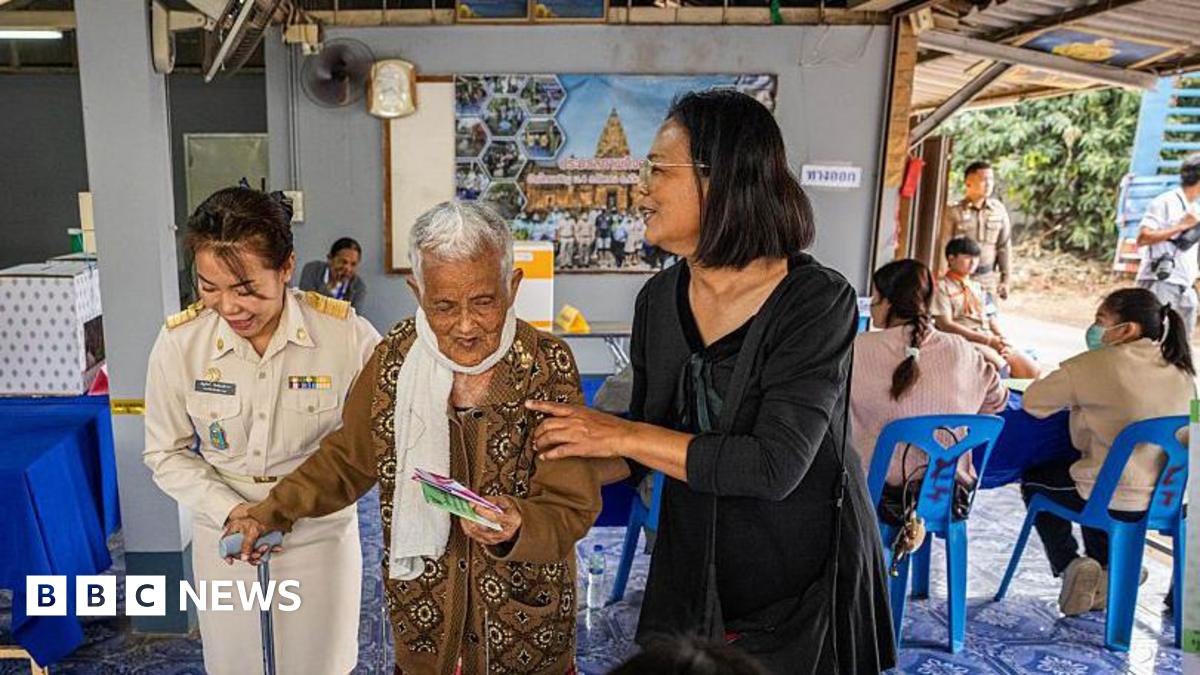
economy. Thailand has a rapidly ageing and shrinking
population and one of Asia’s highest household debt levels.
At the same time, an influx of cheaper Chinese
goods and fierce competition from newer manufacturing hubs like Vietnam are
eroding Thailand’s industrial base.
Persistent political instability and frequent
changes of leadership have only added to investor uncertainty, delaying
reforms, weighing on infrastructure and tourism projects, and hitting overall
confidence in the economy.