
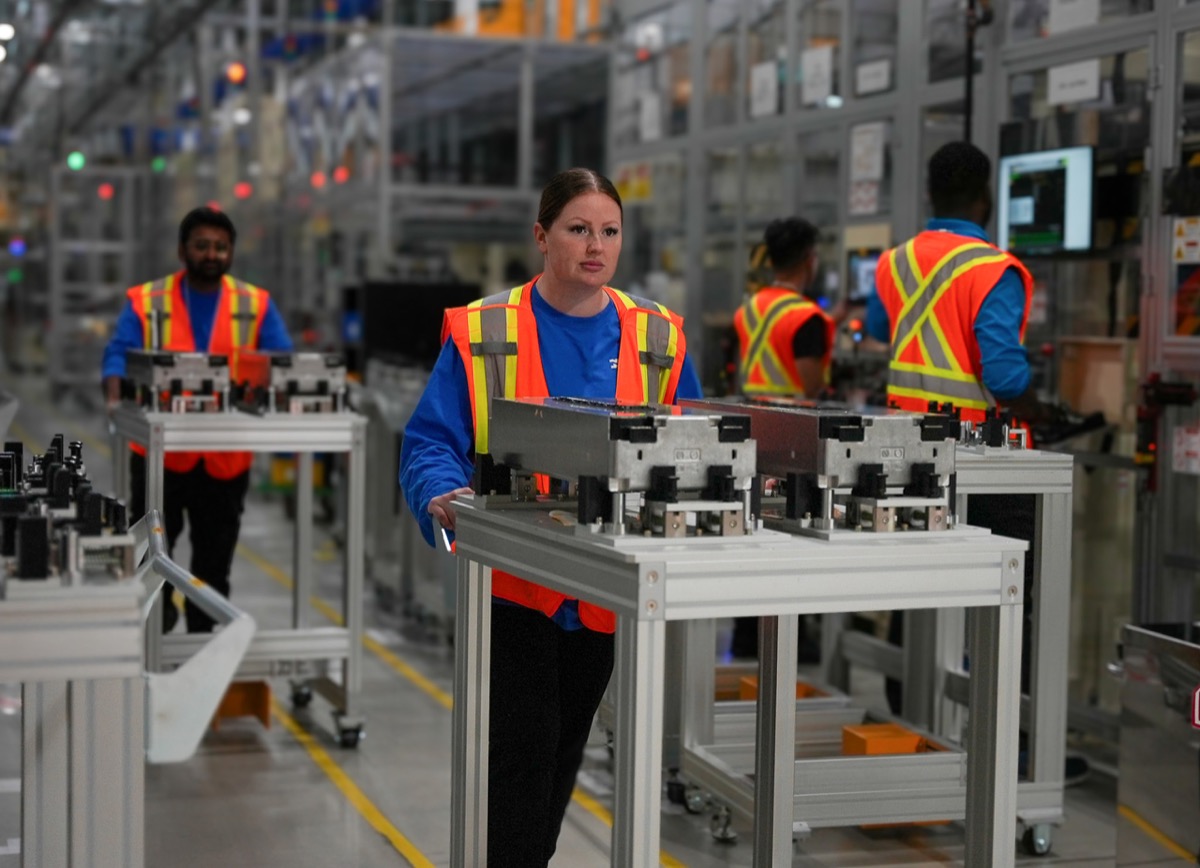
In a major shift in the electric vehicle market, Stellantis is selling its 49% stake in the Windsor, Ontario, battery plant to its partner, LG Energy Solution, for just $100 US. The move is part of what Stellantis CEO Antonio Filosa calls a “decisive reset”.
“We are resetting our product plan and our EV supply chain, to reflect much more real customer demand and shifting regulation,” Filosa said. Despite the exit, he noted Stellantis remains a customer, calling the deal a “smart, strategic step”.
LG Energy Solution now holds full ownership of the NextStar Energy facility. CEO David Kim stated that full ownership allows the company to “respond swiftly to the growing demand” and secure additional North American customers.
Ontario Premier Doug Ford downplayed the impact on the province’s auto sector, noting the plant’s 1,300 employees. “Stellantis is making a financial decision… I think it was a good business decision, to be frank with you,” Ford said to The Canadian Press.
Nearly four years ago when this Windsor plan was announced, François-Philippe Champagne, then Minister of Innovation, Science and Industry, said the “announcement is great news for Canadian jobs and the future of Canada’s economy,” adding “we are seeing the largest investment in Canada’s auto sector, and it is clear that companies recognize Canada’s strong position as a global leader for EV battery manufacturing.”
The move follows a major reset by Stellantis, which announced a US$26.2 billion (22.2 billion euro) write-down tied to its electric vehicle strategy.
Ottawa has previously committed up to a whopping $10 billion in production subsidies for the project, with the Ontario government contributing another $5 billion. In November, the companies said batteries produced at the plant would be redirected toward power grid storage systems, rather than being used mainly in electric vehicles as originally planned.
The federal government recently adjusted its strategy, dropping EV mandates in favour of stricter emissions standards, while bringing back the $5,000 federal EV rebate. Prime Minister Mark Carney emphasized that “the future of the auto industry is increasingly electric and connected”.