
Editor’s Note: This is a developing story.
Kyiv Independent journalists on the ground reported hearing explosions in the capital around 9 p.m. local time on Feb. 8.
Explosions were first reported about 5:30 p.m. amid a ballistic missile threat. Kyiv Mayor Vitalii Klitschko confirmed the attack, saying Ukraine’s air defense was working to intercept the missiles, and officials urged residents to remain in shelters.
Immediately after the attack power went out in at least one district in Kyiv ahead of schedule.
The attack comes amid Russia’s ongoing drone and missile campaign against Ukraine’s energy infrastructure, which has severely damaged the country’s energy grid and forced it to impose lengthy blackouts amid freezing temperatures.
Earlier on Feb. 8, Ukrenergo, the state-grid operator, said that Ukraine’s energy system remains under severe strain, with nuclear plants partially disconnected from the power grid following Russia’s mass attack on Ukraine’s critical infrastructure overnight on Feb. 7.
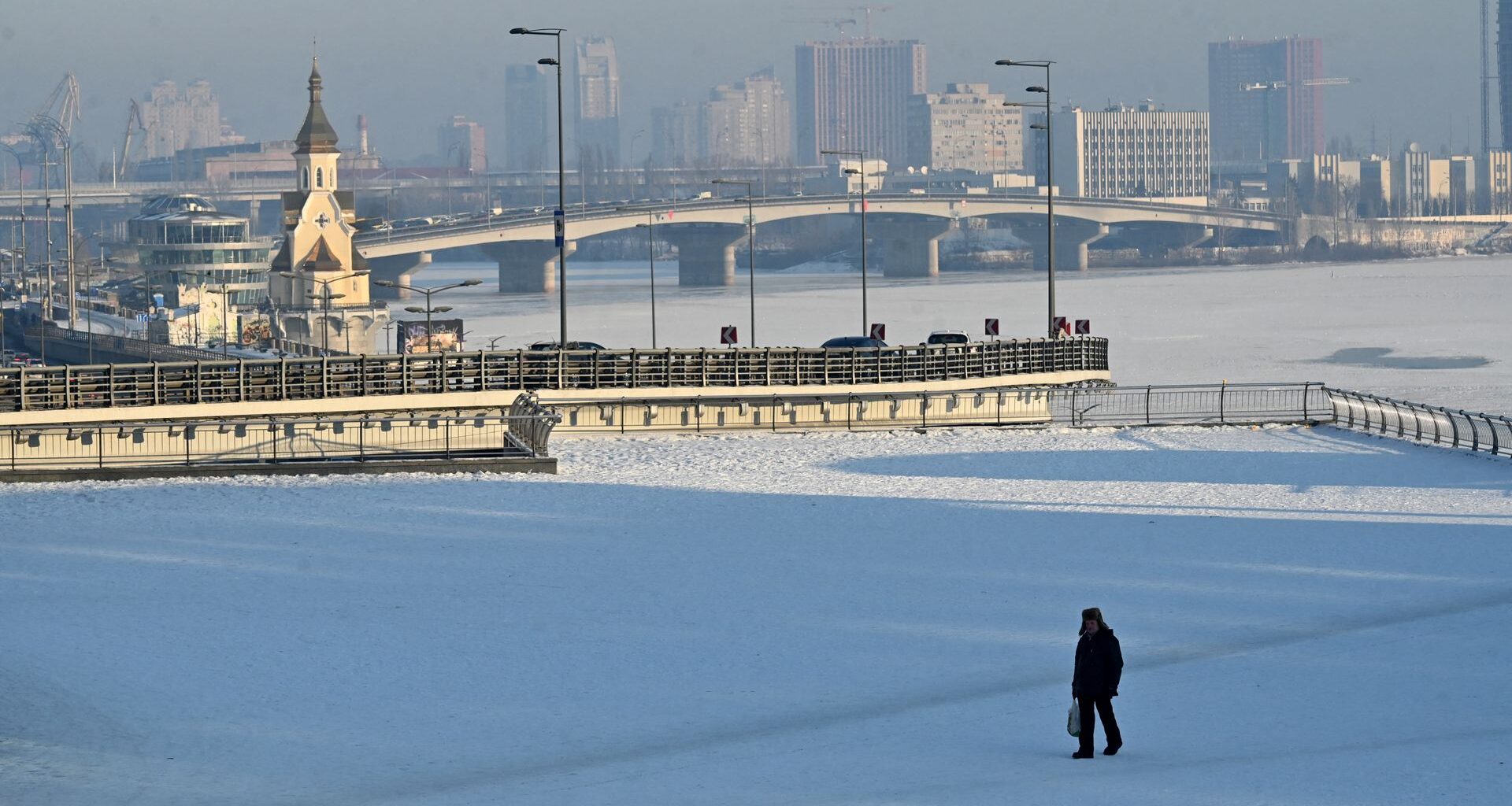
One of the worst situations is in Kyiv, where residents have received just one-and-a-half to two hours of power per day for several days. The Feb. 7 attack came ahead of another cold snap in Kyiv, with temperatures expected to drop to –19 degrees Celsius (–2 degrees Fahrenheit) in the coming days, further straining the energy system.