

Listen to this article
Estimated 4 minutes
The audio version of this article is generated by AI-based technology. Mispronunciations can occur. We are working with our partners to continually review and improve the results.
A $13-million calculation error in a Vancouver land sale deal is one of several issues raised in a new report from the city’s independent auditor general that questions how it deals with public land transactions.
Mike Macdonell’s latest report, released this week, concluded that the city cannot show it maximized the value of its land sales and exchanges because it lacked a clear strategy and kept poor documentation of those deals.
“In 2024, my office received a whistleblowing complaint and the whistleblower said that they felt the city hadn’t received good value in certain land sale transactions,” Macdonell said.
His office examined 16 transactions out of 40 over an eight-year period between 2016 and 2024.
“There’s only one chance to get it right. You sell a piece of property, then that’s gone,” he said. “And there’s no do overs or anything like that.”
The auditor found that out of the 16 transactions 14 were initiated by potential buyers or developers and not the city. According to the report, Vancouver has largely been reacting to offers and not “proactively” using its land portfolio to advance priorities like affordable housing.
“The vast majority of the transactions we looked at were kind of done on an ad hoc basis,” Macdonell said.
He says the council was not routinely given key information on payment conditions, extensions and interest payments.
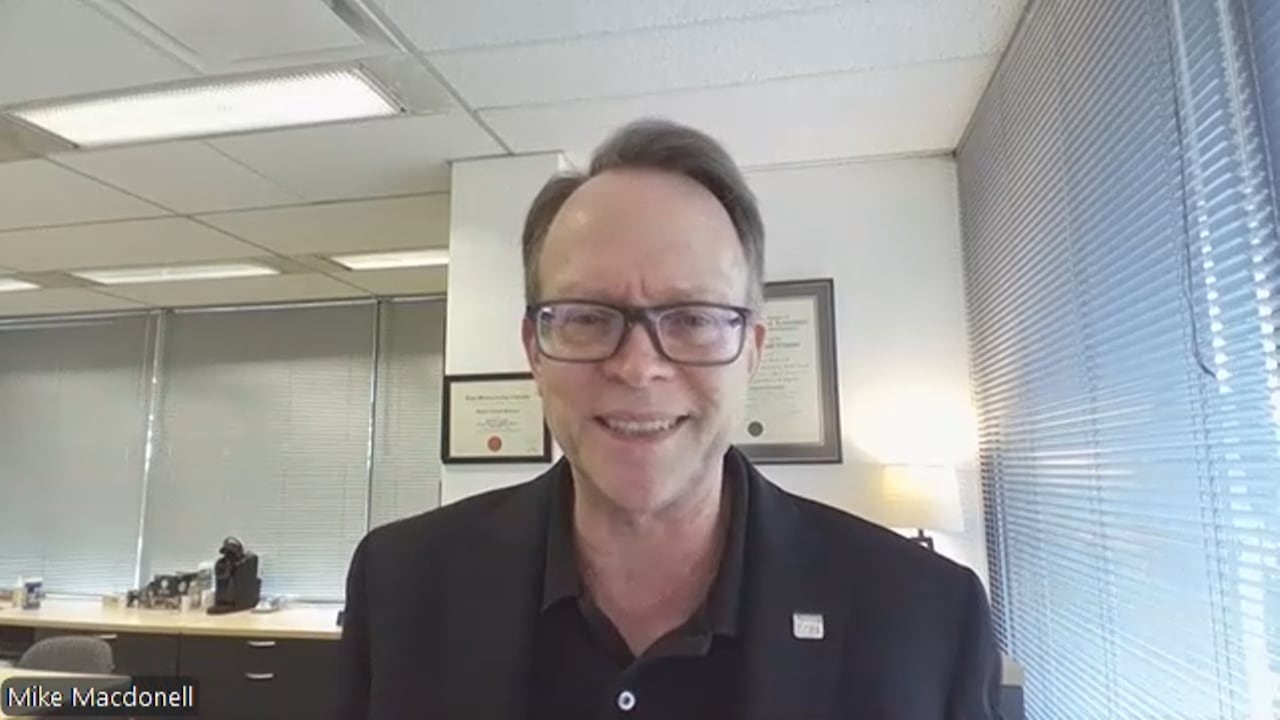 Auditor General Mike Macdonell says the city’s system for selling and exchanging public land has been ad hoc and not well-documented. (CBC)
In two transactions worth more than $90 million each, payments were delayed for years and the city did not charge interest, despite existing policy outlining it should have. Had interest been applied at the time, the city could have been entitled to roughly $26.3 million in interest payments alone, the report says.
$13-million calculation error
The report also highlights one transaction where the council was not advised of a staff calculation error.
In the sale of 601 Beach Crescent, the auditor says city staff made an error that understated what a developer owed by nearly $13 million.
In the same deal, the city also agreed to pay a $12.1-million community amenity contribution that was legally the developer’s responsibility, but council was never informed.
“I think a lot of it was because the documentation was disorganized,” Macdonell said. “The guidance that the city had on guiding staff and how to conduct these transactions was out of date, sometimes it was contradictory.”
Required checklists were often incomplete or missing, problems, which he says, the city’s own internal audit flagged back in 2018.
“That was disappointing … and nothing’s changed,” he said.
In about half a dozen transactions, the report found that council gave approval without being made aware that the agreed sale price was below the appraised value.
Differences in sale price and appraised value in each of those six cases ranged from $50,000 to $2 million.
Report doesn’t fully reflect complexity of transactions: city
Macdonell is presenting the report to the auditor general committee on Thursday where he will be seeking the council’s endorsement of his 10 recommendations to maximize value out of land sales.
“There’s no rocket science in any of these recommendations … they’re all pretty common sense,” he said.
These recommendations include creating a proactive land strategy, clarifying and updating the land sales policy, providing council with clearer information and improving record-keeping.
In a written statement, city manager Donny van Dyk’s office said staff agree with “many” of the recommendations, but said the audit doesn’t fully capture how complex these negotiations can be.
“Land transactions, particularly those involving complex Community Amenity Contribution negotiations, require careful consideration of market conditions, financial feasibility, and the City’s long-term policy objectives,” the statement said.
“These negotiations often involve balancing multiple interests to achieve fair and sustainable outcomes for both the public and development partners.”
Still, the city said its real estate team is “committed to transparency, continuous improvement, and constructive collaboration” with the auditor’s office.