
The Government of British Columbia is throwing its support behind a private-sector push to make Vancouver the home of a brand new international financial institution aimed at strengthening global security — a move that could bring thousands of high-paying jobs and introduce the city to a permanent major role in international relations.
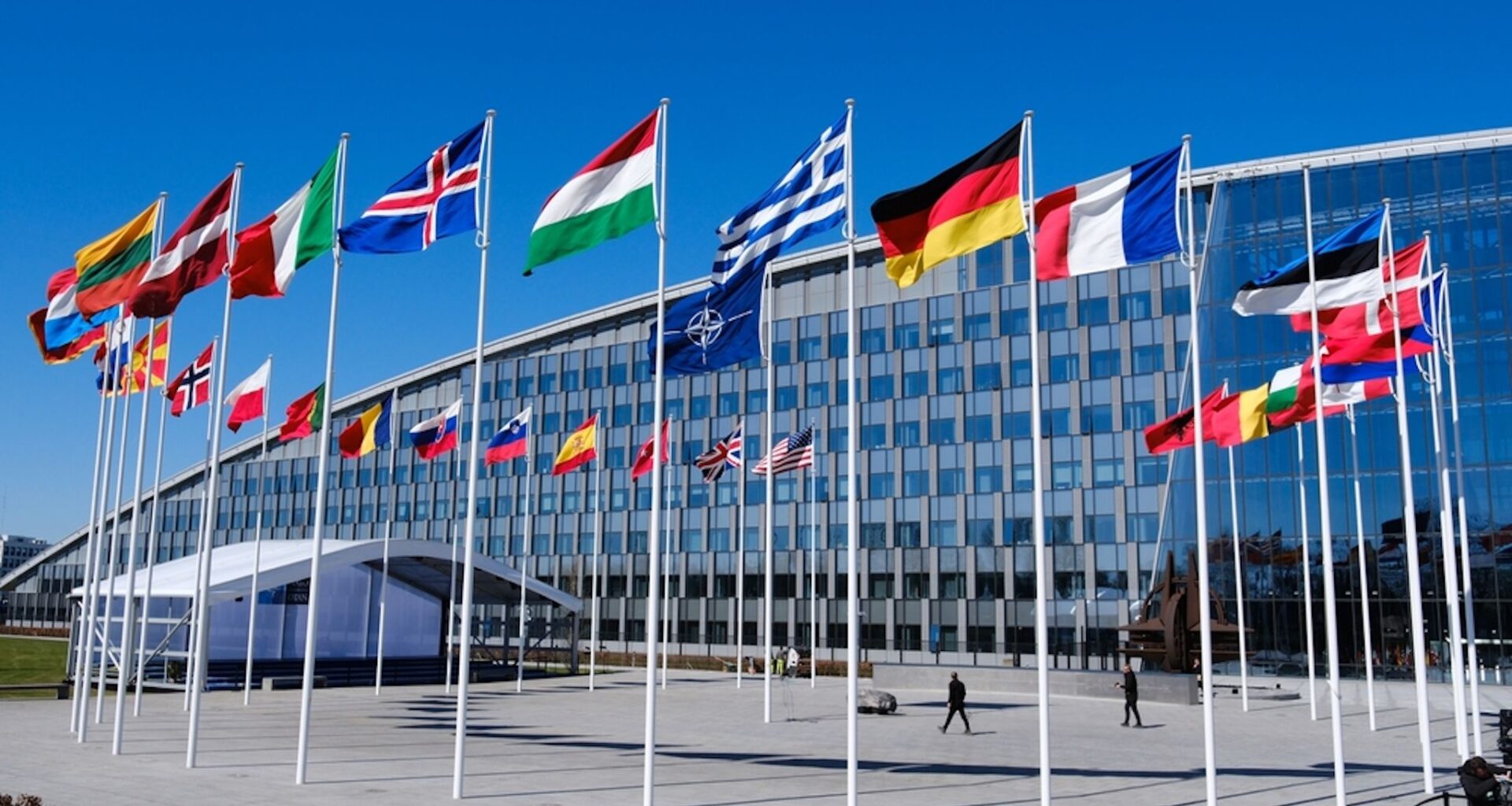
The proposal would see Vancouver become the headquarters office of the Defence, Security and Resilience Bank (DSRB), a newly created multilateral institution designed to finance defence, security, and resilience projects for North Atlantic Treaty Organization (NATO) members and allied nations.
DSRB is being set up by NATO countries and their allies to help pay for big, expensive projects linked to defence, security, and protecting critical infrastructure. In simple terms, it would work a bit like the World Bank, which is headquartered in Washington, D.C., but with a focus on security: instead of funding roads, schools or hospitals, it would help governments and partners finance things like defence equipment, secure supply chains, and systems that make countries more resilient.
“Around 70 per cent of NATO countries face higher borrowing costs than AAA-rated nations like Germany,” according to DSRB’s website.
“The DSR Bank, equipped with its own AAA rating, would pool allied credit strength to unlock low-cost capital. This allows member governments to access affordable defence financing, guarantees for commercial banks, and support for defence-relevant firms — without adding to their national deficits. It is a practical and powerful way to finance security through allied solidarity.”
Once it is up and running, potentially by late 2026, the DSRB is expected to become a key tool for helping allied nations share the cost of keeping themselves — and each other — more secure.
Canada is among the countries vying to host the bank’s headquarters, which is expected to include up to 40 member states once fully established. If this country is chosen as the location for the headquarters office by NATO countries, the Government of Canada, more specifically Prime Minister Mark Carney, is expected to decide on the host city.
Several other Canadian cities are also in the running to host the DSRB. Toronto is pitching its existing role as the country’s financial hub, while the Ottawa-Gatineau region is promoting its proximity to federal institutions and the defence and diplomatic community.
Montreal has also signalled interest, pointing to its strengths in aerospace, research, and international engagement, setting up a competitive, multi-city race within Canada.
Currently, the most prominent global multilateral organization with a headquarters office in Canada is the Montreal-located International Civil Aviation Organization (ICAO), which is the United Nations agency that sets global standards for civil aviation and brings together member states from around the world.
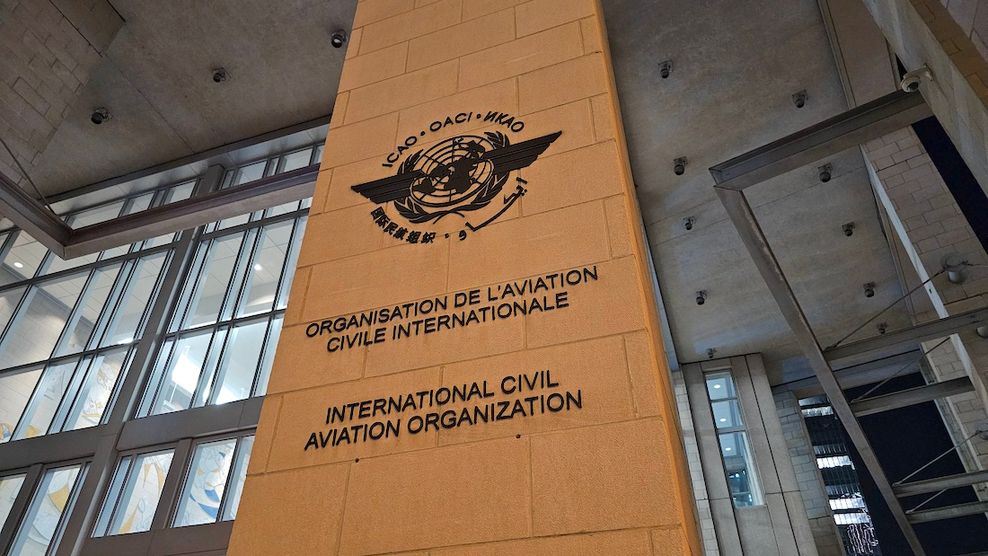
Downtown Montreal global headquarters office building of the United Nation’s International Civil Aviation Organization (ICAO). (Kenneth Chan)
B.C. Premier David Eby said Vancouver offers a rare mix of geography, infrastructure, and international ties that make it a natural fit for the institution.
“Vancouver is the perfect place to establish the headquarters of this new bank,” said Eby. “B.C. has what the world needs, as well as major ports and strong relationships with NATO nations and allied partners. As the economic engine of the new Canadian economy, we are ready to seize the economic and strategic advantages in hosting a global institution of this scale.”
If the bid succeeds, early estimates suggest the headquarters office could support about 3,500 high-paying jobs across fields such as defence finance, international operations, research, and analysis. Vancouver would also become a regular meeting place for delegations from member countries, bringing a steady stream of international visitors and investment attention to the region.
Ravi Kahlon, B.C.’s minister of jobs and economic growth, said the bid fits squarely within the provincial government’s broader economic strategy.
“British Columbians understand that our national security and defence capabilities matter now more than ever,” said Kahlon.
“Hosting the DSRB headquarters in B.C. aligns with our Look West plan and is an important step that allows our province to expand Canada’s defence capacity, while anchoring investments that will create opportunities for people and communities across B.C. and Canada. This positions us to play an essential role in Canada’s security, while building a stronger economy for British Columbians.”
Supporters of the Vancouver bid point to the city’s position on the Pacific coast as a strategic advantage, arguing it offers unique time-zone coverage and connectivity between North America, Europe, and the Indo-Pacific. The region is also home to Canada’s largest port and a major international airport with direct links to many allied countries, factors proponents say would make it easier for the bank to operate on a truly global footing.
Business and civic leaders have rallied behind the proposal, arguing that Vancouver already has the office space, talent base, and diplomatic presence needed to host a large multilateral institution.
“Vancouver is the strategic choice for the Defence, Security, and Resilience Bank,” said Bridgitte Anderson, president and CEO of the Greater Vancouver Board of Trade.
“Our city offers a secure, world-class environment that naturally attracts global talent. With a deeply integrated international business community, Vancouver is ready to accelerate the bank’s operations and deliver immediate results for our collective security.”
The bid is being led by the Pacific Security Bank Bid Committee, a group that includes executives from finance, transportation, real estate, industry, and Indigenous economic organizations. This is Vancouver’s first major local bid effort to secure a global headquarters in nearly a decade, ever since Amazon launched its HQ2 bidding process.
Their pitch emphasizes not only Vancouver’s global links, but also B.C.’s growing footprint in sectors such as marine technology, aerospace, artificial intelligence, quantum computing, and cybersecurity — industries that increasingly overlap with defence and security priorities.
Vancouver Mayor Ken Sim said the city’s geographic reach gives it a practical edge over other potential Canadian hosts.
“Our city is in a strategic position unlike anywhere else in the country. We’re the only city in Canada that can conduct business across the Indo-Pacific, Europe, and Arctic time zones within a single business day, a critical advantage in a rapidly shifting global environment,” said Sim.
“Vancouver already has the secure space needed for the DSRB and the robust consular corps and private sector needed to support its ongoing operation. Put simply, Vancouver is the city with the readiness, strategic location, private-sector strength and secure, trusted access to world markets make the DSRB effective on day one.”
The DSRB is being positioned as a response to a rapidly changing global security environment, where national governments are increasing spending to protect borders, secure supply chains, and meet geopolitical commitments.
In October 2025, Carney announced the creation of the federal government’s new Defence Investment Agency (DIA) to overhaul how Canada buys and builds defence equipment, streamline procurement processes, and boost domestic industry.
DIA’s work is tied directly to Ottawa’s broader defence strategy, which includes having the federal government finally meet NATO’s long-standing target of spending two per cent of GDP on defence and security — starting in the 2025/2026 fiscal year — and aligning with the alliance’s commitment for each member state to reach five per cent of GDP by 2035.
Establishing the DIA is meant to help Canada make those targets achievable by accelerating project delivery, strengthening supply chains, and aligning procurement with industrial growth, while enhancing military capabilities and economic benefits at home.