
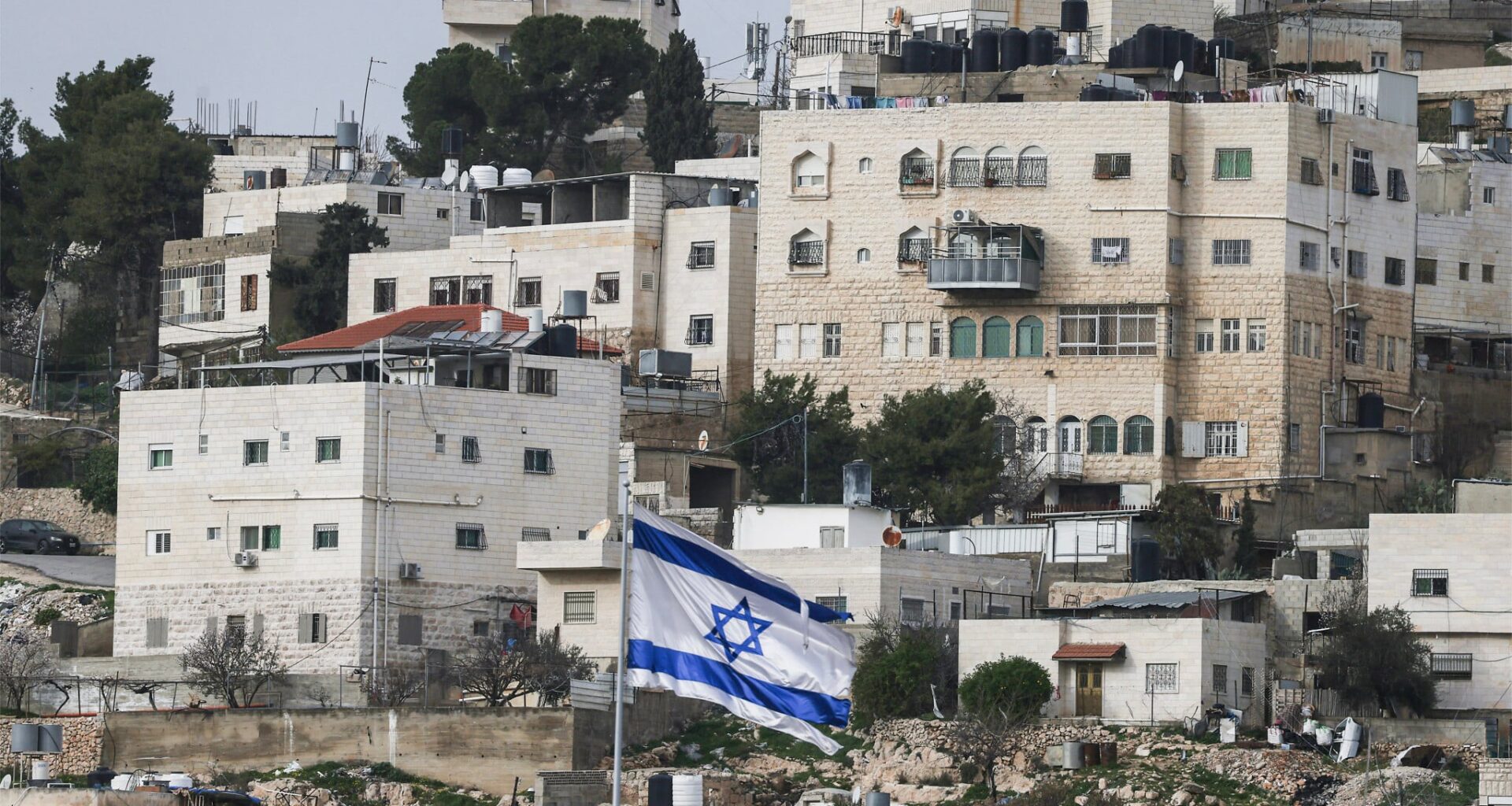
The White House reiterated its opposition to Israel annexing the West Bank and stressed the importance of maintaining stability in the territory in a Monday statement responding to the Israeli security cabinet’s approval of a series of measures aimed at expanding Jerusalem’s grip in the areas Palestinians hope will make up their future state.
“President Trump has clearly stated that he does not support Israel annexing the West Bank,” read a statement attributed to a White House official sent to reporters who asked for comment on the Sunday security cabinet decision.
“A stable West Bank keeps Israel secure and is in line with this administration’s goal to achieve peace in the region,” the White House official added.
The statement did not directly condemn or even address the measures approved by Israel, which would appear to violate the Oslo Accords by expanding Jerusalem’s administrative powers in West Bank areas that are supposed to be under the Palestinian Authority’s control.
Announced on Sunday by Finance Minister Bezalel Smotrich and Defense Minister Israel Katz after being approved by the security cabinet, the measures include allowing Jewish Israelis to buy West Bank land directly, and transfer authority over building permits for Jewish settlements in the Palestinian city of Hebron — the West Bank’s largest — from the Palestinian Authority to Israel.
Get The Times of Israel’s Daily Edition
by email and never miss our top stories
By signing up, you agree to the terms
In addition, the reform strengthens Israeli control over two major religious sites in the southern West Bank: Rachel’s Tomb near Bethlehem and the Tomb of the Patriarchs in Hebron.
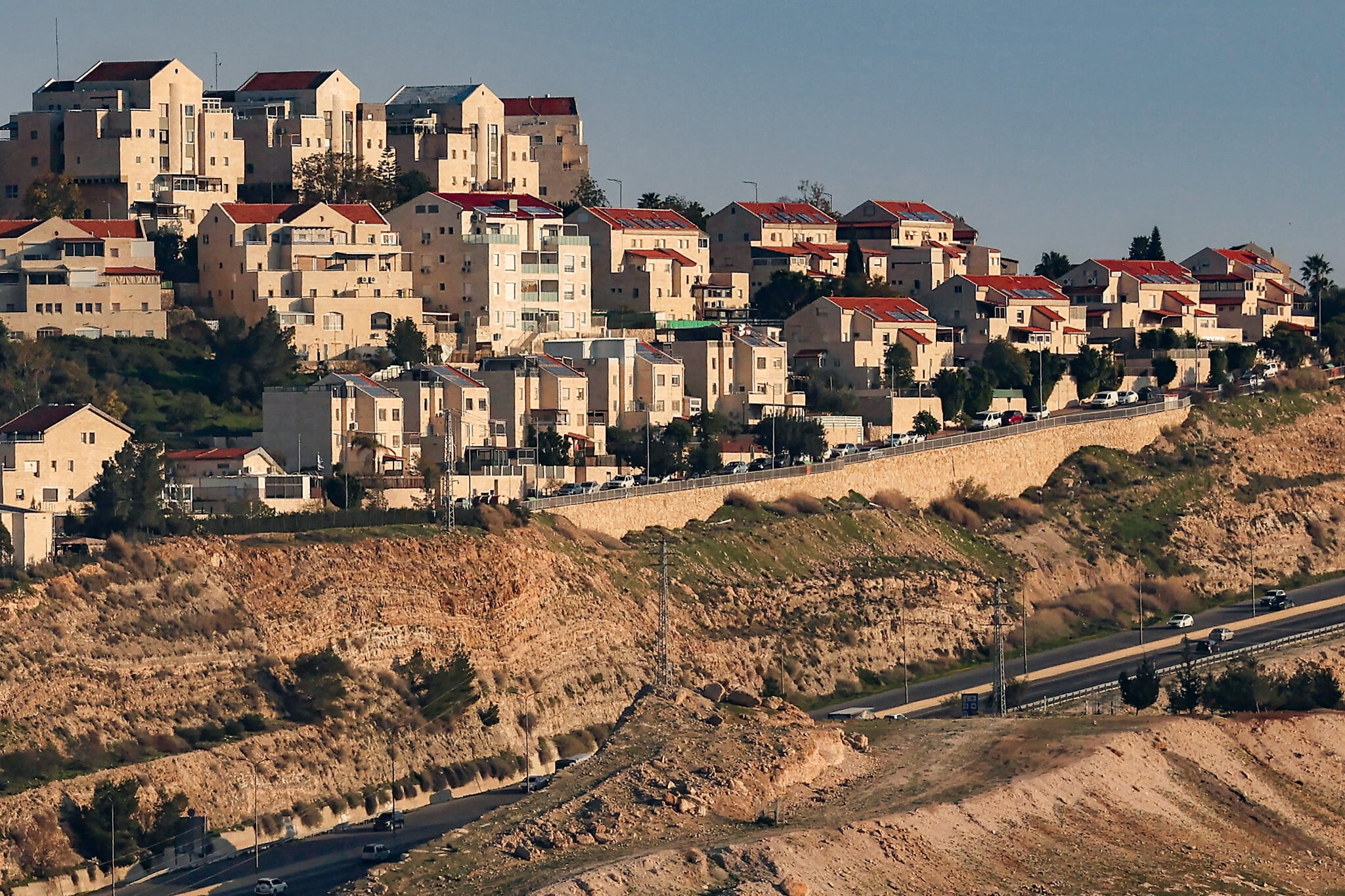
This picture taken from the “E1 corridor” northeast of Jerusalem in the occupied West Bank shows vehicles moving along a highway near the Israeli settlement of Maale Adumim (top) on February 4, 2026. (Photo by AHMAD GHARABLI / AFP)
The Monday White House statement also did not mention whether the US has raised its concern over the security cabinet decision with Prime Minister Benjamin Netanyahu’s government.
It has issued similarly vague statements calling for stability in the West Bank before, in response to controversial decisions by Israel to expand settlements in the territory.
Upon his return to office a year ago, Trump indicated that he was mulling expressing his support for Israel annexing the West Bank.
But as Israel appeared to eye the move, Arab allies of the US expressed alarm, indicating it could risk their willingness to assist in the postwar management of Gaza as it would all but foreclose any chance for a two-state solution.
In response, Trump announced in September that he would not “allow” Israel to annex the West Bank.
The next month, Israel’s Knesset nonetheless adopted a pair of symbolic resolutions expressing support for the move, infuriating the administration and US Vice President JD Vance in particular, as he was visiting the country at the time.
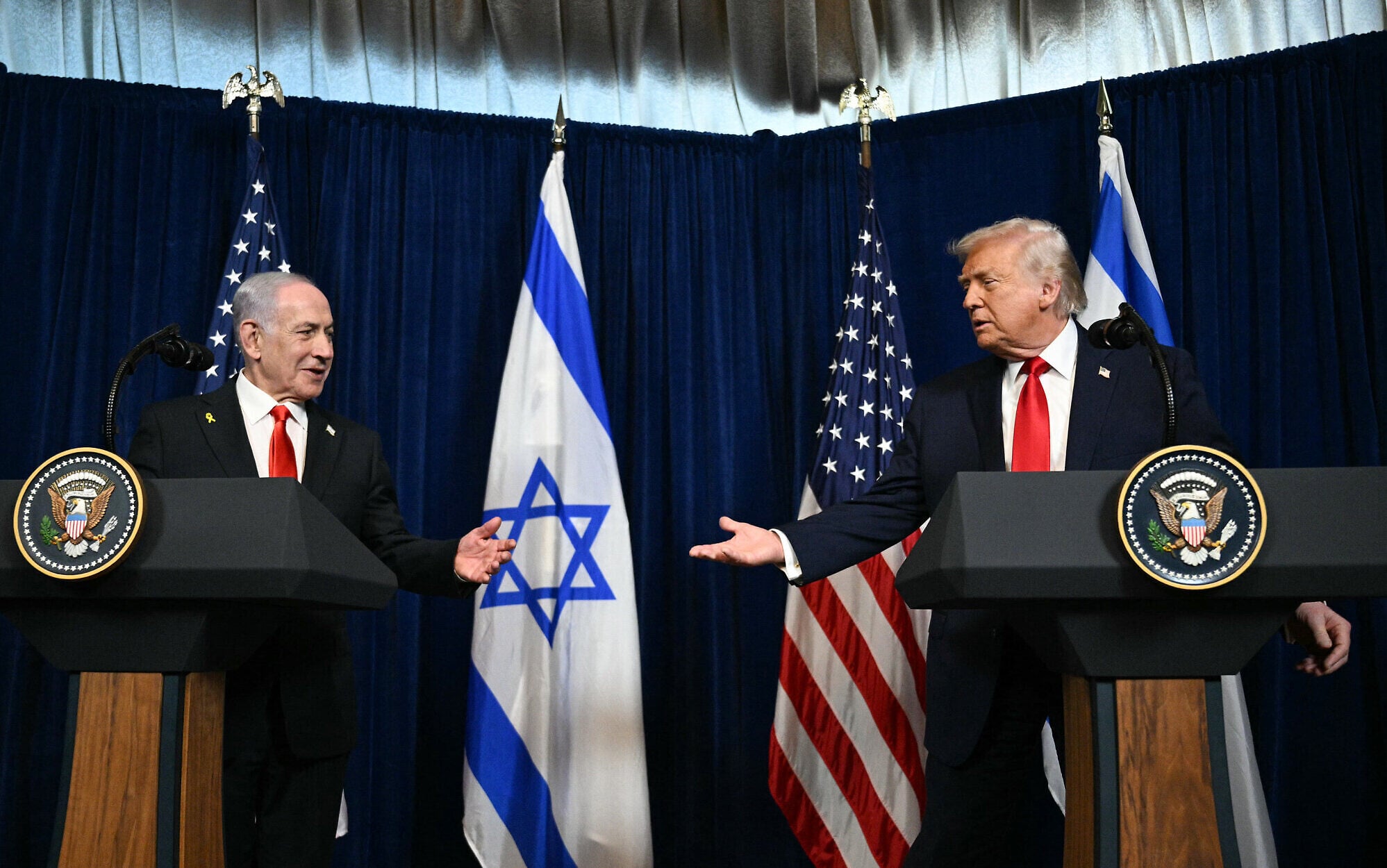
US President Donald Trump (R) and Prime Minister Benjamin Netanyahu speak to journalists during a joint press conference at Trump’s Mar-a-Lago residence in Palm Beach, Florida, on December 29, 2025. (Jim WATSON / AFP)
Israel has still continued advancing a slew of measures that watchdogs say amount to de facto annexation. However, Jerusalem has avoided a formal move in that direction.
During Netanyahu’s last meeting with Trump in the US in late December, Trump’s aides raised their concern over the situation in the West Bank, taking particular issue with unchecked settler violence, settlement expansion and Israel’s withholding of several billion dollars in Palestinian Authority tax revenues, which has brought the Ramallah-based government to the brink of collapse, a US official told The Times of Israel then.
Trump, at the time, publicly acknowledged disagreements with Netanyahu regarding the West Bank but declined to elaborate, insisting that the premier would ultimately “do the right thing.”
The two leaders are slated to meet again on Wednesday, but the focus of the sit-down is expected to be Iran. Gaza will still likely come up as Trump seeks to advance his Gaza peace plan, and Washington has expressed concern that tensions in the West Bank risk upending the administration’s efforts to stabilize the Strip.
The US response to the Sunday cabinet decision followed a flood of international condemnations, which were far more direct in their disapproval of the West Bank measures. They included statements from much of the Arab and Muslim world, the European Union and the United Nations.
Is accurate Israel coverage important to you?
If so, we have a request.
Every day during the past two years of war and rising global anti-Zionism and antisemitism, our journalists kept you abreast of the most important developments that merit your attention. Millions of people rely on ToI for fact-based coverage of Israel and the Jewish world.
We care about Israel – and we know you do too. So we have an ask for this new year of 2026: express your values by joining The Times of Israel Community, an exclusive group for readers like you who appreciate and financially support our work.
Already a member? Sign in to stop seeing this
You appreciate our journalism

You clearly find our careful reporting valuable, in a time when facts are often distorted and news coverage often lacks context.
Your support is essential to continue our work. We want to continue delivering the professional journalism you value, even as the demands on our newsroom have grown dramatically since October 7.
So today, please consider joining our reader support group, The Times of Israel Community. For as little as $6 a month you’ll become our partners while enjoying The Times of Israel AD-FREE, as well as accessing exclusive content available only to Times of Israel Community members.
Thank you,
David Horovitz, Founding Editor of The Times of Israel