
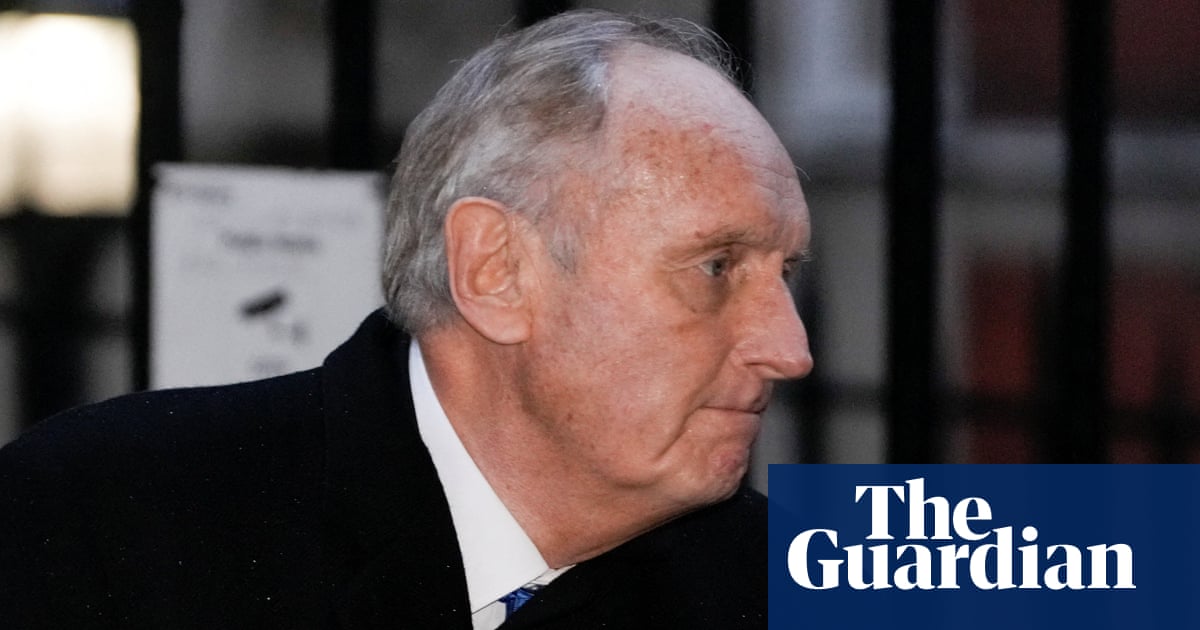
Paul Dacre, the longtime editor of the Daily Mail, has said it was “bitterly wounding” to face allegations that his journalists used criminal tactics to target the mother of a murdered teenager whose case he had championed.
Giving evidence in the high court, Dacre, who edited the paper from 1992 to 2018, said the “grave and sometimes preposterous” claims from Doreen Lawrence and six other claimants had “astonished, appalled and – in the small hours of the night – reduced me to rage”.
However, he said that given the 15-year campaign the paper had waged to bring the killers of Lawrence’s son Stephen to justice, he found her claims “especially bewildering and bitterly wounding to me personally”.
Associated Newspapers Ltd (ANL), which publishes the Daily Mail and the Mail on Sunday, denies all the claims of unlawful information gathering made by a group of seven claimants. These include allegations of bugging, phone tapping, hacking and the “blagging” of documents.
As well as Lawrence, the claimants include Prince Harry, Elton John and his husband, David Furnish, and the actors Elizabeth Hurley and Sadie Frost. ANL denies all the claims.
Dacre said his “heart bleeds” for Lawrence. However, he said it was “inconceivable to me” that “lurid allegations” that she was targeted with landline tapping, hacking and electronic surveillance were anything other than preposterous.
He also said one of the articles Lawrence is complaining about, revealing that the then home secretary Jack Straw was ordering a public inquiry into her son’s murder, was given to Dacre personally by Straw.
“We were on friendly terms (having been students together at Leeds University) and occasionally had lunch or dinner,” Dacre said in a written submission. “At some stage in July 1997 Mr Straw called me to a meeting and volunteered the information that he was setting up an inquiry.”
The Daily Mail had a long-running campaign to bring Stephen Lawrence’s killers to justice. In February 1997, it ran a front page labelling five men – Gary Dobson, Neil Acourt, Jamie Acourt, Luke Knight and David Norris – as “murderers”, challenging them to sue for libel.
“Throughout my 26-year editorship, [the Stephen Lawrence campaign], of all my countless campaigns, many of which made a significant contribution to the public weal, is the campaign of which I am most proud and to which I devoted the most space,” Dacre said.
“If I had concerns about a story raised in conferences then I would be very forceful in making it abundantly clear that its provenance should be interrogated by the hierarchy. A favourite phrase of mine was ‘I smell danger here’. For example, if a story was worrying, distasteful, immoral, incredible, potentially libellous or in contempt of court or could have involved a breach of the editors’ code.”
In court, David Sherborne, the lead barrister for the claimants, told Dacre that a box had been found in the office of the Daily Mail’s managing editor. It contained records of payments to private investigators, including the criminal private investigator Steve Whittamore, amounting to more than £3m.
Sherborne repeatedly showed Dacre invoices that he suggested showed ANL journalists obtaining car records, ex-directory phone numbers and criminal record checks. He put it to Dacre that executives had signed off the payments.
While Dacre said he would need to see what stories the payments related to, he said most appeared to relate to finding addresses and phone numbers and that the law allowed journalists to make certain inquiries “in the public interest”.
Dacre said the information commissioner had ruled that there was “no evidence” that his journalists had asked private investigators to act illegally.
He said he “brought the shutters down” on the use of what he called “inquiry agents” after evidence emerged of their widespread deployment across newspapers, banning his journalists from using them in 2007.
Dacre also said a “sense of proportion is required” because the use of inquiry agent searches should not be compared to the allegations of bugging, tapping and hacking that had been made by the claimants.
Associated’s legal team said in written submissions that all the stories cited by the claimants had been obtained “entirely legitimately from information variously provided by contacts of the journalists responsible”.
Associated has said almost a “full roster” of journalists are “lining up to give evidence addressing the allegations against them”.
The trial continues.