

Aberdeen did not know, on Wednesday, January 21, what a special day it was. As weak sun broke through damp cloud to shine on grey granite, the residents did not realise they should soak it up — that they should savour the meagre warmth, take in the vitamin D.
But they should have. Because that was the last time the city saw the sun. And the rest of the UK — experiencing weather the Met Office calls “relentlessly wet” — has not done much better.
There are technical descriptions for what is going on. Forecasters talk of low pressure systems in a south-shifted jet stream. They mention temperature gradients and “blocking highs”.

Houndsfield Lane, in Hollywood, Birmingham, was among the places hit by flooding this week
JACOB KING/PA
There is a simpler description: for a month the weather has been stuck. And the setting it has been stuck on is “miserable”.
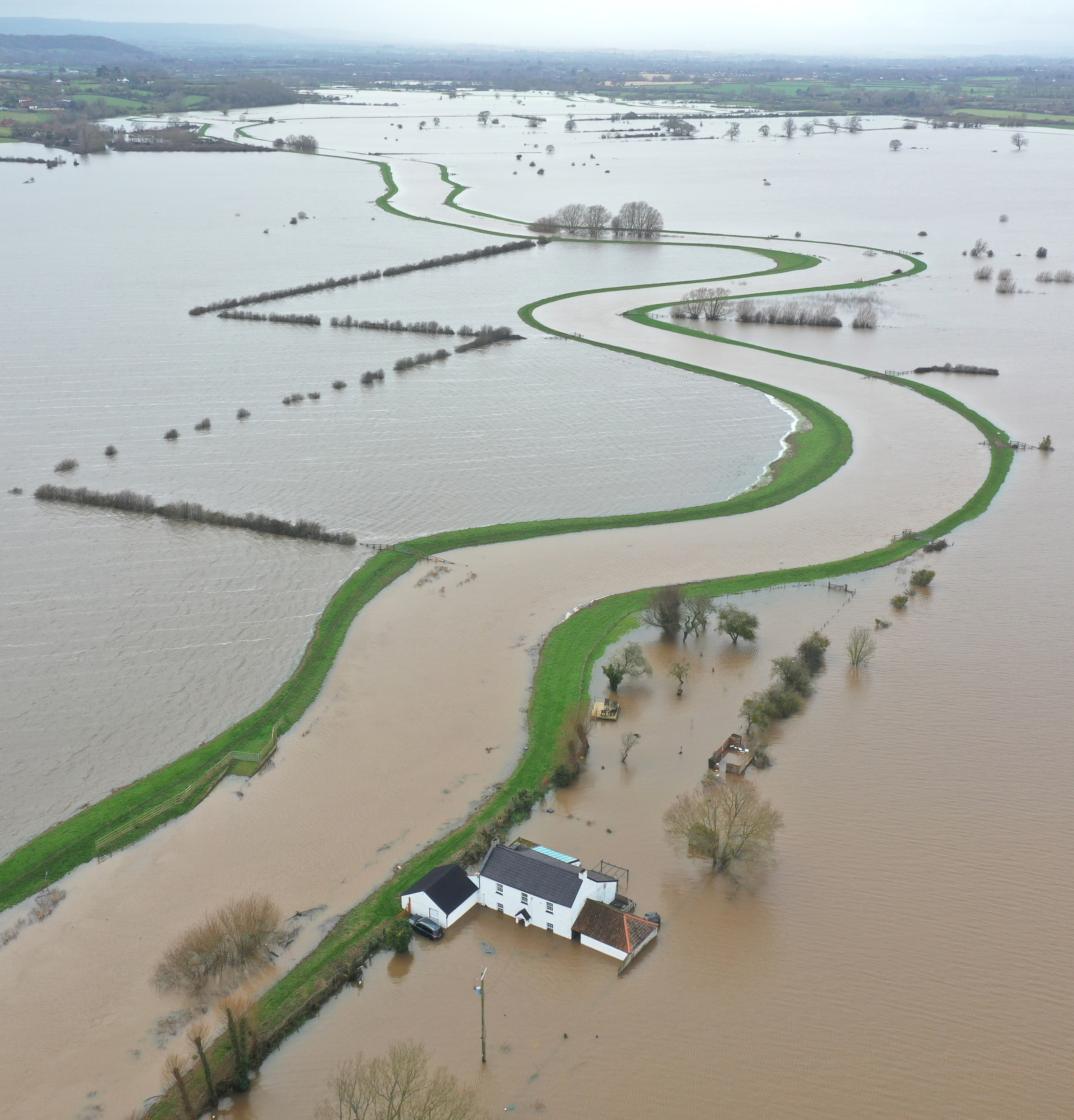
In England, which has had nearly 60 per cent of its average February rainfall, there are 97 flood warnings. In Northern Ireland it was the wettest January in 149 years. Everywhere, it has been damp, grey and dark.
Reading University has been recording rainfall since 1908. In all that time, the longest consecutive period with daily rain was 23 days. Exactly a week ago, they equalled that record. And, said Andrew Charlton-Perez, “We’re still going. We’re still on that streak.” Many parts of the country would consider them lucky. North Wyke in Devon and Cardinham in Cornwall have exceeded not merely Reading’s record but Noah’s, enduring more than 40 days of rain.

The Severn broke its banks on Tuesday, inundating Sandhurst Lane in Gloucester, among other areas
PAUL NICHOLL
Charlton-Perez, professor of meteorology at Reading University, said that on any one day the weather had not been that remarkable — even if some parts of the UK had broken daily rainfall records. What has been unusual is the persistence. “What is unique is that we have stayed in this pattern for a very long time. In a normal winter there are periods of high pressure, periods when the jet stream is steering storms into other places.”
This winter the jet stream, the Atlantic air current that controls much of our weather, has been steering the storms into us. There was a paradox here, said Charlton-Perez. This long extended period of very wet weather comes from a dynamical pattern, but a dynamical pattern that does not change very much.
We have, then, reached the apotheosis of British climate: unchangeably changeable weather. Why?
This week, Reading University is welcoming academics for a meeting for the UN intergovernmental panel on climate change. As those academics pack their umbrellas and dash between buildings, they will be wondering whether this weather is itself a reflection of climate change.
Charlton-Perez said it would be too soon to say. There were strong signs that British winters were getting wetter, “but when it comes to persistence, there’s not good evidence either way.”
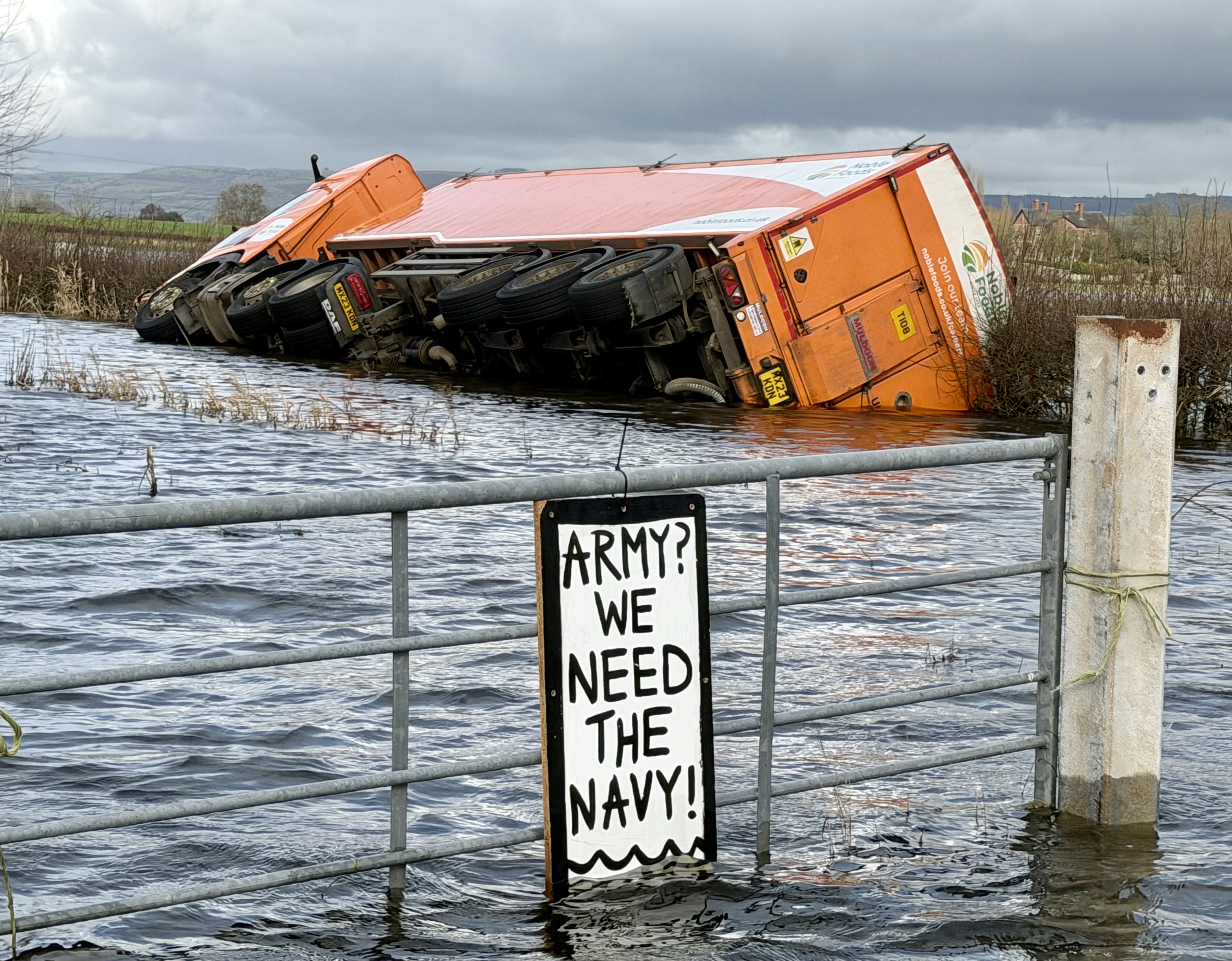
An abandoned lorry in Godney, Somerset
BNPS
How long will the persistence persist? For a while at least. This week looks as grey and damp as the week before and the week before that. But towards the end of Friday, the Met Office said, there was evidence of a change. “The long‑standing blocked pattern, which has kept low-pressure systems lingering to the west and unable to move eastwards, finally begins to break down,” it said. Colder, drier, weather is on its way.
So much so that soon even Aberdeen’s grey granite will glint in that long-forgotten balm: sunlight. On Saturday, clear skies and bright sun are forecast in northeast Scotland.
• The science that shows Britain is becoming sunnier (yes, really)
This time, residents should know to appreciate it — the Met Office said it was a “brief window”.
“Unfortunately, this break in the unsettled pattern won’t last long. The Atlantic is expected to reassert itself by early next week,” the organisation explained. With more low pressure systems arriving, unchanging changeability would then return.
What that means, for Aberdeen and much of the UK, is at least a week more of forecast rain. So although this Valentine’s Day we expect to glimpse the sun, it would be wrong to call it light at the end of the tunnel. More a skylight, in the middle of a long, bleak and damp tunnel. To which we are all about to return.