
But there are no firm details in the new ‘Transport Vision’
11:00, 11 Feb 2026Updated 11:02, 11 Feb 2026
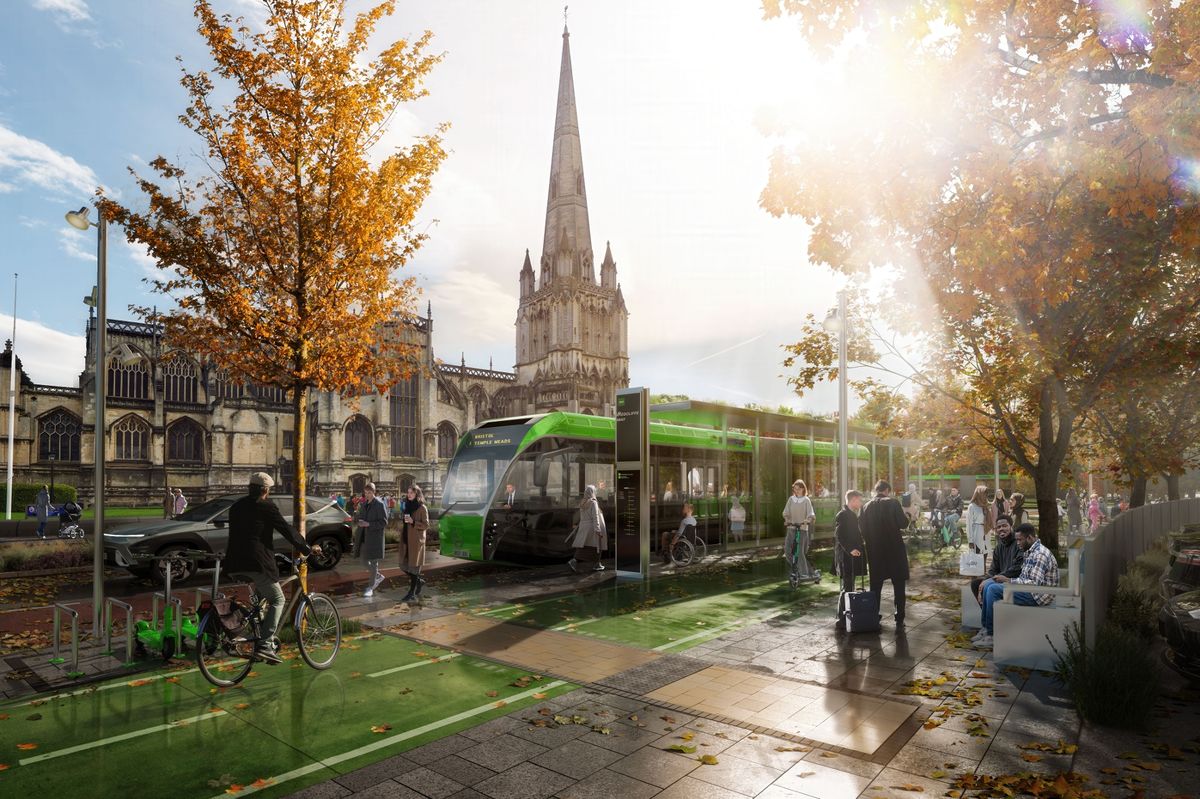
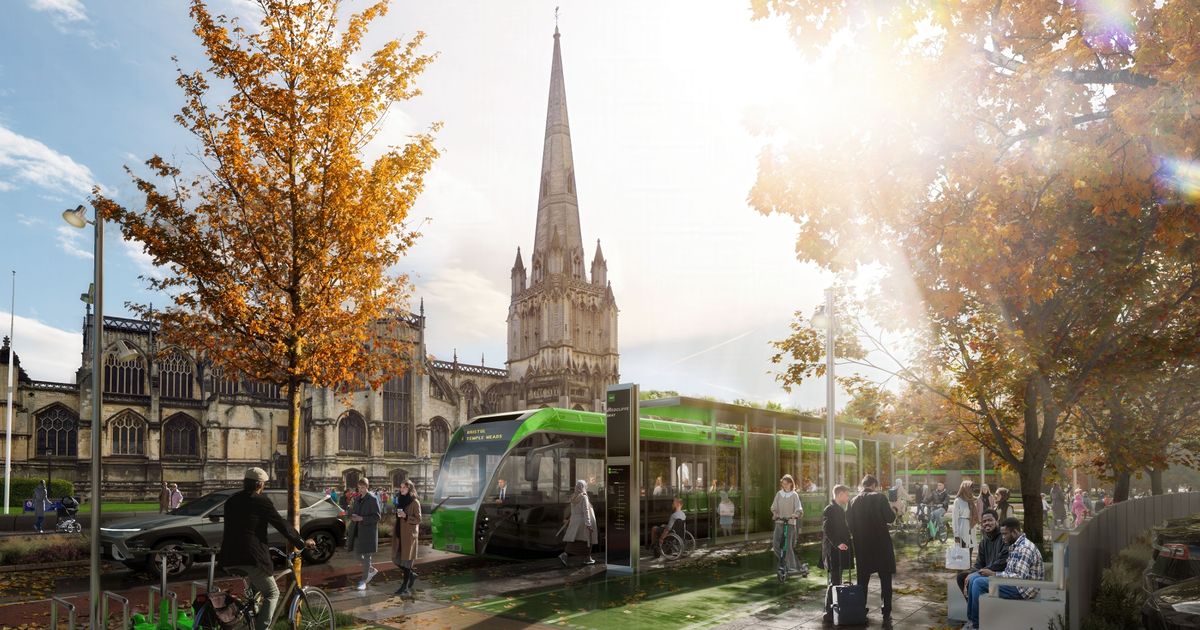
Images released by the West of England Metro Mayor Helen Godwin showing how a mass transit system could look, with trams at Bristol Airport and outside St Mary Redcliffe Church in Bristol.(Image: WECA)
The start of a new ‘mass transit’ system for Bristol could be up and running within four or five years, the West of England metro mayor has said, as she released images of what trams could look like at Bristol Airport and outside St Mary Redcliffe Church.
Metro Mayor Helen Godwin published her ‘transport vision’ report, which covers everything from new cycle lanes to an entirely new tram network, as a guide to how the West of England should start spending the £752 million the Government gave to the region for transport projects last year.
A full mass transit system of the kind enjoyed by other cities and regions in England would end up costing more than that, but Ms Godwin said she is keen to get started and ‘advance the business case at pace to develop a detailed blueprint for mass transit’.
The Transport Vision announced this morning at Ashton Gate Stadium is short on any kind of detail, however – aside from CGI images of a tram at Bristol Airport and another outside St Mary Redcliffe Church.
And those images in the ‘Transport Vision’ come with a caveat – a caption which reads: “Illustrative imagery only. Actual alignment, stop locations, and other design and planning details subject to development as part of business case progression, including public consultation and other activities.”
Instead, the vision repeated what Ms Godwin said after her election as metro mayor in May last year – that WECA would ‘remain open to different modes: tram, light rail, guided bus or metrobus extensions’.
READ MORE: West of England ‘short-changed’ by Government transport billionsREAD MORE: Bus franchising backed by all candidates standing in West of England mayoral election
But the pledge in the vision is clear – that WECA would ‘commence delivery of the first projects within 4-5 years’, and ‘deliver a segregated, high quality and high-frequency mass transit network’.
The mass transit system – whatever it looks like – would stretch far beyond Bristol itself. As well as identifying the need for a link between Bristol Airport and the city centre, the aim is for the mass transit system to spark economic development and growth in ‘growth zones’, including the ‘ North Somerset Growth Gateway’, which is around Weston-super-Mare and the M5, the controversial ‘Somer Valley’ growth zone, and the ‘West Innovation Arc’ – the name for the developments and future growth around the outside of the Avon Ring Road at places like Emersons Green.
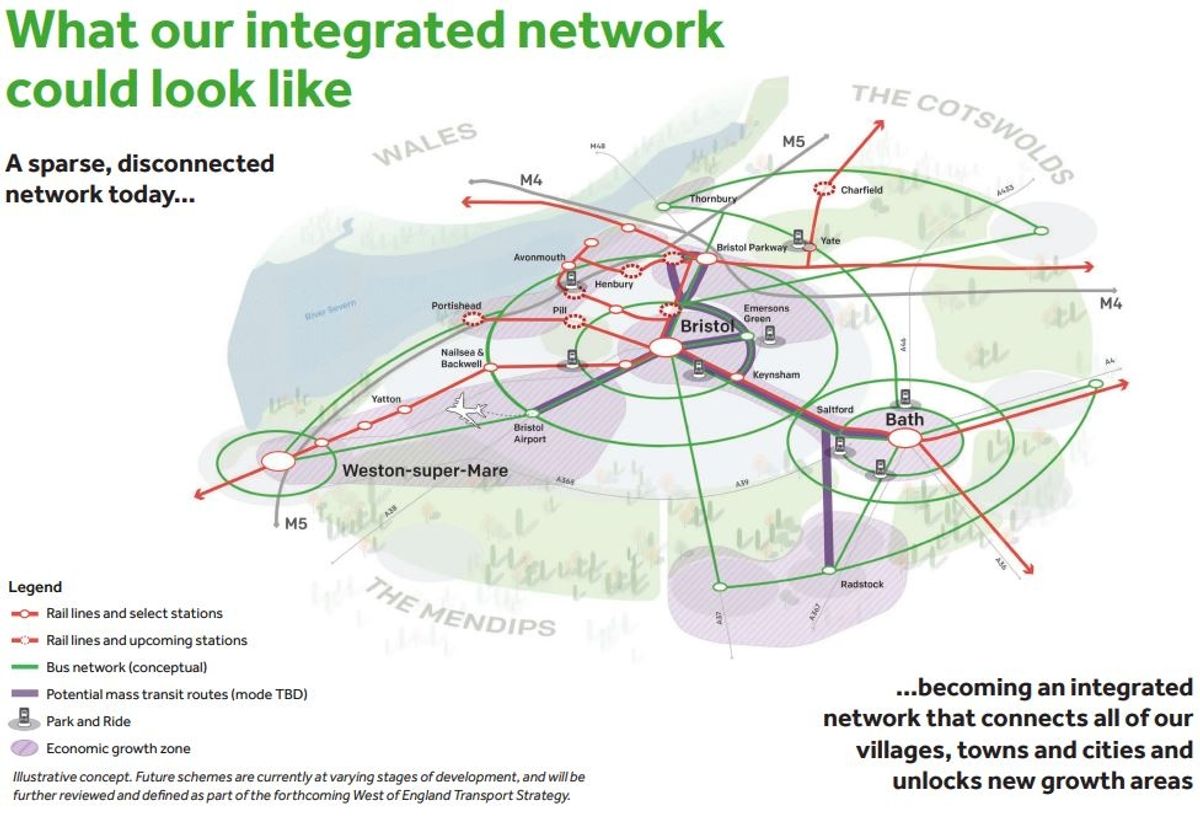
An illustrative map from the WECA ‘Transport Vision’, February 2026(Image: WECA)
The Transport Vision said that for too long Bristol and Bath had lagged behind other cities and regions in the UK, because of its lack of a proper transport infrastructure. And Bristol was way behind other European cities of a similar size that had complex mass transit systems like trams, underground trains and cable cars.
“The West of England is behind peer cities in the UK and abroad in providing high-quality mass transit,” the Transport Vision report stated. “We are the largest city-region in the country without a committed or operational mass transit system, and Bristol Airport is the largest airport in the UK without a fixed mass transit link.
READ MORE: New transport route to Bristol Airport ‘absolutely achievable’ but thousands of homes will need to be builtREAD MORE: Bristol Airport could get tram or rail link as £750m transport funding announced
“The National Infrastructure Commission identified the region as one of the four places in the UK most in need of mass transit investment. Beyond the UK, approximately 23 cities in France that are smaller than Bristol have a mass transit system,” it added.
The Transport Vision includes lots on cycling, buses and trains too, although there are no committed plans announced to open any new stations – just aspirations – or to take over control of the West of England’s bus services with a franchising system. On the long-called for bus franchising, there is merely a commitment to ‘explore new approaches to managing our bus network, including through greater local control’.
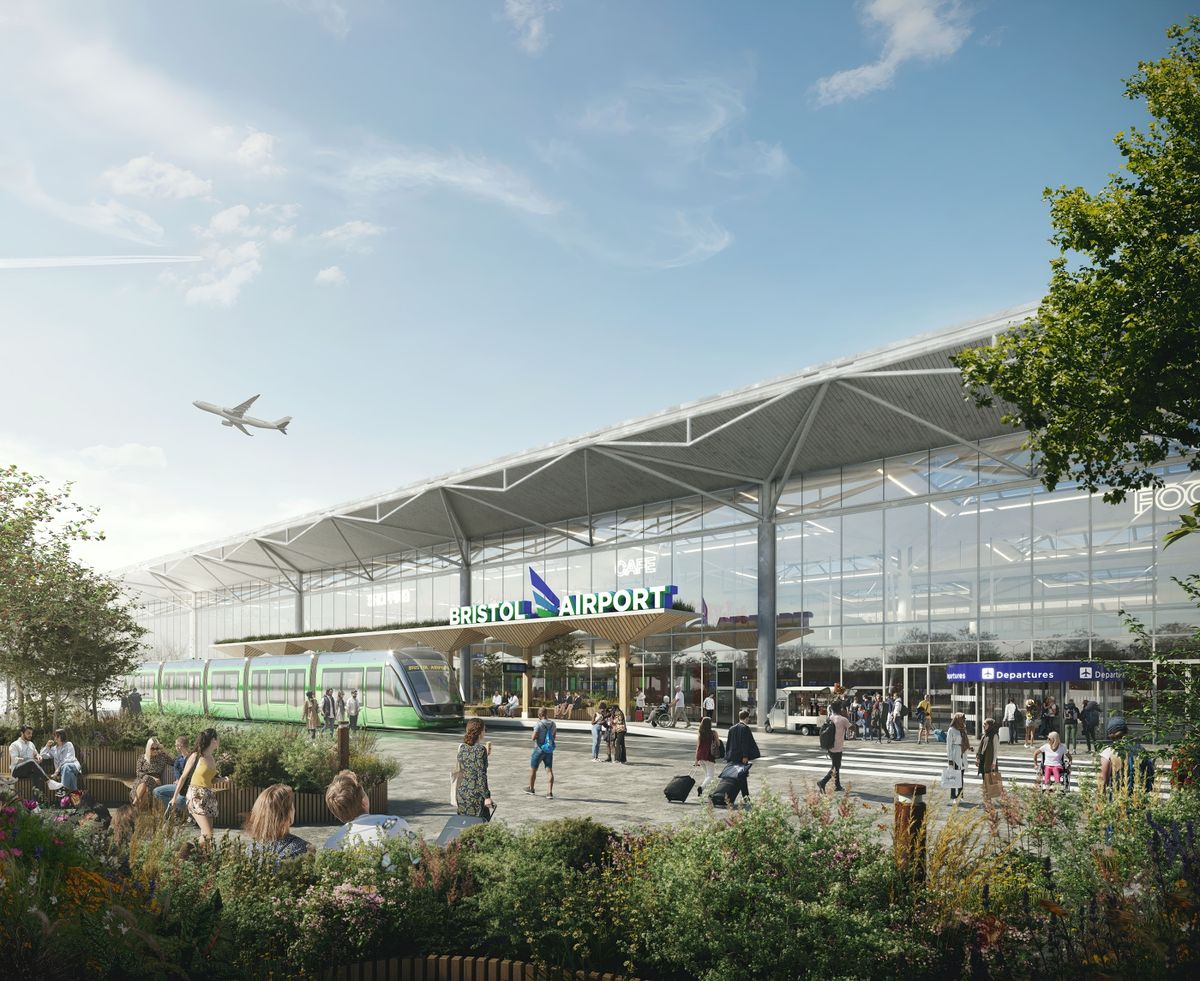
Images released by the West of England Metro Mayor Helen Godwin showing how a mass transit system could look, with trams at Bristol Airport.(Image: WECA)
“Nobody wants to sit stuck in traffic or hang around for a bus that never turns up,” said Metro Mayor Helen Godwin. “Our record transport investment secured from Government must make a real difference that people across the West can see and feel.
“We can start to give people their time back: to be home sooner, get out into nature more, or visit the many attractions that make our part of the world so special,” she added.
READ MORE: Park Street traffic ban plan bites the dustREAD MORE: Map reveals Bristol and Somerset areas set for major growth, jobs and better transport
“We need a transport system that people can trust, wherever they live. Together, we can and must deliver the integrated transport system that people need and deserve.
“As we lay the foundations with existing transport projects, and step things up a gear for better buses, more trains, and mass transit plans, we will seek our fair share of further funding to really get the West moving,” she added.
The ‘Transport Vision’ has been backed by the leader of Bristol City Council, Cllr Tony Dyer (Green, Southville). His council’s plans to create a clear run for buses up Park Street, as part of a wider plan to free-up a key cross-city bus route from the north west to the south east, was scuppered by Metro Mayor Helen Godwin last week, who said she wouldn’t be funding it from WECA’s transport budget.
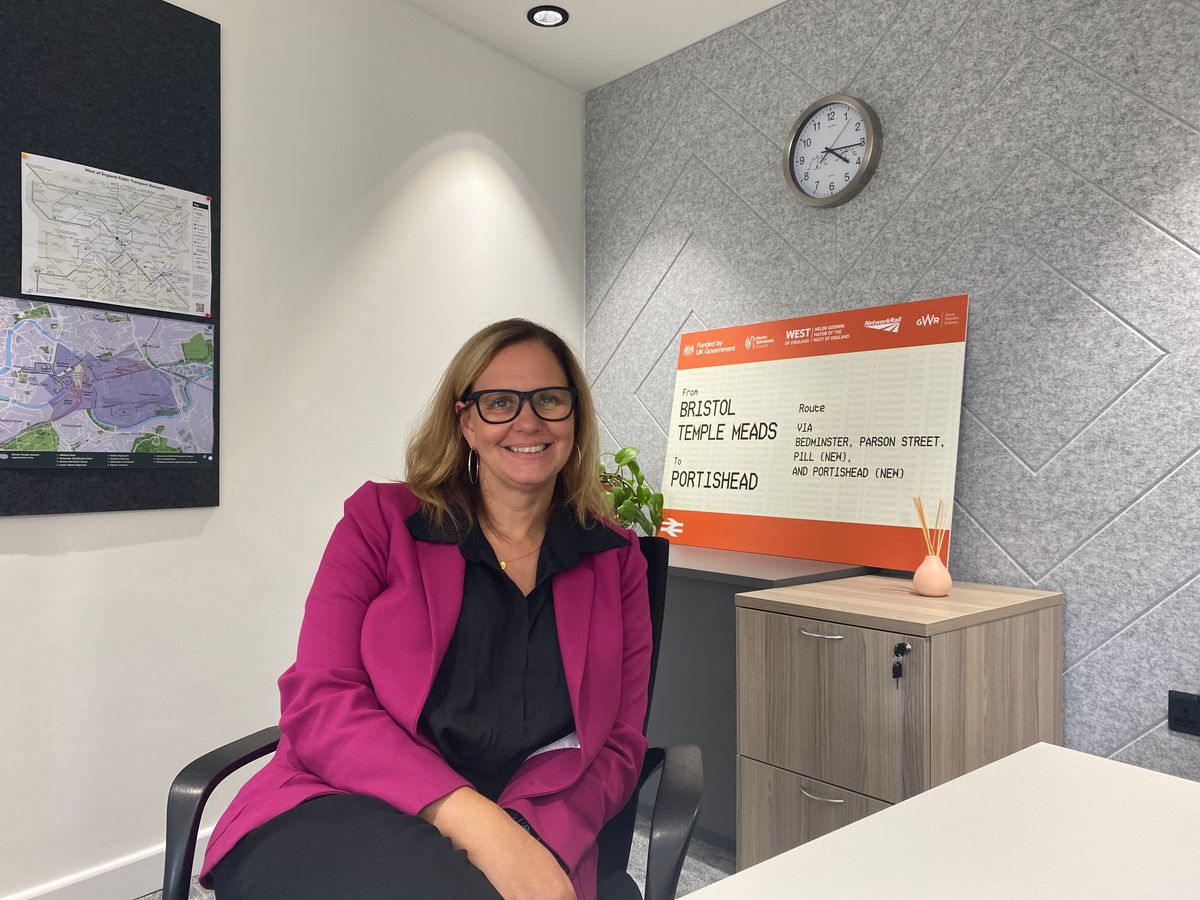
West of England Combined Authority mayor Helen Godwin(Image: John Wimperis)
But Cllr Dyer said the city was ‘crying out for real, sustained investment into our transport system’.
“We have already seen how beneficial targeted investment in our city’s transport system can be, from our new fleet of eco-friendly buses to new train stations that better connect our communities,” he said.
“Yet, we continue to be held back by a transport network that struggles to maintain pace with the growing demands of our city.
“That is why this newly set out vision is so important. Bristol continues to punch above its weight culturally and economically, yet we are still crying out for real, sustained investment into our transport system.
“Through this plan, we can take the first steps to delivering the modern, reliable, and future-proofed transport network, which includes a mass transit system, that our residents deserve and continue to unlock the full potential of our city centre and the wider region,” he added.