
Recovered footage from Guthrie’s doorbell camera sparks questions that Google and Amazon are storing customer video data even when they claim it has been deleted.
DENVER — The FBI’s recovery of surveillance footage from Nancy Guthrie’s doorbell camera has sparked concerns among technology experts who question whether companies like Google/Nest and Amazon/Ring are storing customer video data even when they claim it has been deleted.
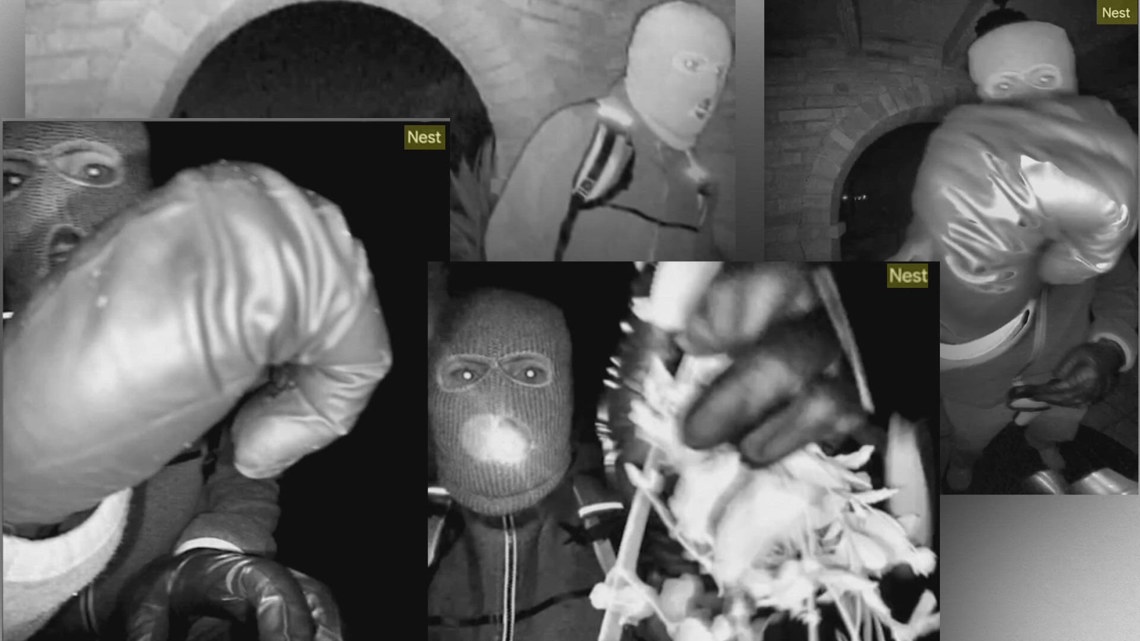
The FBI released images and video Tuesday showing a masked individual tampering with the camera at the Arizona home of the 84-year-old mother of “Today” host Savannah Guthrie. FBI Director Kash Patel said the footage was recovered from “residual data located in backend systems” through work with private sector partners, despite earlier reports that the footage was inaccessible.
The Pima County Sheriff’s Department had previously stated that investigators could not access the doorbell camera footage because Nancy Guthrie did not have an active subscription to the Nest camera service, and the camera had been disconnected.
“Residual would mean leftover, and in general, we think it’s either there or it’s not,” Steve Beaty, a computer science professor at Metropolitan State University of Denver, said.
Surveillance technology researcher and YouTuber Benn Jordan said the term “residual data” raised immediate red flags in his mind.
“It’s not like we have to flush out our cables to make sure that there’s no residue stuck in them,” Jordan said. “That’s not really a thing.”
The recovered videos bear a Nest watermark in the corner. The privacy policy for Nest, which is owned by Google, states that when customers do not have an active subscription, cameras save up to the last six hours of activity before it expires and is deleted. Ring, owned by Amazon, also has a privacy policy that contains similar language about not saving video when subscriptions lapse.
When asked whether the data is actually deleted as the policies suggest, Beaty said he doubts it.
“I’m going to say typically not,” Beaty said.
Jordan said the situation should concern consumers who use these devices.
“It just really is troubling for someone to think that their data isn’t sitting on a server, especially if it’s surveillance data from their home, and then it turns out to be sitting there the entire time,” Jordan said.
While critics will question the honesty of Google, Jordan suggested the retention could sometimes result from corporate incompetence rather than deliberate surveillance.
“I think in a lot of these cases it’s not as nefarious as some people think it is,” Jordan said. “I think in a lot of cases it’s just that they tend to be inept.”
Beaty explained that the nature of how these cameras function means video must pass through the company’s servers, and eventually end up in a cloud-like system.
“The very fact that you can get video on your phone from the Ring doorbell means it’s going through them at some point,” Beaty said.
Both experts emphasized that consumers should reconsider their assumptions about the privacy of doorbell camera footage.
The privacy concerns extend beyond individual users. Ring has established a partnership with Flock Safety, a company that operates AI-enabled tracking cameras used by police departments nationwide. The partnership allows Ring users to opt in to sharing their doorbell and surveillance camera footage with Flock. Immigration enforcement and federal agencies have used Flock cameras to search for individuals, including through the Loveland, Colorado police department’s Flock account.
“I think something we all need to be aware of is that the images that we think nobody cares about or are private might not be,” Beaty added.
Jordan went further, suggesting some users should consider removing the cameras entirely, especially if they have deep privacy concerns or worries about recent federal government action.
“If you do have something to hide, or if you are worried about something like ICE or something like that, then I would just immediately uninstall those cameras,” Jordan said.
Google, which owns Nest, did not respond to 9NEWS’ request for comment.
Nancy Guthrie was last seen Jan. 31. Investigators believe she was forcibly taken from her home around 2 a.m. local time on Feb. 1. Her blood was found on her porch, and security cameras were disabled.
Multiple media outlets reported Tuesday that a person has been detained for questioning in connection with the disappearance.