
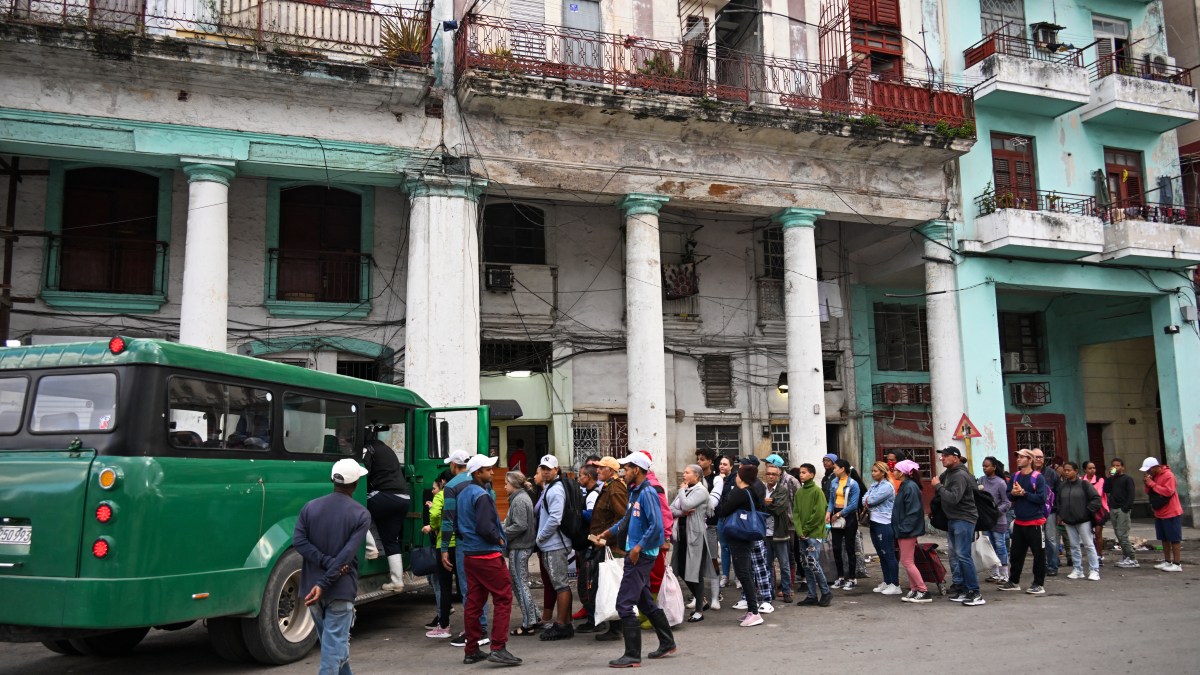
International flights are being cancelled. Petrol has all but run out. Universities have closed. The electricity supply is more off than on. And nobody quite knows how it will end.
President Trump’s bet is that the communist government of Cuba is “going down for the count”, the next pawn to fall after Venezuela, in his effort to rid the Americas of anti-American regimes.
His strategy has been to squeeze Cuba where it is most vulnerable: its fuel supplies. The island produces some of its own oil, but only enough for 30 per cent of its needs. All the remaining energy that it requires to function, from fuel for power plants to diesel for food deliveries, it imports.
For the past quarter century, Venezuela was its key supplier. But that tap has been shut off since the capture and arrest on drug trafficking charges of President Nicolás Maduro on January 3. Other providers, such as Russia and Mexico, have chosen not to test Trump’s executive order from last month, which threatened to impose tariffs should they send oil to Cuba. No oil has arrived on the island for more than a month.
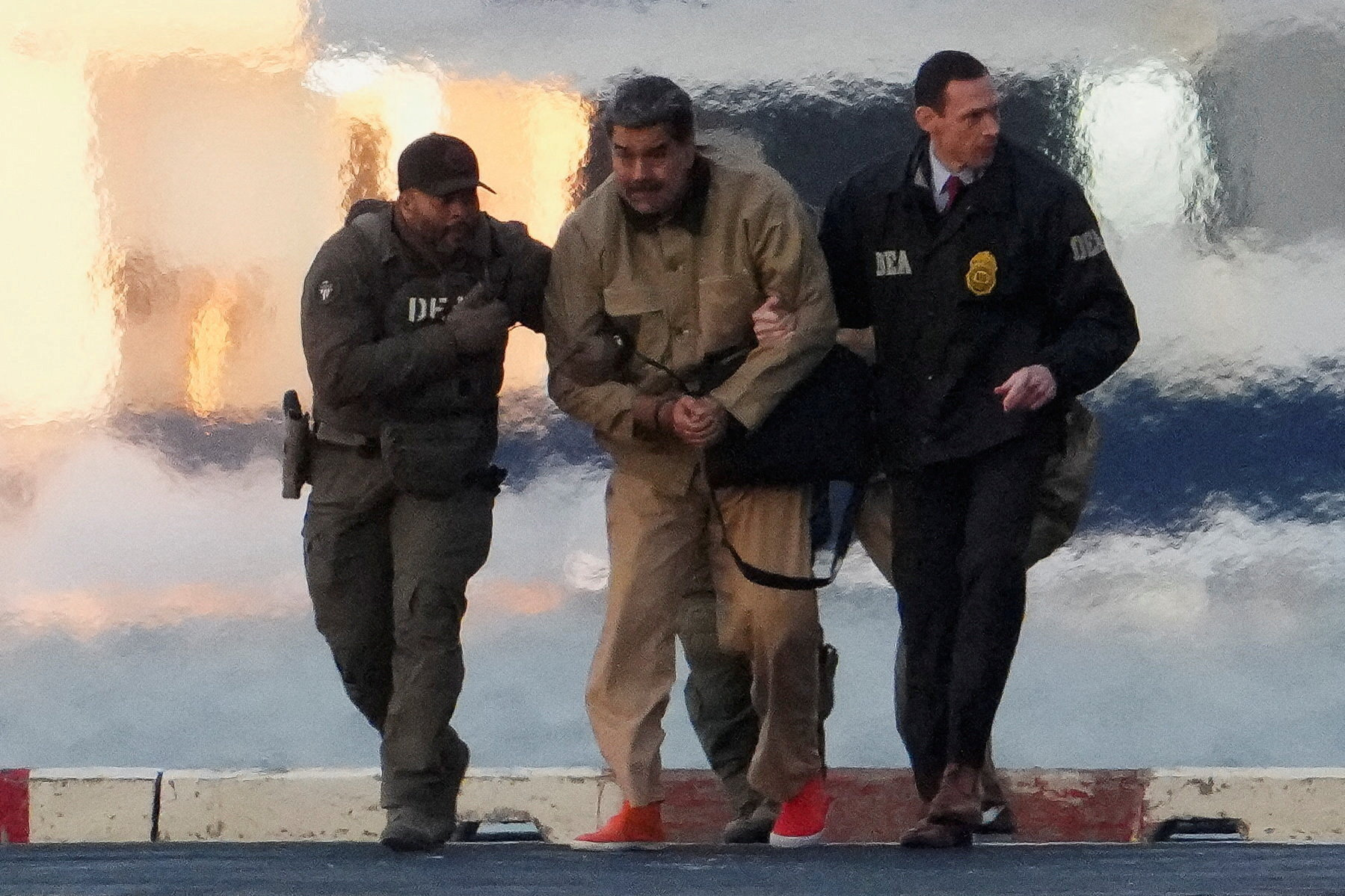
Maduro is escorted to court in New York on January 5
ADAM GRAY/REUTERS
The cut-off took some weeks to be felt, but now the reality has hit. “This is a total, total collapse,” the owner of a bar close to Malecón seafront promenade in Havana, who asked for his name not to be published, said. “There is no fuel, no public transport and now no private transport.”
For the first time he could remember even Cuba’s vast black market, a normally unstoppable underground economy, had ground to a halt “because there’s no fuel to take anything anywhere”.
The sense of isolation is growing. On Sunday Havana told international airlines that none of its nine main airports would be able to provide aviation fuel from Tuesday. Three Canadian airlines — Canada is the main source of tourists to Cuba — were the first to react, and Air Canada, WestJet and Air Transat suspended their flights. This week they are all sending empty planes south to pick up thousands of stranded tourists.
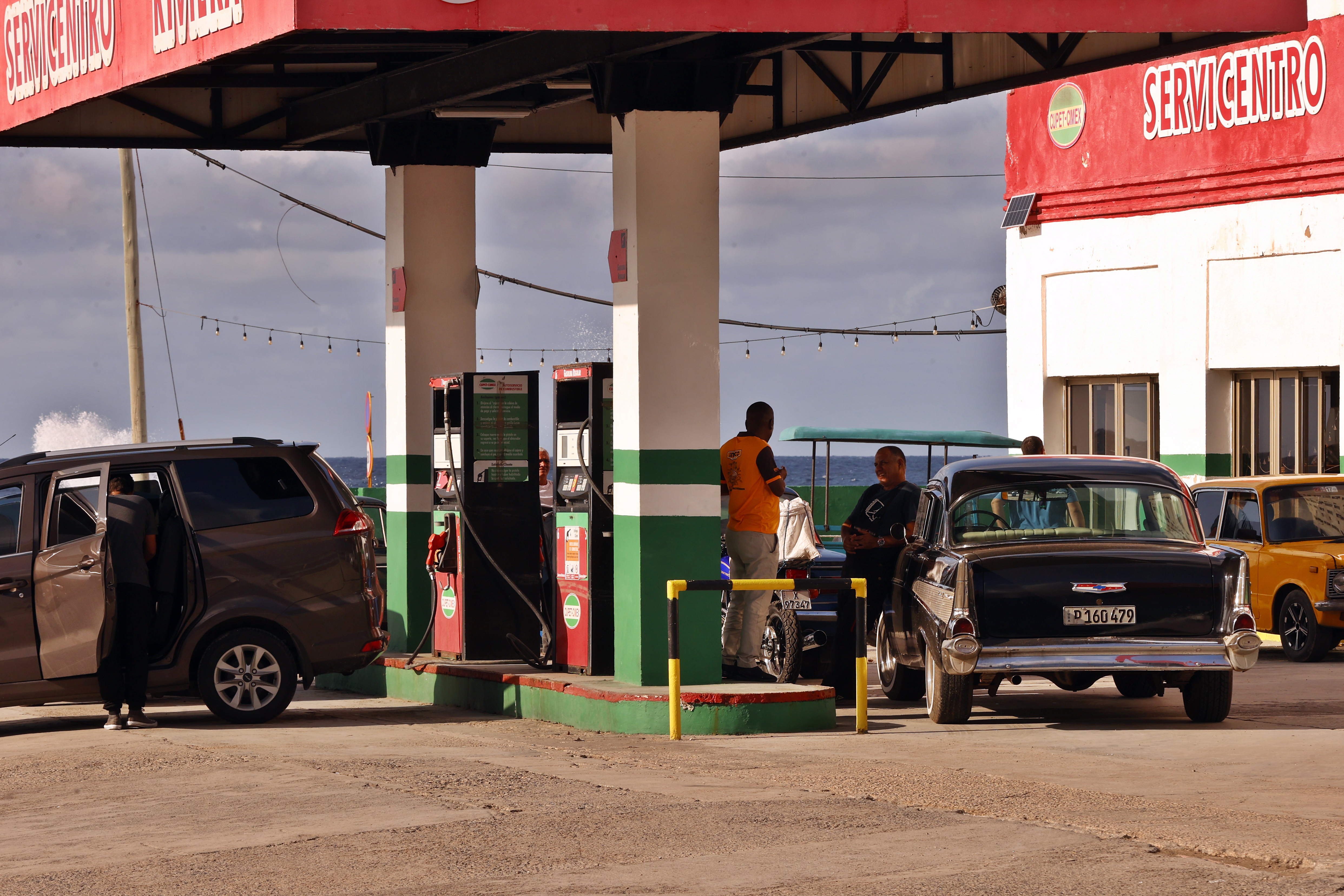
A queue for petrol in Havana
ERNESTO MASTRASCUSA/EPA
So what is the end game? Marco Rubio, Trump’s Cuban-American secretary of state, was asked during a hearing at the Senate foreign relations committee last month if US policy was regime change. Unapologetically, he said it was. The US “would love to see” the Cuban government fall, he said. Trump has also said he wanted Cuba to “be free again”.
• Cuba has a problem: Trump sees ‘liberating’ it as his legacy
But back on the island there is official defiance. State TV is endlessly replaying fiery speeches of the late leader of the revolution, Fidel Castro, proclaiming that real revolutionaries fight to the death. A nervous-looking President Diaz-Canel insisted last week that “surrender is not an option”.
Michael Bustamante, a Cuba expert at the University of Miami, feared a dangerous “game of chicken” was under way, as the Trump administration starves the island of fuel while a dogmatic regime refuses to give in. “The question is who’s going to blink first, and how deep a price the Cuban people are going to have to pay while that game plays out,” he said.
Some Democrat politicians in the US are also sounding the alarm. On Monday, the New York congresswoman Alexandria Ocasio-Cortez said the Trump administration’s actions were symptomatic of a “new era of depravity”. Protection for innocent civilians seemed to have been forgotten as a power contest unfolded, she said. “Now it’s almost acceptable for the western world to look the other way as people are starved or deprived simply because political actors or regimes in that country are found objectionable.”

Alexandria Ocasio-Cortez
ALLISON ROBBERT/AP
Just how a fuel blockade might lead to regime change has not been explained by Washington. One theory is that it will lead to a social uprising that an unpopular and fuel-deprived regime will be unable to control, or perhaps a coup against the communist leadership by pro-capitalist factions in the government or its military.
But many see either scenario as unlikely. The Cuban regime has survived for nearly 70 years despite endless reports of its imminent demise. Large anti-government protests were fiercely suppressed in 2021, and hundreds are still in prison. One in five Cubans, mostly of protesting age, have migrated over the past decade. The state still dominates the livelihood of millions of people, and at least one third have some direct link via employment or party affiliation.
And a total collapse of the country, which is only 90 miles from Florida and home to about ten million people, is a risky scenario that Trump would presumably like to avoid. All of which has led some to wonder whether a deal is a more probable outcome.
• On the streets of Havana, Cubans have a choice: revolution or escape
Trump has said “we are talking to Cuba”, but he has not said to whom. The Cuban government says it is open to dialogue, while insisting that no substantive negotiations are taking place.
Yet there are persistent rumours that secret discussions have begun, perhaps led on the Cuban side by Alejandro Castro Espin, a brigadier general and son of Raúl Castro, the 94-year-old former president. His direct line to his father would be key. The elder Castro, who still holds court from his palm-fringed estate on the outskirts of the capital, remains the island’s real decision-maker.
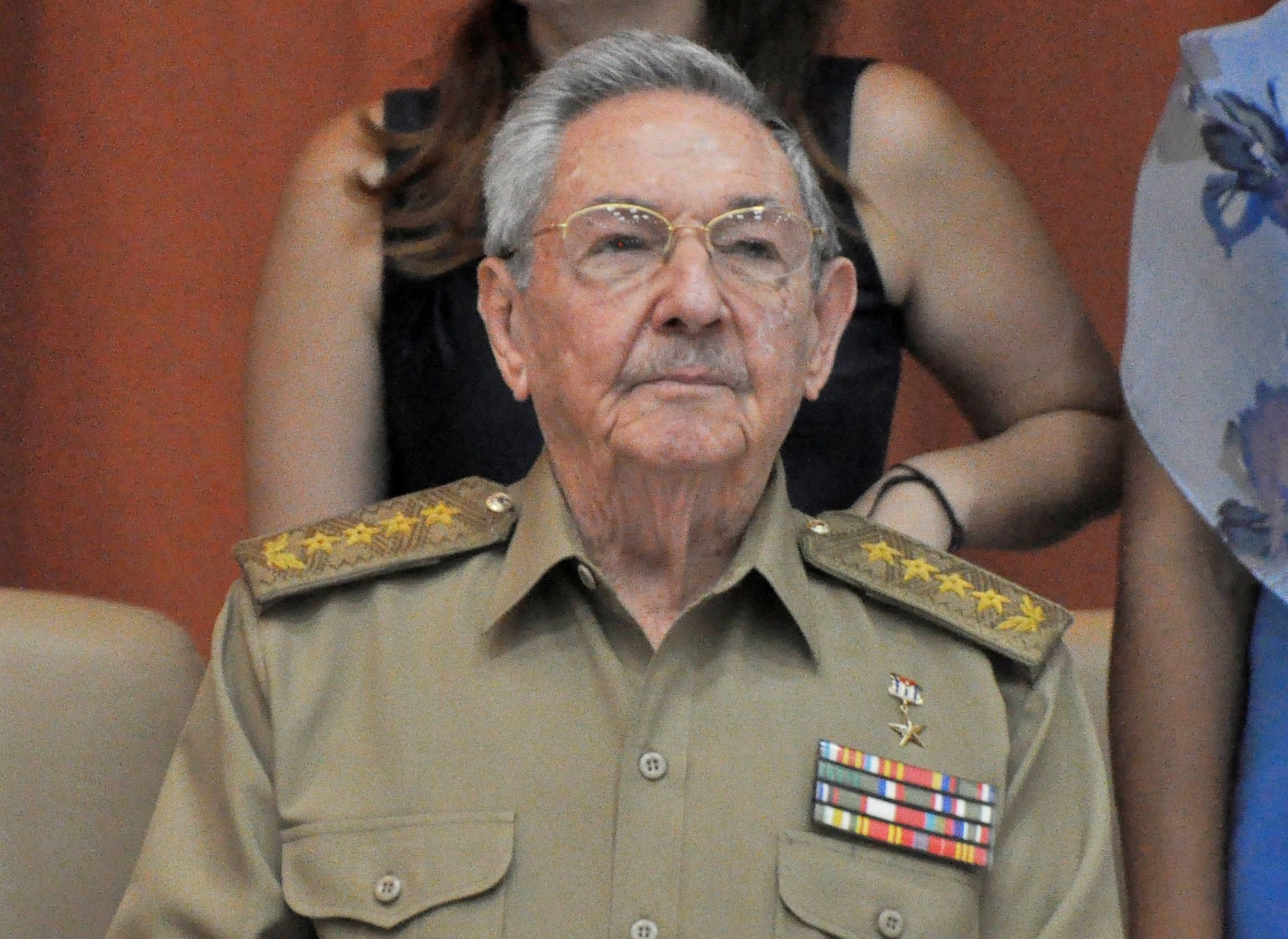
Raul Castro
JORGE BELTRAN/AFP/GETTY IMAGES
But where could any possible deal be found? Unlike Venezuela, whose enormous oil reserves mean that the post-Maduro regime had something attractive to offer the Trump administration, in return for its survival, Cuba does not have any such a lure, aside from nickel and cobalt reserves.
Bustamante says attention should be paid to the fact that, in his recent comments on Cuba, Trump has focused on Cuban Americans, mostly in Florida, some of whom left the island decades ago after the 1959 revolution. “A lot of people that live in our country are treated very badly by Cuba,” the president said this month.
There are close to $10 billion worth of property claims against Cuba outstanding in the US, held by businesses and individuals who have argued that the assets were illegally confiscated. The properties include oil refineries, sugar mills and mansions. Most date from the 1960s, although some are from as recently as the 1990s.
“If the Cubans put the property claims on the table … that could get the Americans interested,” Bustamante said. One possible deal being talked about in Miami would be that large American companies drop their asset seizure claims in exchange for preferential investment rights or tax breaks. Given the US embargo and the deep mutual enmity between Cubans on either side of the Florida Straits, it remains a long shot.
“It is very messy,” said Bustamante. But there is some precedent: the subject as discussed by Cuba and the US in 2015-16 during a brief thawing of relations under the Obama administration.
The bar owner in Havana, for one, was convinced that the only hope for the country was a complete change of attitude by either the government or whatever replaces it.
“It doesn’t matter any more if you say you are a communist, an anti-communist or something in between.” he said. “This country has to open up. It’s over. Everyone knows it.”