
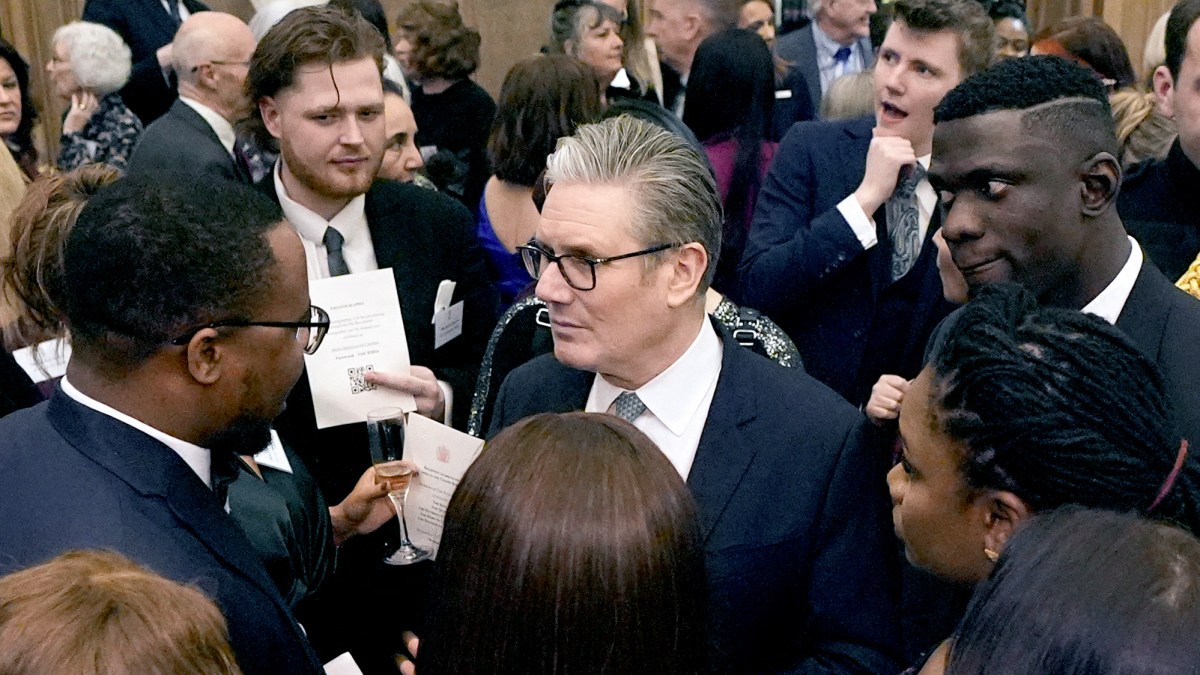
Sir Keir Starmer nominated a former adviser for a peerage despite being told that he provided a paedophile councillor with “support” because he “believed in his innocence”.
Lord Doyle, a former director of communications in Downing Street, told Number 10 he had been “supportive” of Sean Morton after he was charged with possessing and distributing indecent images of children.
The disclosure will raise further questions about the prime minister’s judgment in the wake of the scandal over the former British ambassador to the US Lord Mandelson’s links to Jeffrey Epstein, the paedophile financier.
Starmer stood by his decision to ennoble Doyle for more than six weeks after he had been made aware that his communications chief had campaigned for Morton as an independent councillor despite him being charged with sex offences.
Under pressure from female Labour MPs and ministers, and after being approached by The Times, the prime minister only removed the whip from Doyle this week.
At prime minister’s questions on Wednesday, the Conservative leader Kemi Badenoch accused Starmer of having appointed “paedophile apologists” to key roles.
• Badenoch accuses Starmer of appointing paedophile apologists — as it happened
In response, Starmer said: “Matthew Doyle did not give a full account of his actions. I promised my party and my country there will be change, and yesterday I removed the whip from Matthew Doyle.”
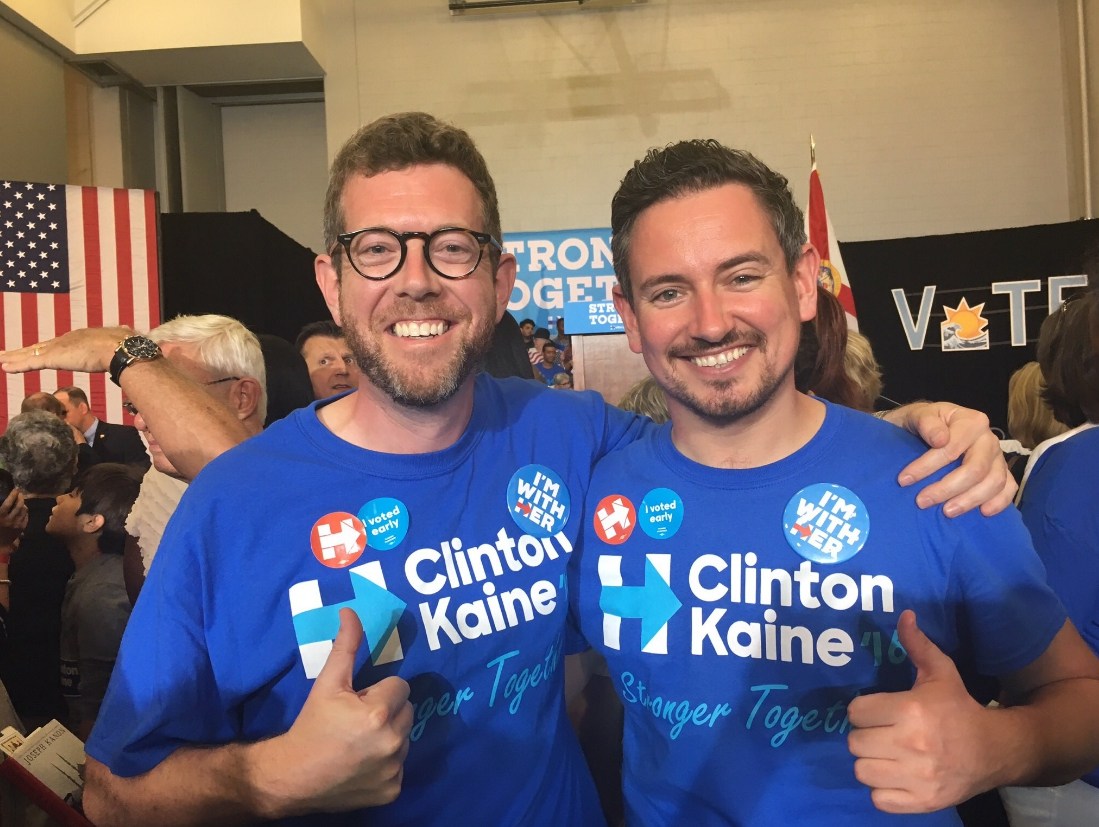
The prime minister was first made aware of concerns over Doyle’s relationship with Morton after they were raised with Morgan McSweeney, the prime minister’s former chief of staff, on December 4. McSweeney asked Tim Allan, who until this week served as Starmer’s director of communications, to speak to Doyle over concerns that he would be too conflicted to interview Doyle himself.
Allan spoke to Doyle several times about his relationship with Morton. He said that Doyle “believed Morton’s protestations of innocence prior to his conviction and had been supportive of him during that time”.
He said that Doyle did not inform him that he had campaigned for Morton after he was charged with child sex offences and suspended from the Labour Party. Allan passed his findings on to Starmer, who announced the peerage on December 10.
On December 27, The Sunday Times reported that Doyle had campaigned for Morton in 2017 despite the charges against him. Doyle’s letters patent, the official process of creating a peerage, was sealed on January 8 meaning there were 12 days where Starmer could have acted before the peerage was made official.
No 10 said there was “no established precedent” for stopping a peerage after it had been announced. However, the House of Lords clerks told the Conservative Party: “We are not aware of any barriers to HMG [His Majesty’s government] stopping or delaying an appointment to the House before letters patent are sealed.”
Starmer has accused Doyle of being misleading by failing to be forthcoming about the fact that he had campaigned for Morton.
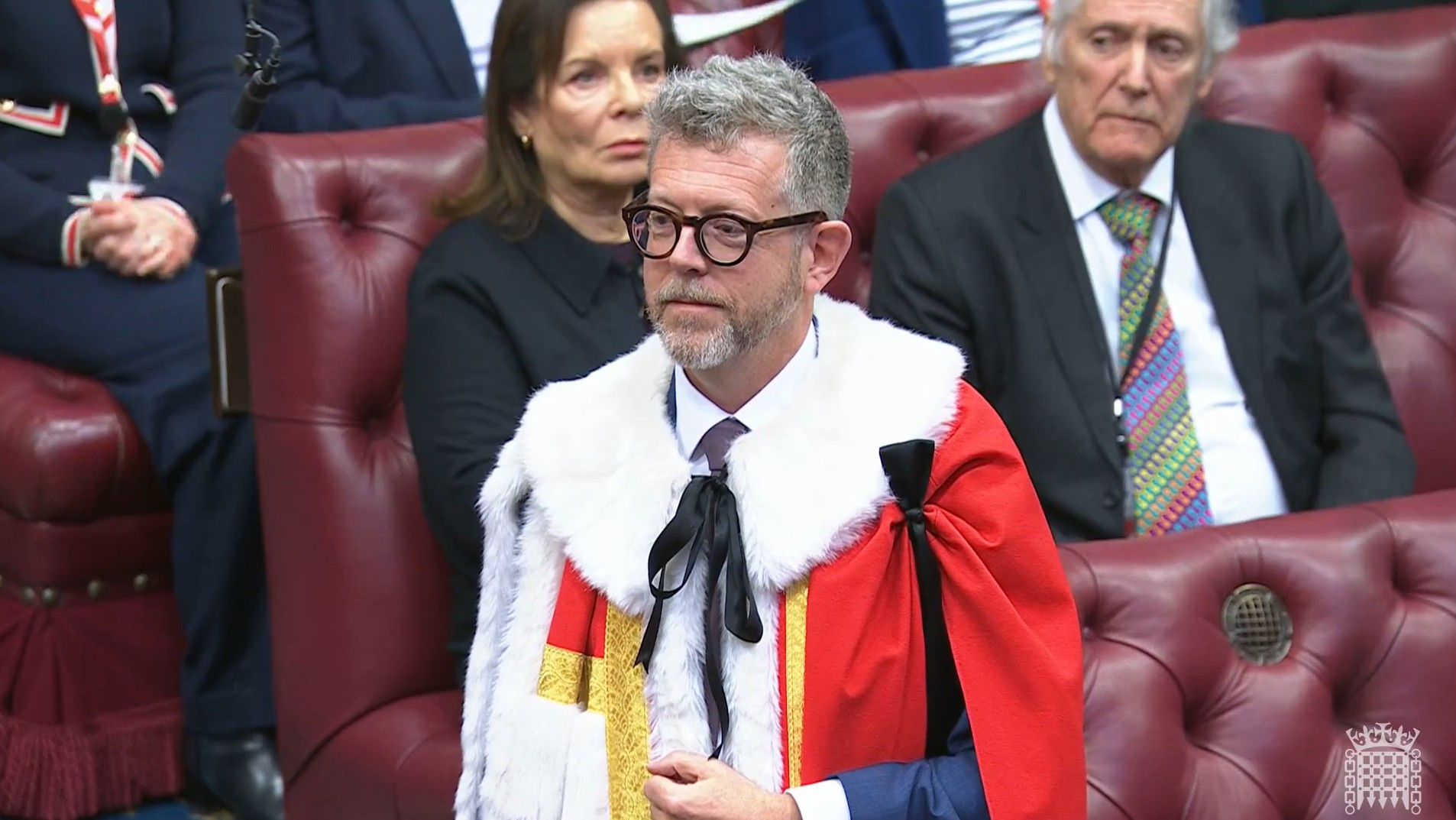
Doyle in the Lords
HOUSE OF COMMONS/UK PARLIAMENT/PA
Allan said: “The PM is right to state that Doyle did not tell me about his campaigning in a council election for Morton.
“Doyle did however tell me that he had believed Morton’s protestations of innocence prior to his conviction and had been supportive of him during that time.”
The decision to ask Allan to interview Doyle raised questions over a potential conflict of interest, given that both men worked in communications under Sir Tony Blair’s government. However they are not thought to have known one another well or been friends, and did not work together.
TimelineNovember 13, 2025: A whistleblower approaches Scottish Labour about Sean Morton’s relationship with Pam Duncan-Glancy, the Scottish shadow education secretary. Scottish Labour refers the whistleblower to the party’s national safeguarding team, which in turn claims it is “out of [its] remit … to assess the suitability of those that our members choose to have personal relationships with”. The whistleblower then approaches the Daily Record, which then goes to Duncan-Glancy with a series of questions.December 3, 2025: The Guardian reports that Doyle is among those set for a peerage.Kate Watson, the general secretary of Scottish Labour, tells Morgan McSweeney about links between Lord Doyle and Sean Morton on the sidelines of a fundraising gala in Glasgow, as revealed by The Sunday Times. It is not known exactly what she said but Watson raised the issue separately with Jill Cuthbertson, now Starmer’s chief of staff. Soon after this, an investigation is launched by No 10.December 5, 2025: Duncan-Glancy resigns, admitting a “serious lapse in professional judgment” that made her role “untenable”.December 10, 2025: The intention to appoint Doyle to the House of Lords is announced by No 10.December 27, 2025: The Sunday Times reports the link between Doyle and Morton on its front page, including that Doyle, a former spokesman for Sir Tony Blair, campaigned for Morton when he ran as an independent in May 2017. This was despite the charges against him.A No 10 spokeswoman said at the time: “Questions regarding Matthew Doyle’s past acquaintance with Sean Morton were thoroughly investigated, including through several interviews with Matthew Doyle, prior to his appointment [to the Lords].”It has now been admitted the Starmer knew of the campaigning from this report.January 7, 2026: Stephen Flynn, the SNP leader, tables an early day motion in parliament opposing the appointment. It says: “Doyle campaigned for former Scottish Labour councillor Sean Morton after Morton had been charged with child sex offences.”January 8, 2026: The letters patent is sealed, making official Doyle’s peerage.January 12, 2026: Doyle is introduced in the Lords.February 2, 2026: Tom Tugendhat, the Tory MP, asks Darren Jones, chief secretary to the prime minister, about Doyle in the Commons. Jones does not respond.February 5, 2026: Kemi Badenoch writes to Starmer calling on him to publish “vetting advice and due diligence” received before Doyle’s elevation to the Lords as well as any documents covering his association with Morton.February 9, 2026: Starmer appears at Labour’s parliamentary party meeting after the Mandelson scandal. He is challenged at least twice over Mandelson’s peerage.February 10, 2026: The Times approaches Doyle and No 10 with female MPs and ministers calling for him to be stripped of his peerage. Doyle is stripped of the Labour whip and issues an apology for his connection with Morton.On the same day it is raised in the Lords. Baroness Smith of Basildon, Labour’s leader in the Lords, says: “The noble Lord, Lord Doyle, was approved by HOLAC [the House of Lords appointment commission] on the information that it had available at that time. He now no longer has the Labour whip and there will be an investigation.”Anna Turley, the Labour chair, then accuses Doyle of lying during the vetting process, and says he should be stripped of his peerage.February 11, 2026: Downing Street sources acknowledge Starmer knew about Doyle’s campaigning for Morton since The Sunday Times report.House of Lords clerks confirm there were “no barriers” to the government withdrawing or delaying Doyle’s peerage before the letters patent being sealed.
Female Labour MPs demanded that Starmer oversee a “complete culture change” in Downing Street by appointing a woman to a senior role after a series of scandals they say have exposed a No 10 “boys’ club”.
Harriet Harman, one of the party’s most senior figures, urged Starmer to revive the role of first secretary of state, a post occupied by Mandelson under Gordon Brown, and appoint a woman to “transform the political culture in government around women and girls”. She told The Guardian that the first secretary role would “turbocharge” the government’s pledge to halve violence against women and girls over the next decade”.
Harman said: “It would deal with culture change, but it would also hold every government department accountable for what they are doing on women and empower the work on women that’s happening in each of those departments.”
Lisa Nandy, the culture secretary, told ITV1’s Peston: “We need to see far less of these misogynistic briefings. We need far more women around every table where decisions are being made and we need to make sure that we model that change that we’re creating out there in the country.”
Nandy also said Doyle should no longer be in the Lords and told Times Radio that Starmer’s No 10 had been “dripping with misogyny”. She said: “I’m saying it’s still going on, I’m absolutely acknowledging that.”
Lisa Nandy, the culture secretary, said some meetings are “dripping with misogyny”
Starmer is resisting calls to strip Doyle of his peerage while a Labour Party investigation continues, although a growing number of senior women in the party want him to do so. Lucy Powell, Labour’s deputy leader, told LBC she did not “think he should continue” in the Lords, and Anna Turley, the Labour Party chairwoman, said: “No I don’t think he should [remain a peer]. That’s my personal view.”
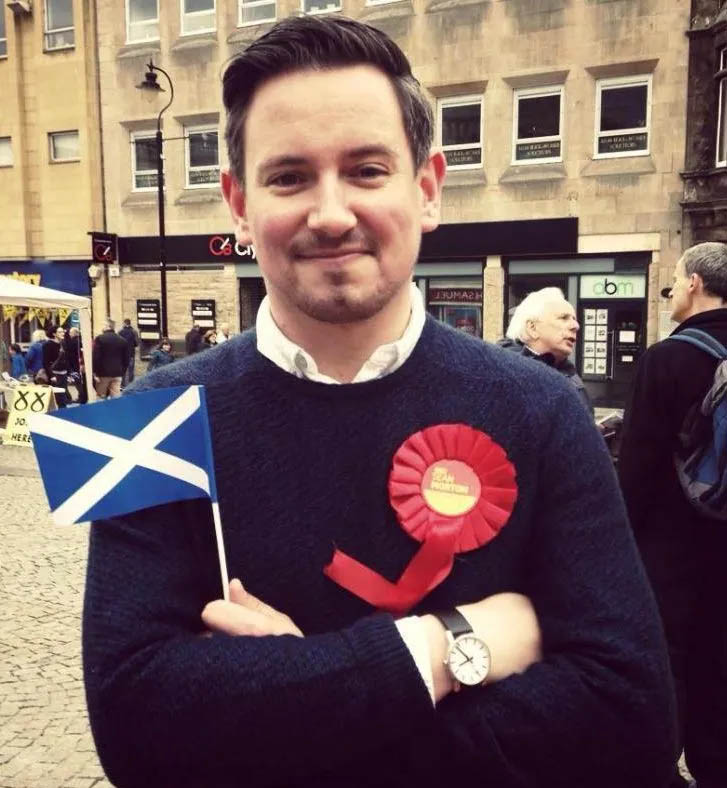
Emma Lewell, the South Shields MP, who worked in child protection services, told Starmer at a meeting of the women’s parliamentary Labour Party on Wednesday: “I can’t even begin to explain how much it hurts when people are screaming at me in the street that I am a member of the ‘paedo protectors party’.
“Before people criticised the government’s policies and lack of political narrative, now they are questioning the government’s moral compass. You have said so many times now ‘things will be different’, each time it isn’t.”
She said: “Politics does often operate as a boys club and I don’t think that the Labour Party is immune to that … some of the briefings have absolutely been dripping with misogyny.”
Doyle has since apologised “unreservedly” for supporting Morton before the case against him had concluded.
He said he also had “extremely limited” contact with Morton after his conviction and said: “His offences were vile and I completely condemn the actions for which he was rightly convicted. My thoughts are with the victims and all those impacted by these crimes.”