
Updated February 13, 2026, at 2:13 p.m.
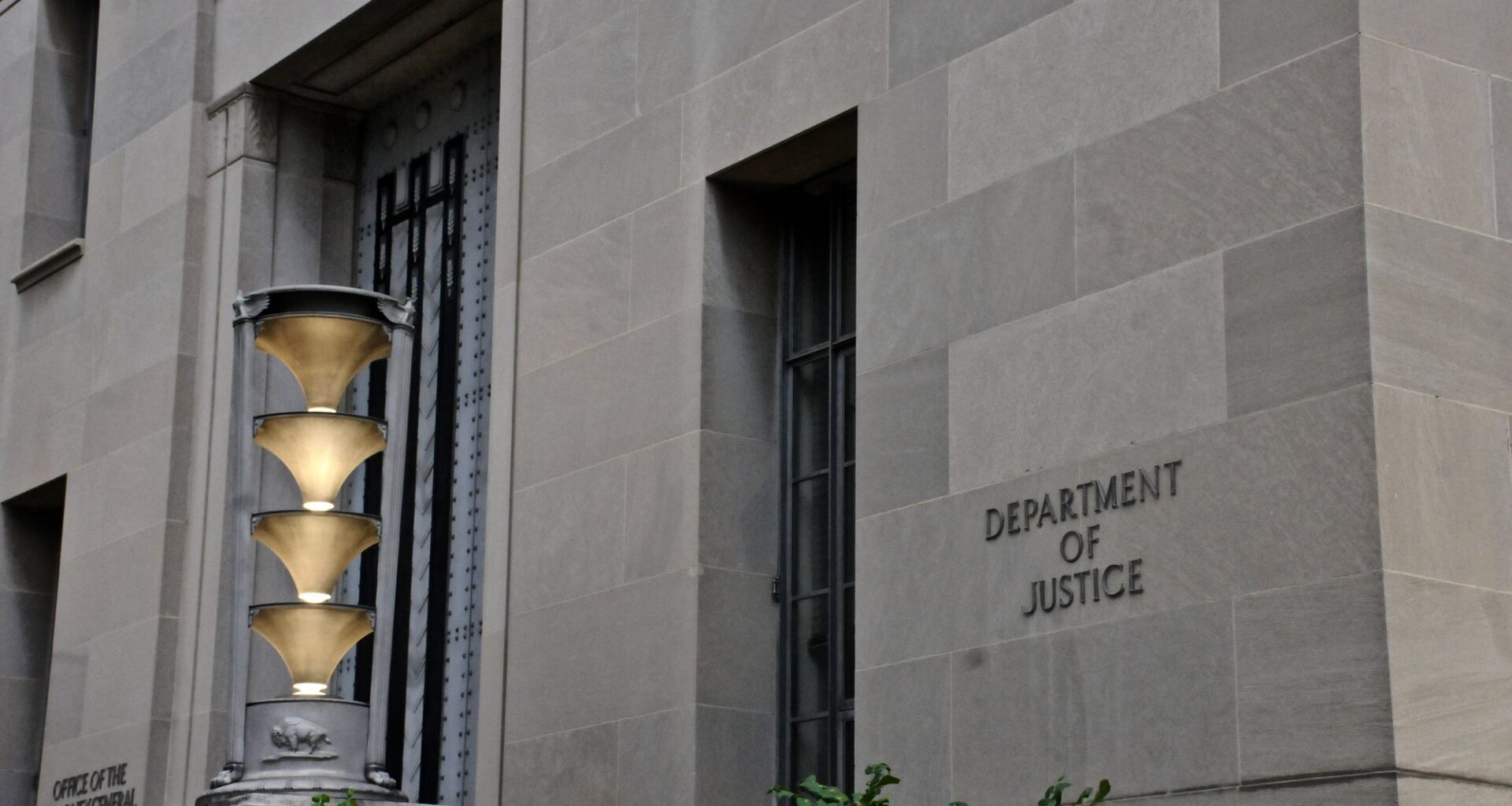
The U.S. Department of Justice sued Harvard on Friday, seeking a court order requiring the University to turn over admissions records requested as part of a federal civil rights review.
The lawsuit follows a 2023 Supreme Court decision that ruled against Harvard and barred the consideration of race in college admissions, and a subsequent Justice Department review aimed at determining whether the University has complied with federal civil rights law.
The 14-page complaint, filed in U.S. District Court in Massachusetts, alleges that Harvard “thwarted” and “slow-walked” the Department of Justice’s investigation by failing to provide requested applicant-level admissions data. According to the filing, the Justice Department launched the review in April 2025 and sought data from Harvard College, Harvard Law School, and Harvard Medical School.
Lawyers for the federal government argued that Harvard violated both its legal obligations under Title VI and its contractual commitments tied to Justice Department grant funding. The complaint asks the court to issue injunctive relief ordering Harvard to produce the requested documents and comply with all future document requests.
The filing emphasizes that the administration “does not accuse Harvard of any discriminatory conduct” and is not seeking monetary damages or the revocation of federal funding.
According to the complaint, Harvard produced more than 2,000 pages of admissions-related documents in May 2025. But the Justice Department alleged that the documents consisted largely of aggregated data and publicly available information and failed to meet the scope of its requests, despite “repeatedly extended production deadlines.”
Harvard spokesperson Jason A. Newton wrote in a statement that Harvard had engaged in “good faith” with the federal government and categorized the complaint as another attempt to punish Harvard for pushing back against the White House’s demands.
“The University will continue to defend itself against these retaliatory actions which have been initiated simply because Harvard refused to surrender its independence or relinquish its constitutional rights in response to unlawful government overreach,” he wrote.
The case has been assigned to U.S. District Judge Judge Myong J. Joun, a Biden appointee. Joun previously granted a temporary restraining order blocking the Department of Education from freezing $65 million in grants for teacher training. The Supreme Court overturned his decision 5–4.
The lawsuit marks the second push in the Trump administration’s reinvigorated salvo against the University following months of quietude from the federal government. Last week, the Department of Defense severed all academic ties to the University.
In 2023, the Supreme Court’s landmark decisions effectively ended affirmative action in college admissions nationwide. Though colleges may still technically consider race in the context of a student’s life experiences, universities have proceeded with caution in the ruling’s aftermath.
Harvard defended its admission practices before the Court, arguing that the pursuit of a diverse student body justified the use of race as one factor in admissions. In the years after the ruling, the University has publicly maintained its commitment to diversity while making internal changes to reduce scrutiny of its admissions process.
Among those changes, Harvard barred alumni interviewers from referencing an applicant’s race in written evaluations and instructed them to avoid mentioning students’ languages, religious practices, and involvement in race-based organizations. Interviewers do not have access to students’ responses or aggregated data on questions surrounding race, according to Newton.
The University also delayed releasing admissions data for the Class of 2029 until next fall, citing the Supreme Court decision. The only reference point — demographic data for the Class of 2028 — appears to show a four percent drop in enrolled Black students. But because the University shifted its scale for reporting racial demographics, it is nearly impossible to draw a neat comparison to pre-2023 numbers.
Despite these steps, Harvard has not escaped scrutiny. Since President Donald Trump returned to office, the University has been a focal point of a broader effort to curb what officials describe as racial preferencing in higher education.
The campaign started with a February letter from the Department of Education threatening universities nationwide that they could lose federal funding if found to be considering race in admissions.
In May, Secretary of Education Linda McMahon followed through on that threat in Harvard’s case, cutting off grants to Harvard and accusing the University of “ugly racism” in its admissions practices. The Education Department subsequently opened its own investigation; it, too, has argued that Harvard has not properly complied with their document requests.
Harvard has been in talks with the federal government for months over a potential settlement, though the status of negotiations remains unclear. Earlier this month, Trump appeared to throw a wrench in talks when he demanded that the University pay $1 billion in damages to the federal government.
Trump had previously suggested that a deal was imminent, but no agreement has been reached.
—Staff writer Hugo C. Chiasson can be reached at [email protected] or on Signal at hcc.35. Follow him on X @HugoChiassonn.
—Staff writer Elise A. Spenner can be reached at [email protected]. Follow her on X @EliseSpenner.