
A new Angus Reid Institute survey reveals that a majority of Canadians support recognizing Palestine as a state even if it complicates negotiations with the U.S.
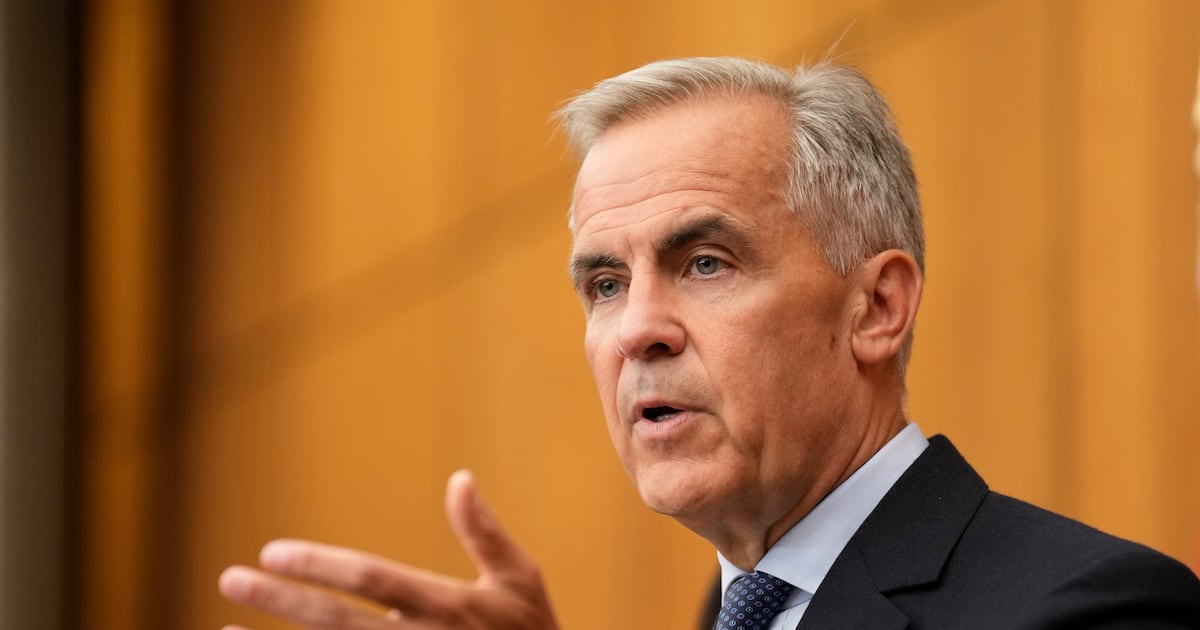
That support comes after Prime Minister Mark Carney announced on July 30 that Canada will recognize Palestine as an independent state in September.
Despite warnings from U.S. President Donald Trump, who said Canada’s stance could make a trade deal “very hard” to achieve, 63 per cent of survey respondents say that Canada should go forth with the recognition even if Trump objects.
The public sentiment unfolds against a backdrop of escalating trade talks between Canada and the U.S., triggered by a Trump-imposed 35 per cent tariff on Canadian imports not covered by CUSMA.
Canadians who support Carney’s decision outweigh 20 per cent of Canadians who think the nation should reverse course to safeguard trade relations. Another 17 per cent of respondents were unsure.
Canadians double down on tariffs
Meanwhile, public backing for Carney’s tougher negotiation strategy is strengthening. According to the poll, nearly seven in 10 now support a “hardball” approach to talks, preferring retaliatory tariffs even if they risk financial hardship at home. That figure rose from 63 per cent in July to 69 per cent in August.
Fifty-eight per cent of Canadians also say the country should match the U.S. dollar-for-dollar on tariffs. Another eight per cent support a more measured tariff response, while just 18 per cent would prefer Canada hold back to avoid worsening the trade talks.
Among those favouring tit-for-tat tariffs, the support holds firm. Nearly all in that group – 95 per cent – say Canada should stay the course even if it triggers another U.S. retaliation. About three-quarters, or 76 per cent, say the country should press on even if Canadians face higher prices or financial consequences at home.
But as the trade battle drags on, Canadians are beginning to lose confidence in Ottawa’s ability to manage it. While Carney’s approval rating remains steady at 57 per cent, the number of Canadians who are unconfident in his negotiating team has now risen to 49 per cent, surpassing the 43 per cent who still express confidence.
These numbers mark a shift from mid-July when Canadians were nearly evenly split – 46 per cent confident versus 45 per cent unconfident.
Methodology
The Angus Reid Institute (ARI) conducted an online survey from July 31 to Aug. 1, 2025, among a randomized sample of 1,333 Canadian adults who are members of Angus Reid Forum. The sample was weighted to be representative of adults nationwide according to region, gender, age, household income, and education, based on the Canadian census. For comparison purposes only, a probability sample of this size would carry a margin of error of plus or minus two percentage points, 19 times out of 20. Discrepancies in or between totals are due to rounding. The survey was self-commissioned and paid for by ARI.