
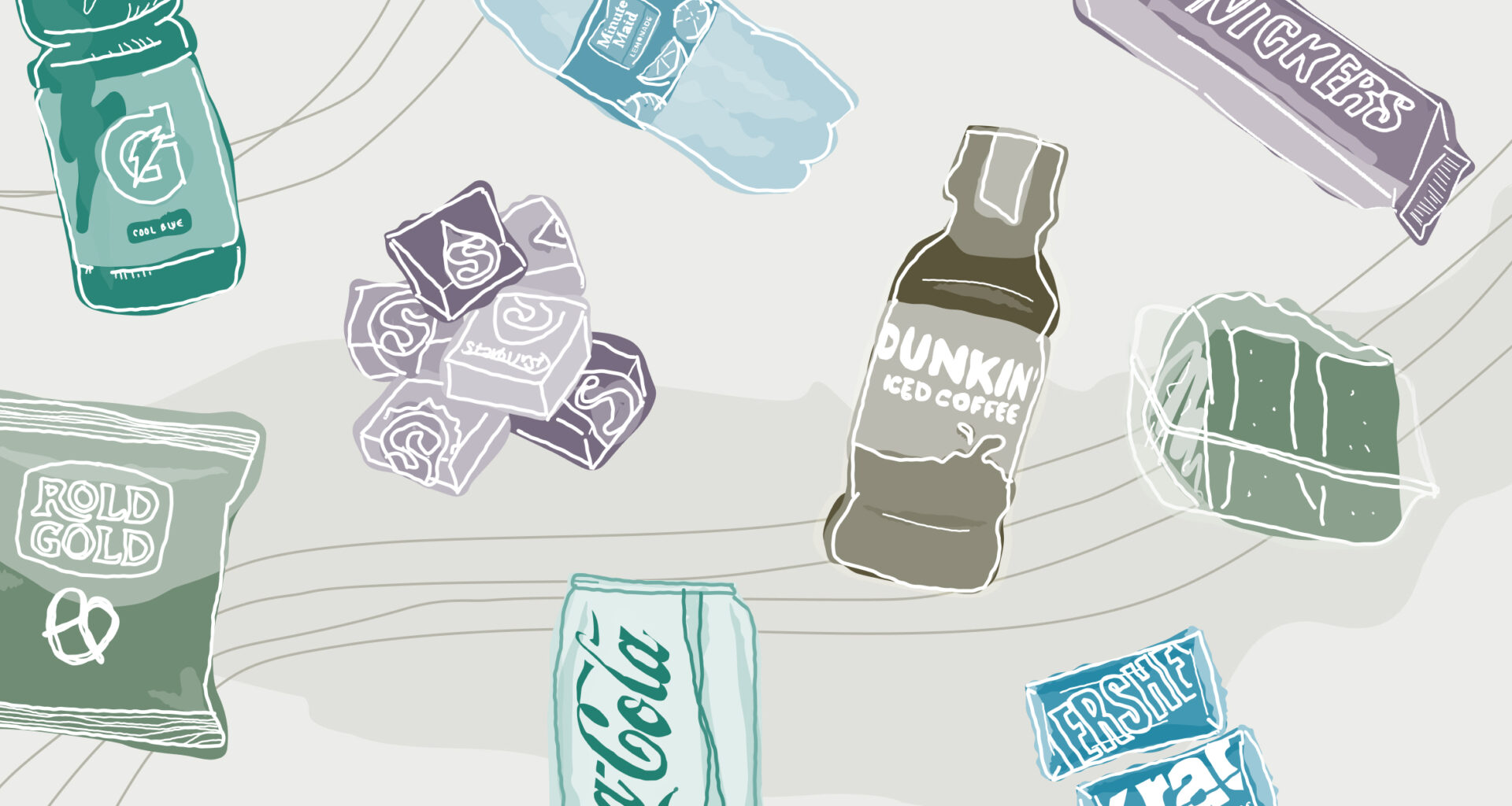
Health Secretary Robert F. Kennedy Jr.’s most significant effort to overhaul what Americans eat seeks to block low-income people from buying junk food with their food stamps. It’s not so easy.
Since Jan. 1, five states – Indiana, Iowa, Nebraska, Utah and West Virginia – have banned soda or other unhealthy foods from the Supplemental Nutrition Assistance Program, the nation’s largest anti-hunger initiative which serves more than 40 million people. The idea has a long history, with supporters on both sides of the aisle.
But the rollout of those food restrictions has been bumpy and confusing, leaving buyers and grocers trying to figure out what even qualifies as “junk food.” Is Gatorade? What about granola bars? And the five states certainly don’t agree on what counts as candy.
It’s not even clear the policy will accomplish Kennedy’s stated goals. There’s limited evidence they will improve Americans’ health, given that people can use other money to buy whatever they’d like, each state limits different items and the restrictions are not directly tied to nutritional value. Some banned items, for example, are actually lower in sugar or fat than foods that are allowed.
Indiana and Iowa’s state governments have declined to provide a list of banned items, with Iowa going so far as to say it would be “too tedious.” States are instead putting the burden on retailers and consumers to figure things out.
Here’s our quiz to help you understand how it all works — and reveal the inconsistencies in Kennedy’s big push to overhaul SNAP.