
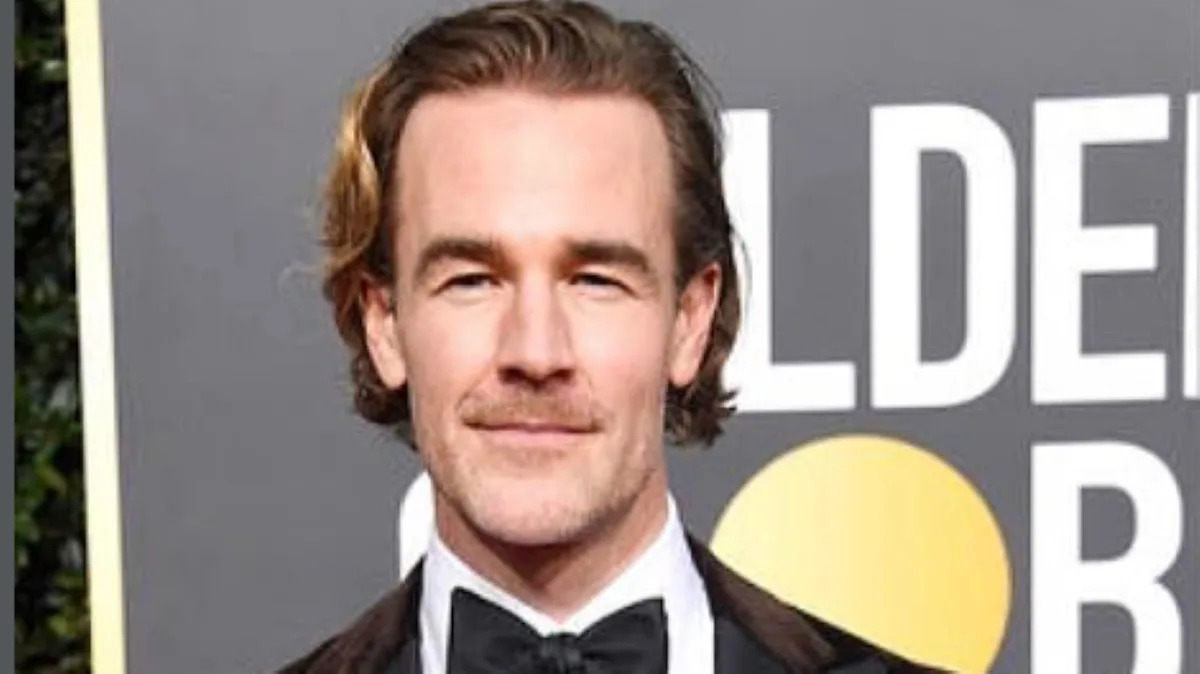
The GoFundMe for James Van Der Beek’s widow and six children is now deep into seven figures. The line that lit the fuse is not vague, and it is not a quote from a random commenter.
It is from the fundraiser itself.
“The costs of James’s medical care and the extended fight against cancer have left the family out of funds,” the GoFundMe description says, adding that they are “working hard to stay in their home.”
As of Saturday, Feb. 14, at about 1.50 p.m. ET, the page showed $2,551,845 raised from about 48,000 donations.
That is the headline. The comment section is the story. And people are already arguing about who ‘deserves’ help.
A doctor’s office waiting room. The kind of place where costs start piling up fast. Credit: Kurt Kaiser via Wikimedia Commons.
What the GoFundMe Actually Says
The GoFundMe asks for $1.5 million. The page describes “significant financial strain” during James’ long illness, medical bills, living expenses, and keeping the kids’ education stable while they grieve. What the page doesn’t mention: the $4.76 million ranch James purchased about one month before his death.
That omission is why people are fighting.
The phrase “out of funds” appears on the page, inviting everyone to become a forensic accountant with no access to the actual books. It triggers the same two instincts every time.
One camp sees a widow with six kids facing crushing medical debt from a two-year cancer battle and says: Of course, they need help. Terminal illness destroys families financially, even families with multimillion-dollar assets.
The other camp sees a $4.76 million ranch purchase and says: Sell the house, downsize, don’t ask strangers for money when you’re sitting on millions in real estate.
The Auction People Keep Forgetting
This did not start with the GoFundMe.
Months earlier, Van Der Beek put career memorabilia into a Propstore auction, and PEOPLE reported that 100% of the proceeds from the items would go to him “to help with the financial cost of fighting cancer.”
The listing included Dawson’s Creek and Varsity Blues pieces that fans actually care about, including the necklace Dawson gave Joey for prom.
This is the detail that makes the debate feel uglier. The story is not just that friends started a fundraiser after he died. The story is that a working actor with a famous credit was already selling off the artifacts of that fame to help cover the cost of being sick.
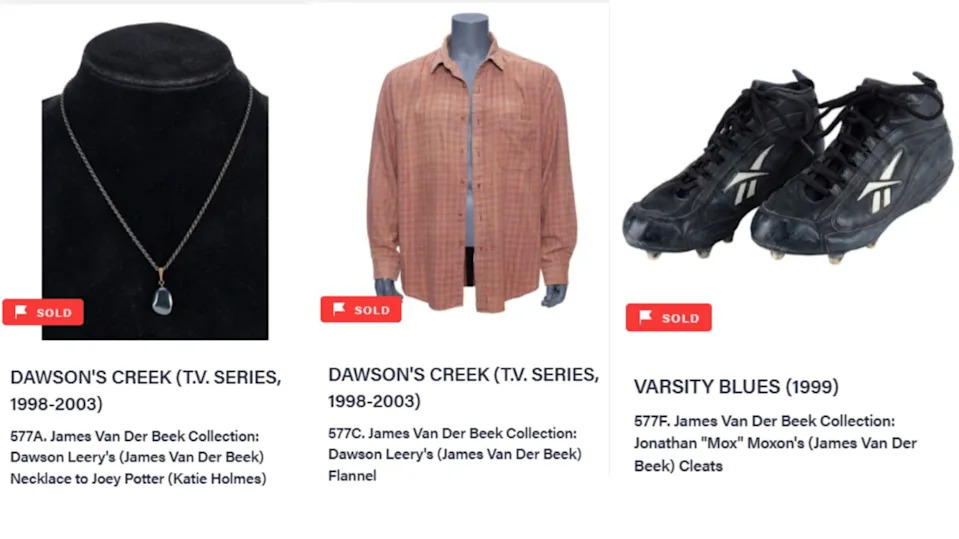
James Van Der Beek sold Dawson’s Creek memorabilia through Propstore, including the necklace Dawson gave Joey for prom, with 100% of proceeds going to cancer treatment costs. (Screenshot: Propstore).
The Celebrity Donors Made It Louder
The GoFundMe has raised over $2.5 million. Steven Spielberg donated $25,000, according to The Guardian. Zoe Saldaña set up a monthly $2,500 contribution.
It helps the family. It also pours jet fuel on the argument.
For supporters, celebrity donations prove the need is real—Spielberg doesn’t write $25,000 checks for nothing.
For critics, celebrity donations prove something uglier: that access to wealth determines who survives financial catastrophe, and everyone else is just supposed to beg online.
Why the Comments Are a Battleground
People are not actually arguing about James Van Der Beek. They’re arguing about whether someone who just bought a $4.76 million ranch has the right to ask for help. They’re arguing about whether cancer should bankrupt families even when there’s real estate on the books. They’re arguing about what “out of funds” means when you own property worth millions.
The GoFundMe doesn’t explain insurance coverage, asset liquidation plans, or why the ranch purchase happened. And that silence is exactly what turns the comments section into a moral trial.
One side says, “Show us the receipts.” Prove you’re broke. Sell the ranch, then we’ll talk about donating.
The other side says: If you’ve never watched terminal illness devour a family’s finances, you don’t get to demand spreadsheets before offering sympathy.
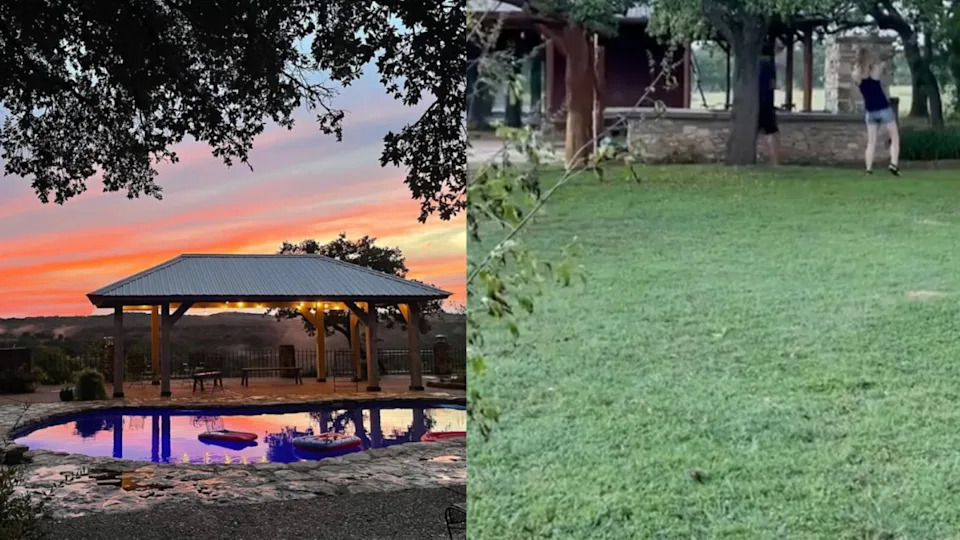
The $4.76 million Texas ranch James Van Der Beek purchased on January 9, 2026—33 days before his death—is at the center of the GoFundMe debate. Credit: Kimberly Van Der Beek/Instagram.
The Burning Question
James Van Der Beek bought a $4.76 million ranch on January 9. He died on February 11. Now his widow and six kids are asking for $1.5 million in donations, and they’ve raised over $2.5 million.
Either you believe: A dying father secured his family’s housing before terminal illness drained everything else, and medical debt from a two-year cancer battle left them with property but no cash. Asking for help with bills and kids’ education while grieving is reasonable.
Or you believe: If you can afford to close on a $4.76 million property, you can afford to downsize before crowdfunding. Sell the ranch, move somewhere modest, and use the proceeds for living expenses. Don’t ask strangers to subsidize a lifestyle you can’t sustain.
There’s no middle ground. You either think the ranch was a father’s final act of protection, or you think it was a financial mistake the public shouldn’t have to fix.
The GoFundMe has over $2.5 million in donations. The comment section has blood on the walls.
Now pick a side.
Should a family ever have to crowdfund medical fallout? Or should assets always be sold first? Where’s your line?