
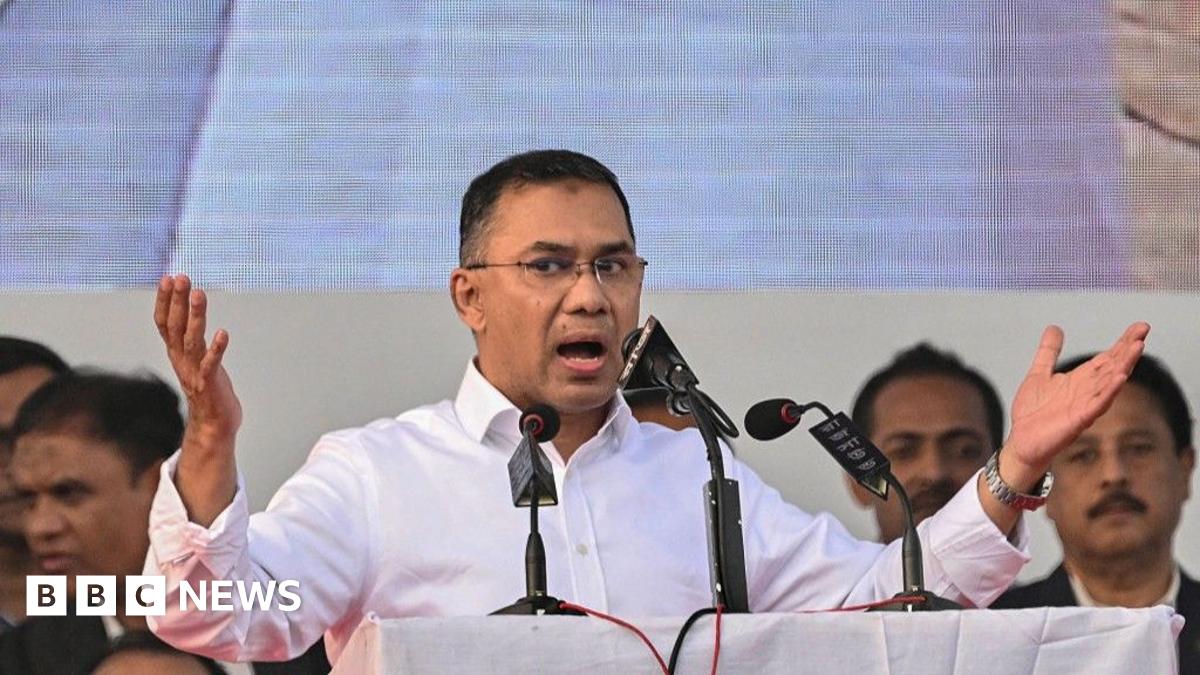
When the Bangladesh Nationalist Party (BNP) swept to a landslide in the general elections on Friday, Delhi responded with studied warmth.
In a message posted in Bengali, Prime Minister Narendra Modi congratulated BNP leader Tarique Rahman, the 60-year-old dynast, on a “decisive victory”. He pledged India’s support for a “democratic, progressive and inclusive” neighbour. He added that he looked forward to working closely to strengthen “our multifaceted relationship”.
The tone was forward-looking – and careful. Since Sheikh Hasina fled to India after the Gen Z-led July 2024 uprising, ties between the neighbours have frayed, with mistrust hardening on both sides. Hasina’s Awami League – the country’s oldest party – was barred from contesting the election.
Many Bangladeshis fault Delhi for backing an increasingly authoritarian Hasina – a grievance layered atop older complaints over border killings, water disputes, trade curbs and incendiary rhetoric. Visa services are largely suspended, cross-border trains and buses halted, and flights between Dhaka and Delhi sharply reduced.
For Delhi, the question is not whether to engage a BNP government – but how: securing its red lines on insurgency and extremism while cooling rhetoric that has turned Bangladesh into a domestic political talking-point.
A reset is possible, say analysts. But it will require restraint – and reciprocity.
“The BNP, the most politically experienced and moderate of the parties in the fray, is India’s safest bet moving forward. The question remains: how will Rahman govern the country? He is clearly seeking to stabilise India-Bangladesh ties. But this is easier said than done,” says Avinash Paliwal, who teaches politics and international studies at SOAS University of London.