
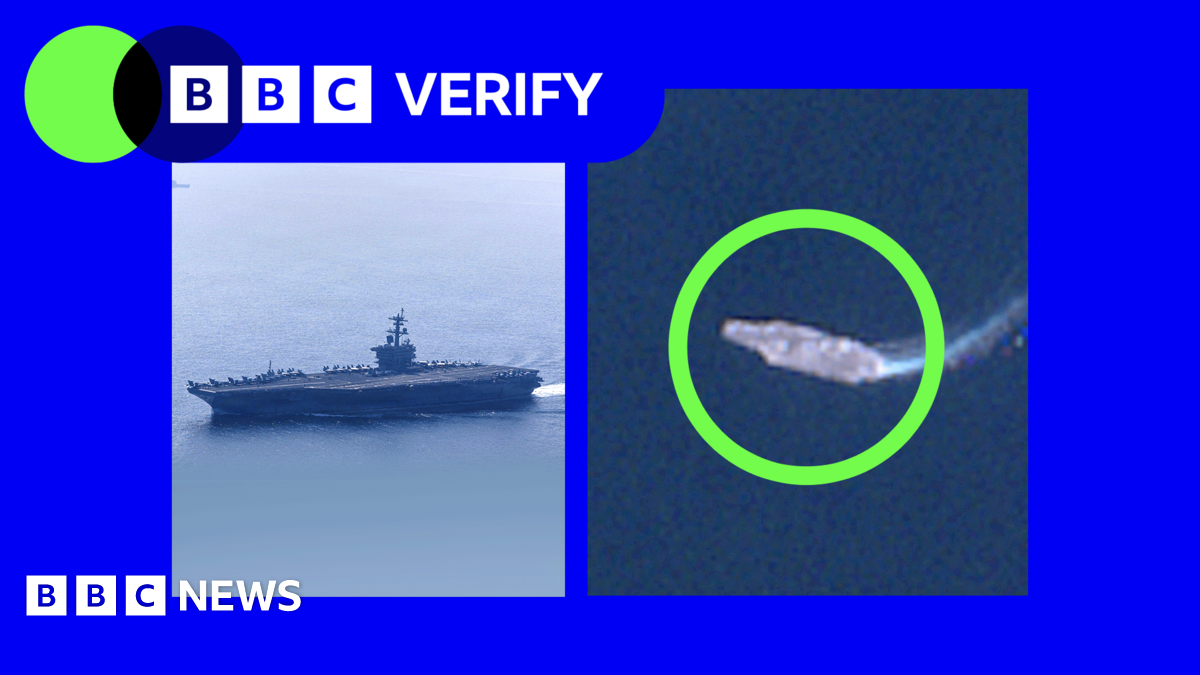
During Midnight Hammer the US had two aircraft carrier strike groups in the region, five destroyers placed in the Mediterranean and Red Seas, and three combat ships in the Gulf. It had also moved squadrons of fighter jets and refuelling aircraft from the US to Europe, but the B2 stealth bomber flights that were used to hit the Fordo, Isfahan and Natanz nuclear sites actually took off from US bases in Missouri.
Crump, chief executive of risk and intelligence company Sibylline, said the build-up of US warships and aircraft, as well as eight existing airbases in the region would allow it to conduct a “fairly intensive and sustained strike rate” of about 800 sorties a day, with the aim of rendering any Iranian responses “ineffective”.
“What we are seeing isn’t just strike preparation, but rather a broader deterrent deployment capable of being scaled up or down,” he said. “This means it has more depth and sustainability than the force packages arranged for either Venezuela or Midnight Hammer last year. It’s designed to sustain an engagement and counter all potential responses against US assets in the region and, of course, Israel.”
Additional reporting by Barbara Metzler, Ghoncheh Habibiazad, Thomas Copeland, Yi Ma