
TikTok and Snapchat, which had also been named in the lawsuit, settled shortly before trial was scheduled to begin. Terms of the settlements were not disclosed.
Lawyers for K.G.M. or Kaley, who started using Instagram and YouTube as a child, have accused social media firms of working to addict young users, despite being aware of risks to mental health.
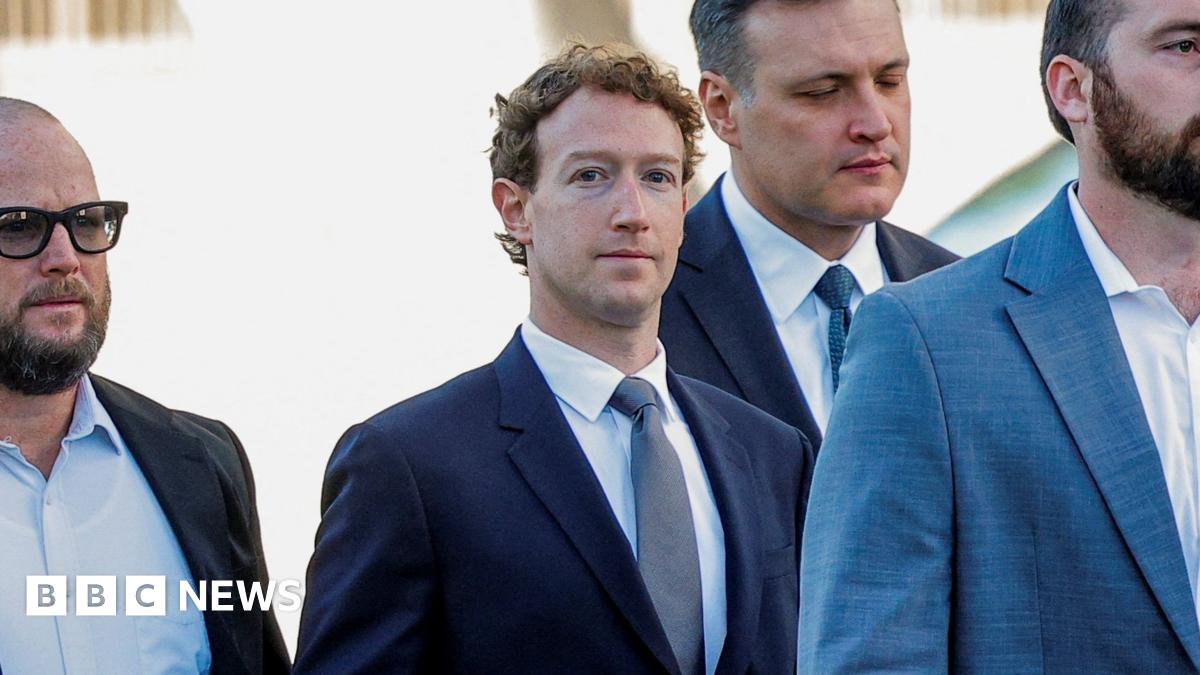
She attended the proceedings on Wednesday, sitting directly across from Zuckerberg, who arrived at court with an entourage of security and associates.
Bereaved parents were also among those in the courtroom to watch the proceedings.
Mark Lanier, representing K.G.M., pressed Zuckerberg about his efforts to get users to spend more time on his platforms, confronting the executive with emails he had written.
In 2015, for example, Zuckerberg told a group of executives that his goals for the year included seeing “time spent increase by 12%” and the “teen trend be reversed.”
A year earlier he had identified time spent as “the most concerning” metric being tracked by the company.
Gesturing to his client, Lanier noted that the emails were written when she was only nine or 10 years old, and already using Instagram.
Zuckerberg admitted that “at an earlier point in the company” he would give executives goals to increase time spent, while also insisting that was no longer how the company operated.
He also said that if something is of value, “people tend to use it more.”
Lanier noted that people who are addicted to something also tend to increase their use.
“I don’t know what to say to that,” Zuckerberg replied. “I think that may be true but I don’t know if that applies here.”
In questioning last week, Adam Mosseri, the head of Instagram, challenged the idea of social media addiction, arguing that even 16-hours of Instagram use in a single day did not show an addiction.