
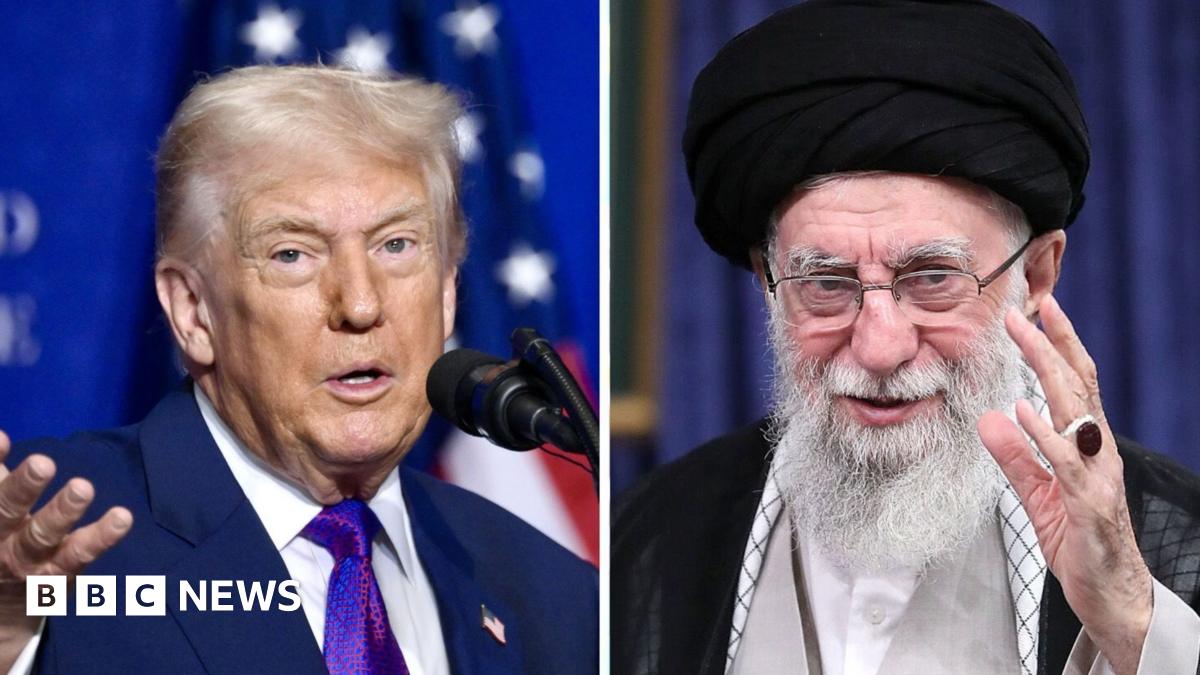
Washington’s risks are no less real.
On paper, the US military has the capacity to fulfil the commander-in-chief’s objectives if tensions escalate. But wars are not fought on paper. They are shaped by miscalculation, escalation and unintended consequences.
The recent 12-day war with Israel exposed vulnerabilities in Iran’s command structure and military infrastructure. It also offered lessons in adaptation, how to absorb strikes, recalibrate and respond under pressure.
A broader confrontation could produce outcomes neither side intends. A weakened central authority in Tehran would not automatically translate into stability or alignment with Western interests. Power vacuums can generate new, fragmented or radicalised centres of influence, complicating the regional balance in ways that are undesirable for Washington and its allies.
Ayatollah Khamenei now faces few favourable options. Accepting Washington’s conditions risks hollowing out the regime’s deterrent strategy. Rejecting them increases the likelihood of confrontation at a time of internal fragility.
Between what he may see as the “worst” option; strategic surrender, and the “best of the worst”, a limited but containable war, Tehran appears, at least publicly, to be leaning toward the latter.