
Israel has carried out near-daily strikes on Lebanon since the ceasefire took effect in November 2024, following 13 months of conflict.
Under the first phase of the deal, which was brokered by the US and France, both Israeli troops and Hezbollah fighters were required to leave southern Lebanon.
In December 2025, Israel and Lebanon sent civilian envoys to the Lebanese border town of Naqoura for their first direct talks in decades – but strikes have continued.
Following the talks, Israeli Prime Minister Benjamin Netanyahu’s office issued a statement saying the meeting “took place in a good atmosphere” and that it “was agreed that ideas would be formulated to advance possible economic cooperation between Israel and Lebanon”.
It also said that Israeli envoys “clarified that the disarmament of Hezbollah is obligatory, regardless of the advancement of economic co-operation”.
Lebanese Prime Minister Nawaf Salam was more cautious, saying Lebanon remained “far” from diplomatic normalisation with Israel and that the talks were focused on “defusing tension”.
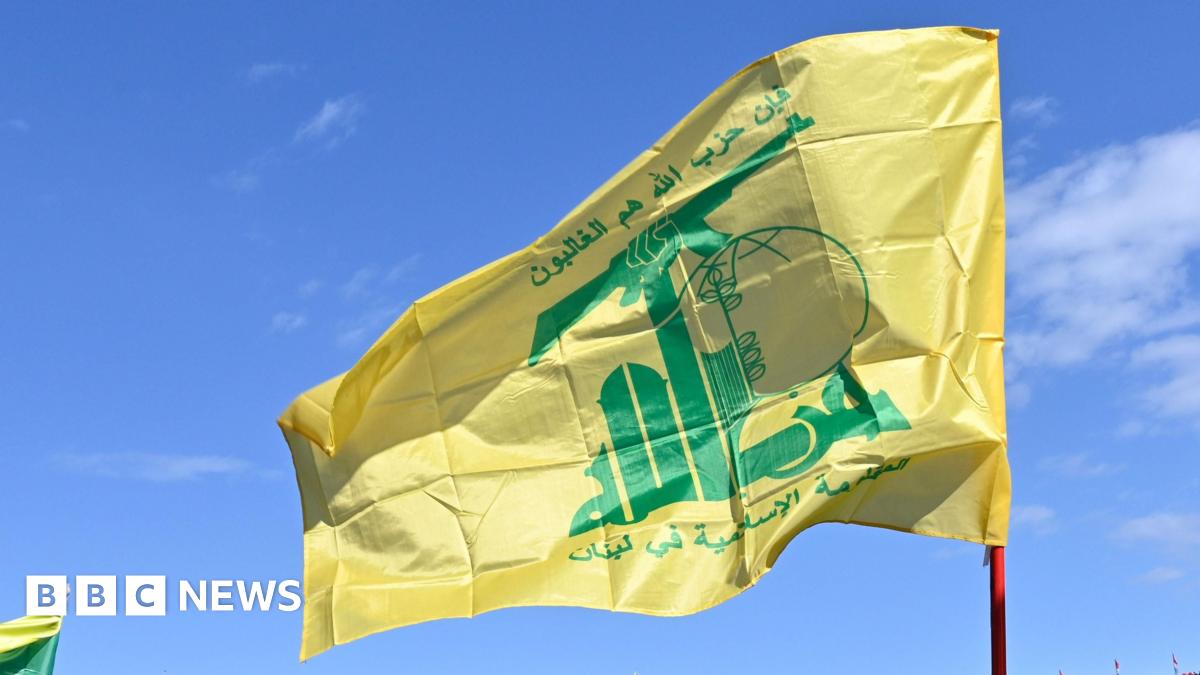
Hezbollah is a Shia Muslim political and military group in Lebanon, which has strong backing from Iran. It has previously declared that its confrontation with Israel “should only end when it [Israel] has been removed from existence”.
The group is considered a terrorist organisation by Israel and many other nations, including the UK and US.