

Friday evening is rarely a time chosen to release news a government wants to be questioned about, or media outlets to pore over. And so it was that at a little after 8pm on February 20 we learned that the new NHS-backed trial of puberty blockers in gender-questioning children had been paused. The Medicines and Healthcare products Regulatory Agency (MHRA) is no longer satisfied the proposed research is safe. It has asked the trial team to look again at the study and make changes.
When, in November, researchers from King’s College London (KCL) announced they had the necessary regulatory and ethical approvals to begin new research into puberty blockers, the short-lived consensus that had emerged after the Cass Review evaporated. Dr — now Baroness — Hilary Cass’s four-year inquiry into NHS youth gender services painted a shameful picture of what had taken place at the now-closed gender identity development service (Gids) at the Tavistock in north London. All under the eye of NHS England, politicians and healthcare regulators. Youth gender medicine was “an area of remarkably weak evidence,” Cass said. There was “no good evidence on the long-term outcomes of interventions to manage gender-related distress”.
Among the most damning of her observations, though, was that the NHS had allowed the routine prescribing of puberty-blocking drugs to gender-distressed children for a decade, without any robust data to support that decision. Going forward, Cass recommended these drugs only be made available as part of a research programme.
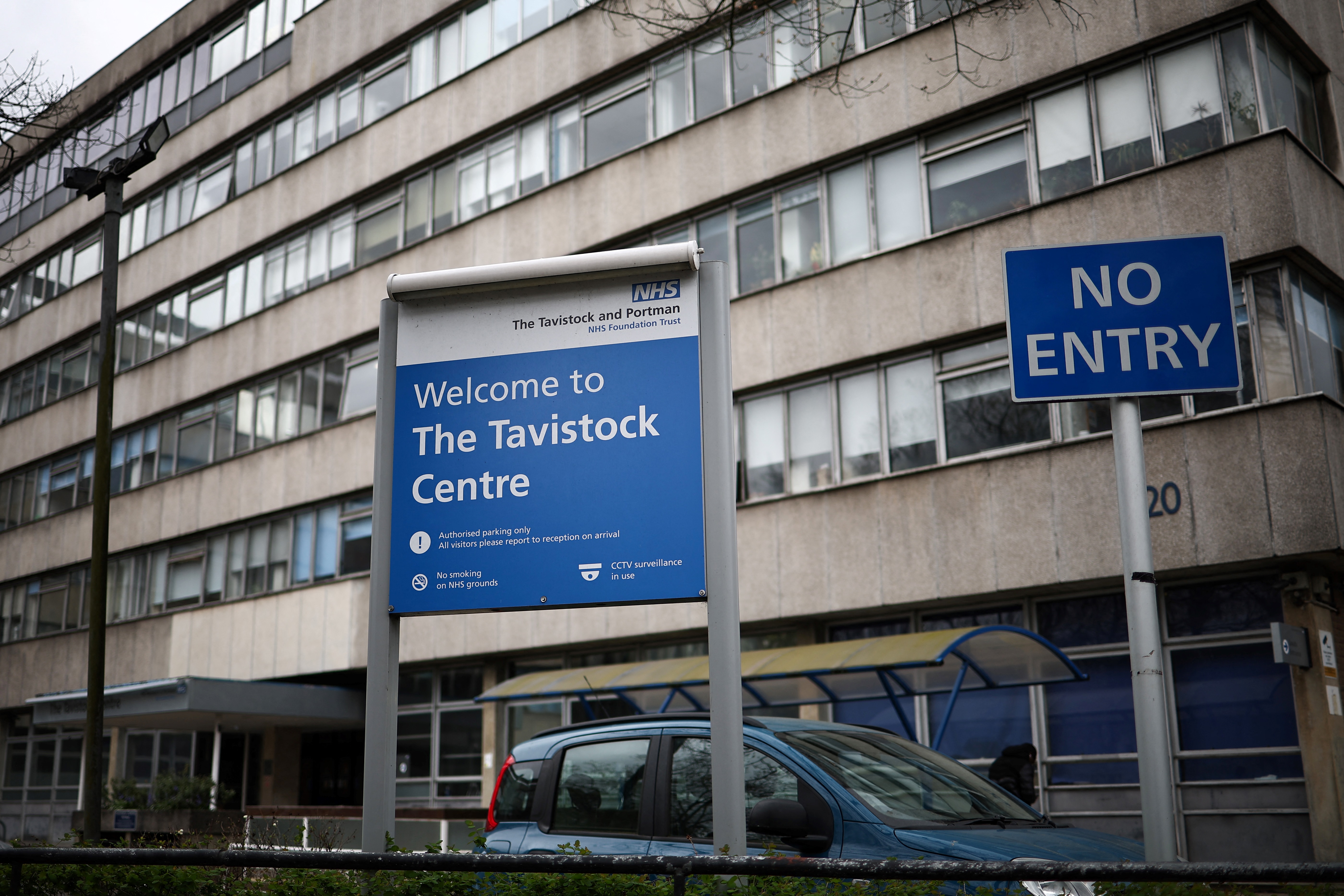
Tavistock Gids closed in 2024 after a damning review by Dr Hilary Cass
HENRY NICHOLLS/AFP/GETTY IMAGES
As soon as the details of that trial emerged, it was clear it would not achieve what had been intended: plugging the gaps in the weak evidence base, especially long-term outcomes. As I wrote at length for the New Statesman, the trial seemed to ignore — or flatly contradict — much of what was contained elsewhere in Cass’s 2024 review. It could not explain how it could identify the small number of children who might benefit from the drugs (Cass acknowledged there was no reliable predictor), and was using a rationale that Cass found “no evidence” to support: that puberty blockers brought children “time to think” about their gender identity. In fact, the study wasn’t really looking at the impact of puberty blockers per se at all. It compared children who received them immediately with others who received them a year later.
Perhaps the most surprising omission from the protocol, was acknowledgment that puberty blockers are highly unlikely to be a standalone treatment. Rather, they are part of a pathway towards medical transition. And with that comes a very real risk of infertility. There is no evidence that blockers on their own impact fertility (partly because so few children have come off the drugs, and gender clinics haven’t bothered to try to find them). But worldwide studies show in excess of 90 per cent of those who commence treatment with puberty blockers continue on to masculinising or feminising hormones. Early puberty blockade followed immediately by hormones means there is no opportunity for children’s eggs or sperm to mature.
The MHRA — which approved this trial in the first place — has now acknowledged these points, and more. “The expected effects of the drugs include the sterilising effect of puberty blockers followed by cross sex hormones,” the regulator said unequivocally in a letter to KCL. Treatment with puberty blockers beyond a year could “result in persistent and potentially permanent bone structural change,” it added. A government spokesperson described the MHRA’s intervention as raising “new concerns — directly related to the wellbeing of children and young”.
Let’s be clear, these concerns are not “new”. They have been raised in recent months by concerned medics, ethicists, clinicians and journalists. And they have been known for years.
However, there are some amongst the trial’s critics who would now caution against talk of U-turns, or heated criticism of politicians and the regulator. This development, they say, is an example of scientific scrutiny working. They have listened and taken action.
The changes proposed by the MHRA should not be underestimated. The regulator is seeking to amend almost every aspect of the trial, including having a minimum age requirement of 14; who can take part; how young people are monitored; criteria for exiting the trial; how a positive outcome will be assessed, and a strengthening of consent processes.
The implications of this are profound. Blocking early puberty, the MHRA says, risks sterilising children and is unethical. But what remains is a trial purporting to analyse the effectiveness of blocking puberty to treat gender-related distress which only studies participants who have already gone through puberty (at least for girls). It is highly questionable whether such a study could tell us anything useful — and therefore might also be unethical. It would be loathed by those who support the medical transitioning of children, too.
The past few months have felt like Groundhog Day. I have seen many of the Tavistock-era arguments rehashed in new post-Cass colours. The study has been through rigorous ethical checks; children will go abroad or to private providers if they can’t get puberty blockers on the NHS; a control group who don’t get blockers is impossible; the drugs simply provide time to think. But the phrase I am reminded of now is from the founder of Gids, Domenico Di Ceglie, as he reflected on the decision to first give puberty blockers to younger children. “Some people felt that the service had gone too far … while others felt that Gids had not responded quickly enough.”
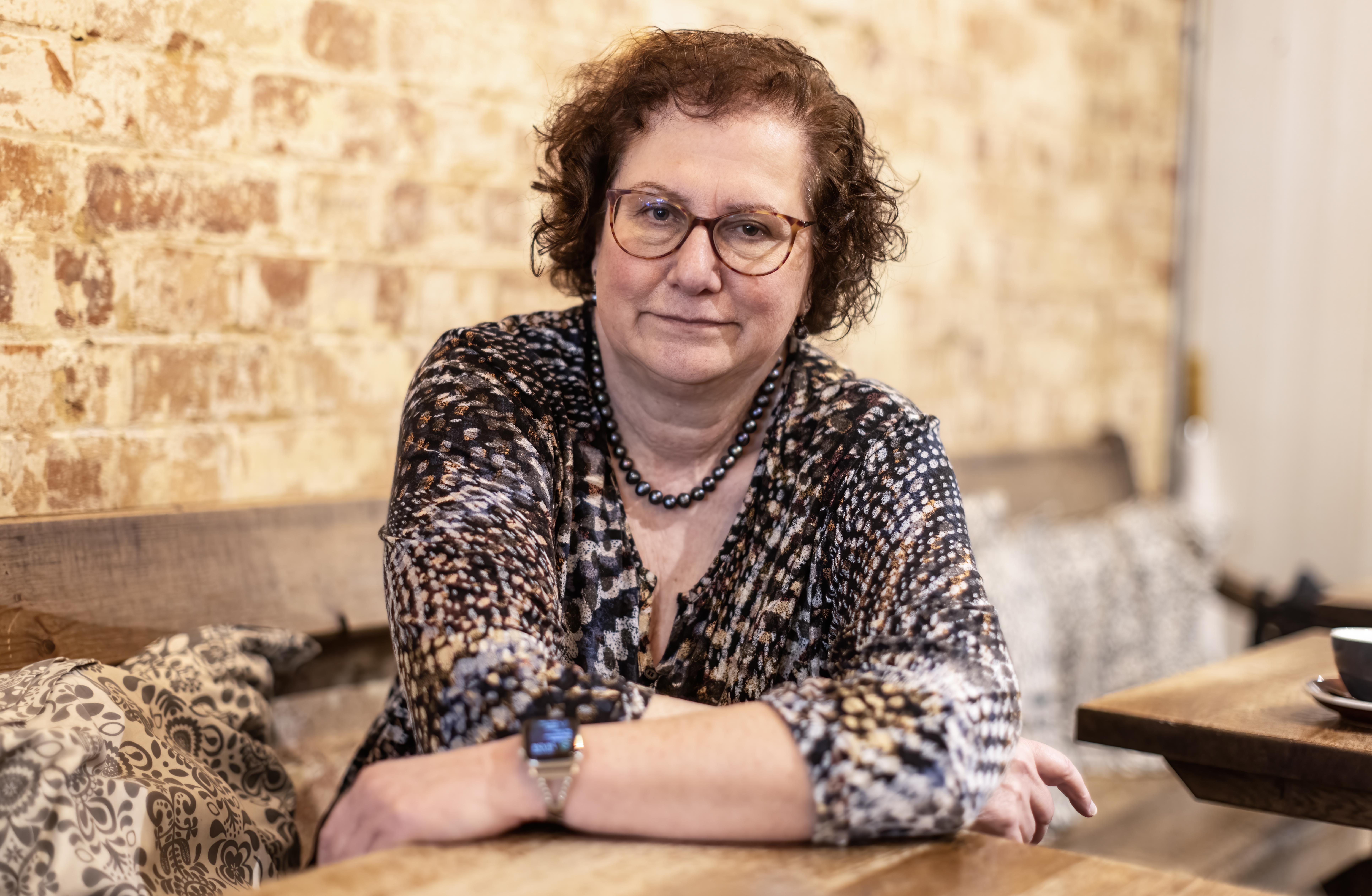
Cass’s four-year inquiry into NHS youth gender services painted a shameful picture
THE SUNDAY TIMES PHOTOGRAPHER RICHARD POHLE
In February 2026, it feels like we are there again. With a potential “solution” that satisfies no one. Perhaps, when the MHRA meets with the KCL research team this week, they will stumble upon one. Or perhaps they will find that on this thorniest of issues, there might be no middle ground.