
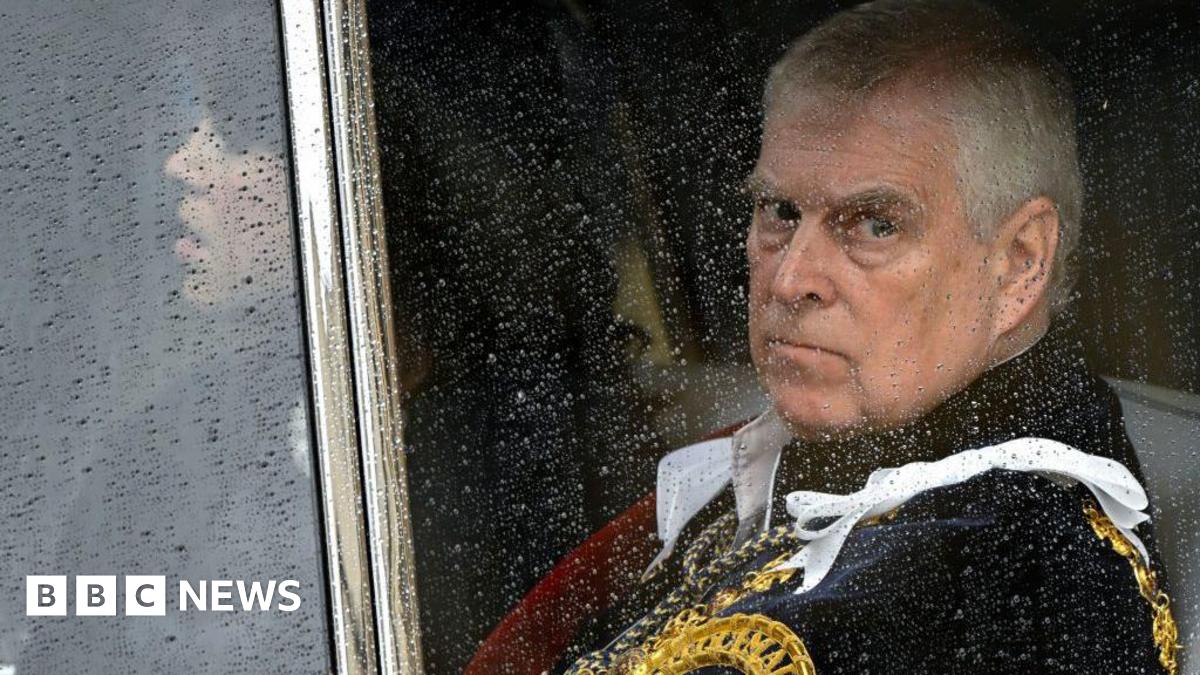
The former prince was released under investigation 11 hours after his arrest by Thames Valley Police.
Removing Andrew from the line of succession would require an act of Parliament supported by the 14 Commonwealth countries where King Charles III, his brother, is head of state, including Australia.
Albanese’s letter reads: “Dear Prime Minister Starmer, in light of recent events concerning Andrew Mountbatten-Windsor, I am writing to confirm that my government would agree to any proposal to remove him from the line of royal succession.
“I agree with His Majesty that the law must now take its full course and there must be a full, fair and proper investigation.
“These are grave allegations and Australians take them seriously.”
Speaking after his brother Andrew’s arrest, King Charles had said: “What now follows is the full, fair and proper process by which this issue is investigated in the appropriate manner and by the appropriate authorities.”
A spokesman for the UK prime minister confirmed the letter had been received and said the government was “considering whether further steps are required in relation to Andrew Mountbatten-Windsor”. He said they were “not ruling anything out”.
“Given the ongoing police investigation it would not be appropriate for the government to comment further at this stage.”
Removing Andrew from the line of succession would require an act of Parliament approved by MPs and peers, and would come into effect when given royal assent by the King.
Canada, Jamaica and New Zealand are among the Commonwealth countries who would also need to support it.
The last time someone was removed from the line of succession by an act of Parliament was in 1936, when the former Edward VIII and his descendants were removed due to his abdication.