
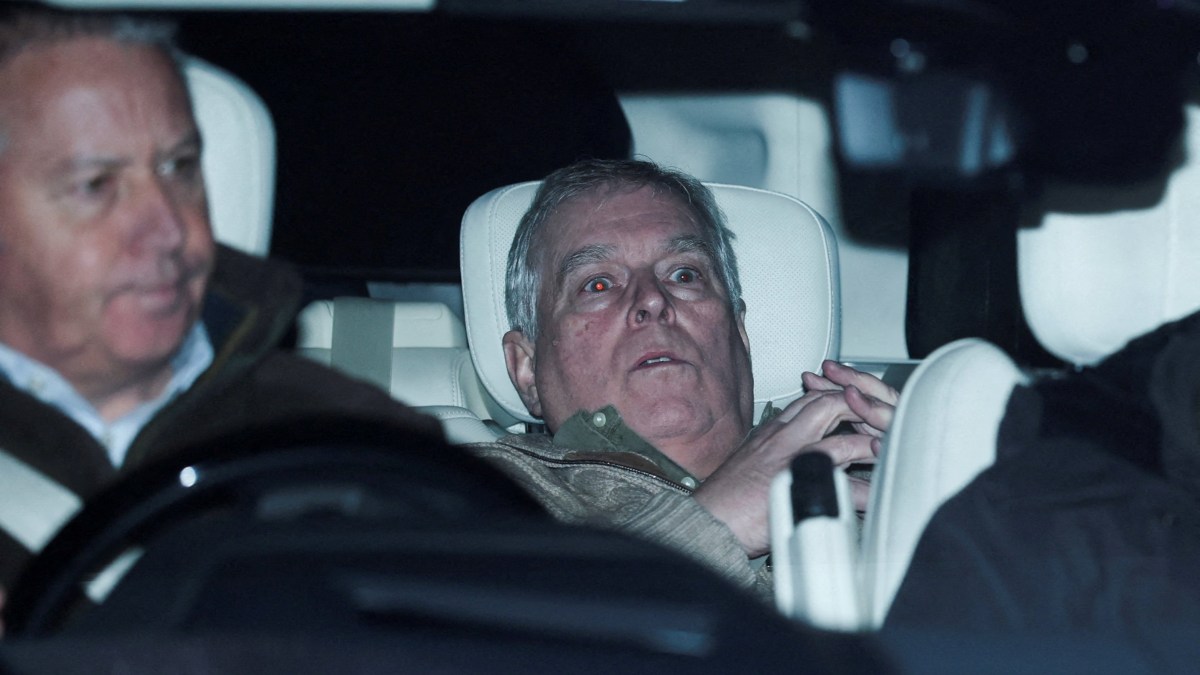
The Liberal Democrats will attempt to force the government to release all documents relating to Andrew Mountbatten-Windsor’s appointment as a trade envoy.
The party will use its opposition day debate to table a humble address calling for the “release of papers relating to his appointment as special representative for trade and investment”. The party will also demand that the documents include those related to his vetting.
The scope of the motion will include the release of any correspondence from Peter Mandelson to relevant government departments or individuals relating to the appointment of Andrew as trade envoy in 2001. At the time Mandelson was a key adviser to Tony Blair, then prime minister.
Sir Ed Davey, the leader of the Lib Dems, said the public was demanding to know how Andrew was appointed to “represent our nation in a high-level trade role”.
He said: “The Liberal Democrats are moving a binding motion to force the government to come clean. We need to see the vetting files, the due diligence reports and the correspondence to understand how this appointment came to be, and whether glaring warning signs were missed.
“There’s also a much broader principle at stake here. No one, regardless of their title or their friends, should be beyond the scrutiny of parliament. It is time to end the age of impunity, scrap rules that stifle scrutiny or debate, and ensure that everyone in public office — no matter how powerful — can be held properly to account.”
A humble address is a message to the King and can be used to call for papers from departments. If agreed by MPs, they are understood to be binding.
MPs will be told they are free to debate the conduct of Andrew and his relationship with the paedophile Jeffrey Epstein in the Commons.
Sir Lindsay Hoyle, the Speaker, is expected to say they can discuss Andrew because he has been stripped of his royal titles, meaning the usual convention does not apply.
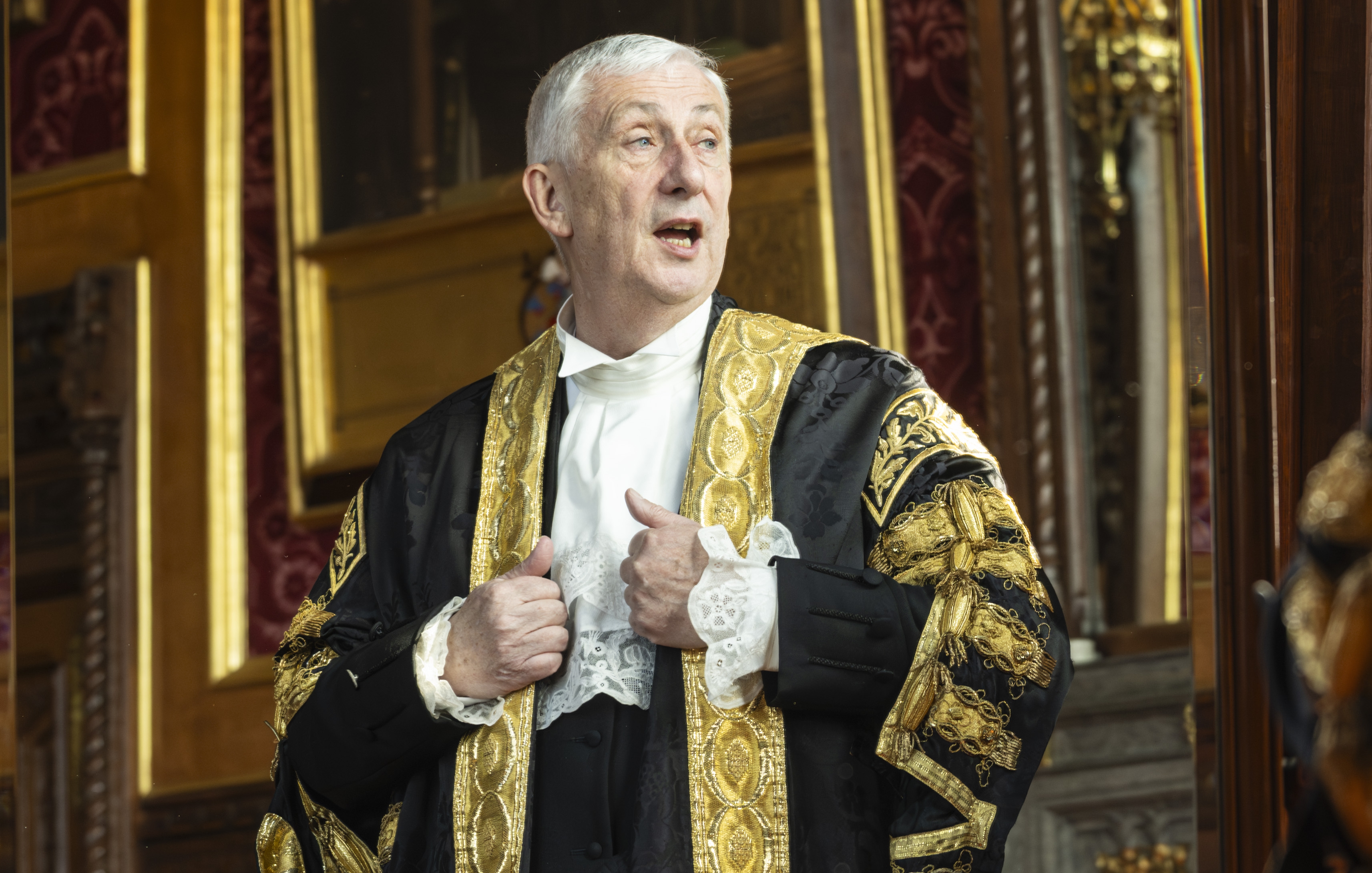
Sir Lindsay Hoyle, the Speaker of the House of Commons
PA
MPs will be told, however, to refrain from discussing other members of the royal family.
They will also be told to be wary of prejudicing any possible legal proceedings. Andrew was arrested on Thursday on suspicion of misconduct in public office and released under investigation.
Thames Valley police announced a full inquiry into allegations that Andrew leaked information to Epstein when he was a trade envoy and had a duty of confidentiality.
According to emails released by the US Department of Justice, Andrew appears to have forwarded to Epstein official reports of trips to Singapore, Hong Kong and Vietnam in 2010 and 2011.
The offence of misconduct in public office carries a maximum sentence of life imprisonment. Andrew has always denied wrongdoing.
MPs have raised concerns that they would be prohibited from discussing an issue of constitutional significance by antiquated parliamentary rules.
Erskine May, the bible of parliamentary procedure which dates back to 1844, states: “No question can be put which brings the name of the sovereign or the influence of the crown directly before parliament, or which casts reflections upon the sovereign or the royal family … questions are, however, allowed on such matters as the costs to public funds of royal events and royal palaces.”
It adds that “reflections must not be cast in debate upon the conduct of the sovereign, the heir to the throne, or other members of the royal family”.
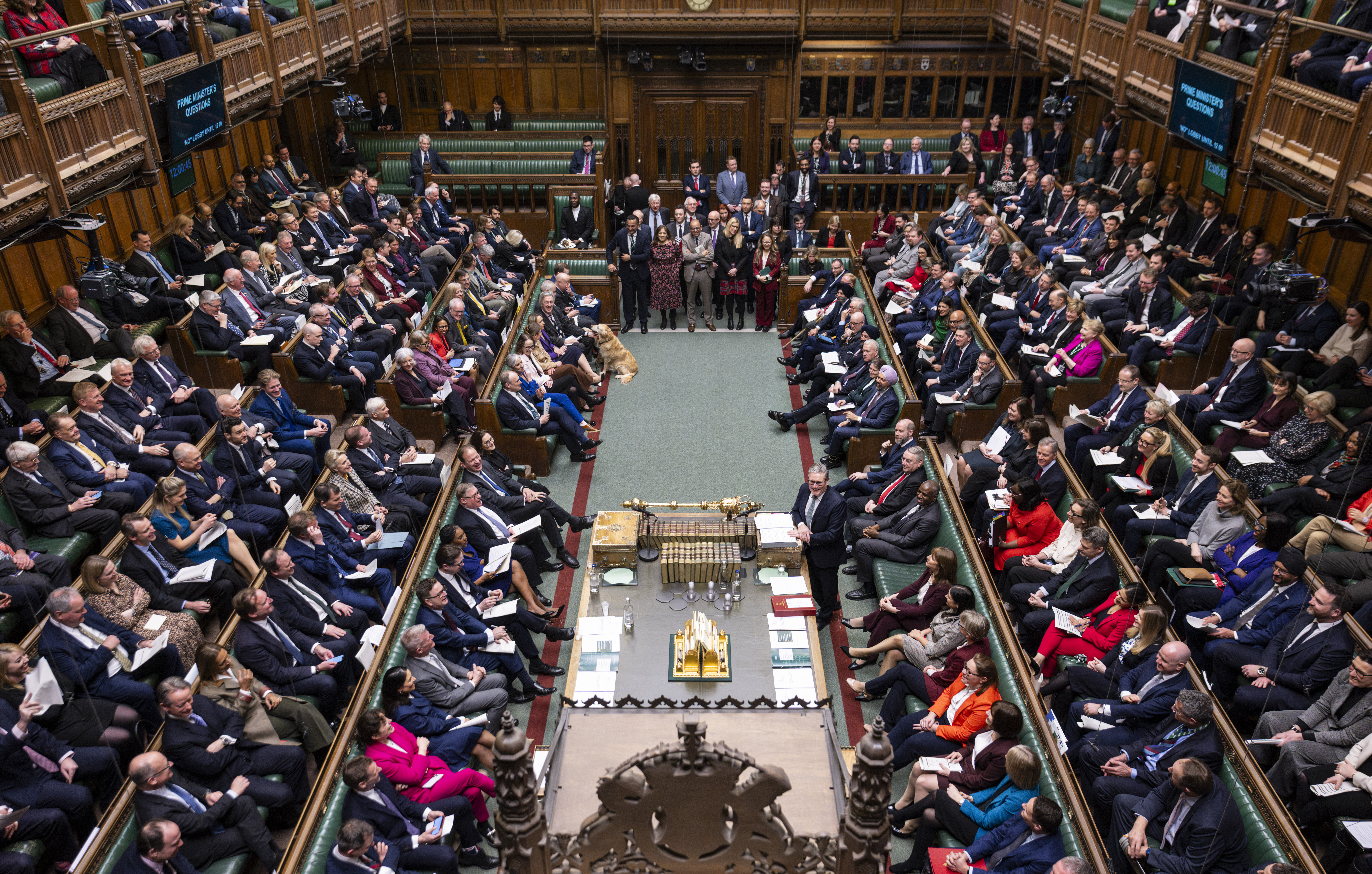
Discussions about active royals are forbidden in the Commons
PA
Opposition day debates offer one of the few mechanisms to permit such scrutiny. They allow “critical language of a kind which would not be allowed in speeches in debate”, according to Erskine May.
Tom Tugendhat, a Tory MP and former minister, raised concerns that Andrew risked being “beyond debate”. He said: “The point of Erskine May is a real one. People who can’t answer back shouldn’t be impugned. That’s a perfectly valid principle but this is different.
“He has been kicked out of the royal family. You don’t want to be in a position where an individual like Andrew can use the resources of the state and it’s beyond debate.
“It’s clearly absurd not to be able to discuss in parliament the constitutional future of our country when it’s being called into question by the actions of individuals just because they would usually be protected from debate. When those situations change, parliament has to change with it.”
Hoyle made clear during a debate last week that Andrew was a “completely different matter” when an MP raised the issue of whether legislation should be passed to remove him from the line of succession.
Simon Hoare, a Tory MP, referred the matter to Hoyle: “We usually prefer for matters relating to those sorts of things not to be dealt with on the floor of the House.”
Hoyle responded: “To help the House, let me say that because this now relates to a person who is not a [working] member of the royal family, the situation is completely different.”
Australia’s prime minister, Anthony Albanese, has said he would back any plan to remove Andrew from the line of succession.
The government will consider introducing such legislation once police have concluded their investigation into the King’s brother, while any changes to the line of succession would require the agreement of other countries which share the monarch, including Australia, Canada and Jamaica.
In a letter to Sir Keir Starmer, Albanese said: “In light of recent events concerning Andrew Mountbatten-Windsor, I am writing to confirm that my government would agree to any proposal to remove him from the line of royal succession.
“I agree with His Majesty that the law must now take its full course and there must be a full, fair and proper investigation.
“These are grave allegations and Australians take them seriously.”